
Very true crime 📚 Wir waren heute für euch im Historisches Archiv mit Rheinischem Bildarchiv (Stadt-Archiv) und haben einen krassen, alten Kriminalfall für euch aus den Akten gesucht 📲 Leider geht es auch um Folter, vor allem aber filmreife Familien-Verstrickungen, die leider mit mehreren Toten beginnen & enden. Die umfangreichen Akten im Archiv ergeben ein interessantes Bild der Vorfälle, es bleibt aber noch viel Raum für eure Hinweise. Herzlich: Euer Team des Historischen Archives nebst Star-Gästin Dr. Helen 📙 sowie Kriminal-Akten-Pate Dr. Mark Benecke
Drei Tote im Kölner Stadt-Archiv: Der Fall Weinsberg 💀


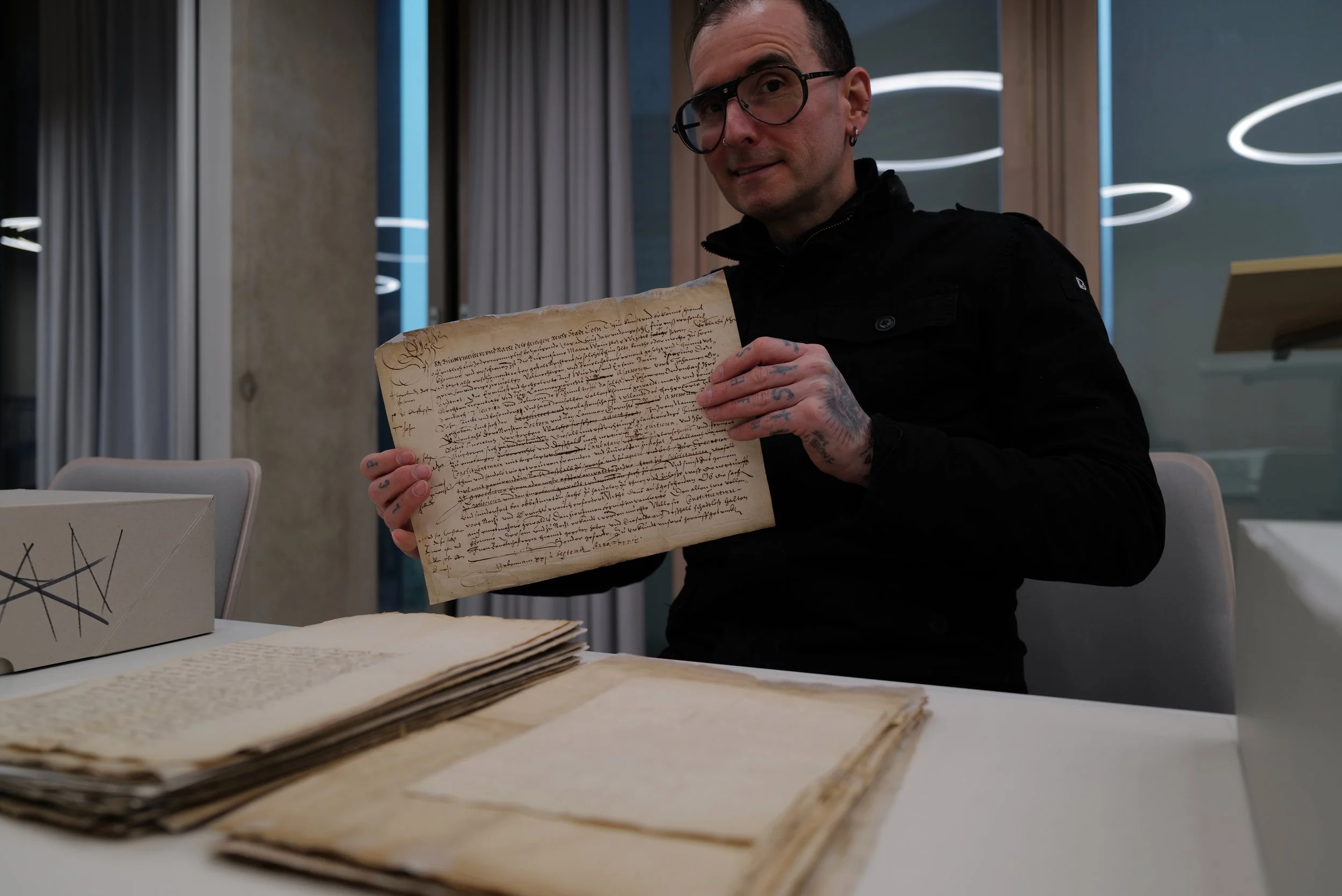


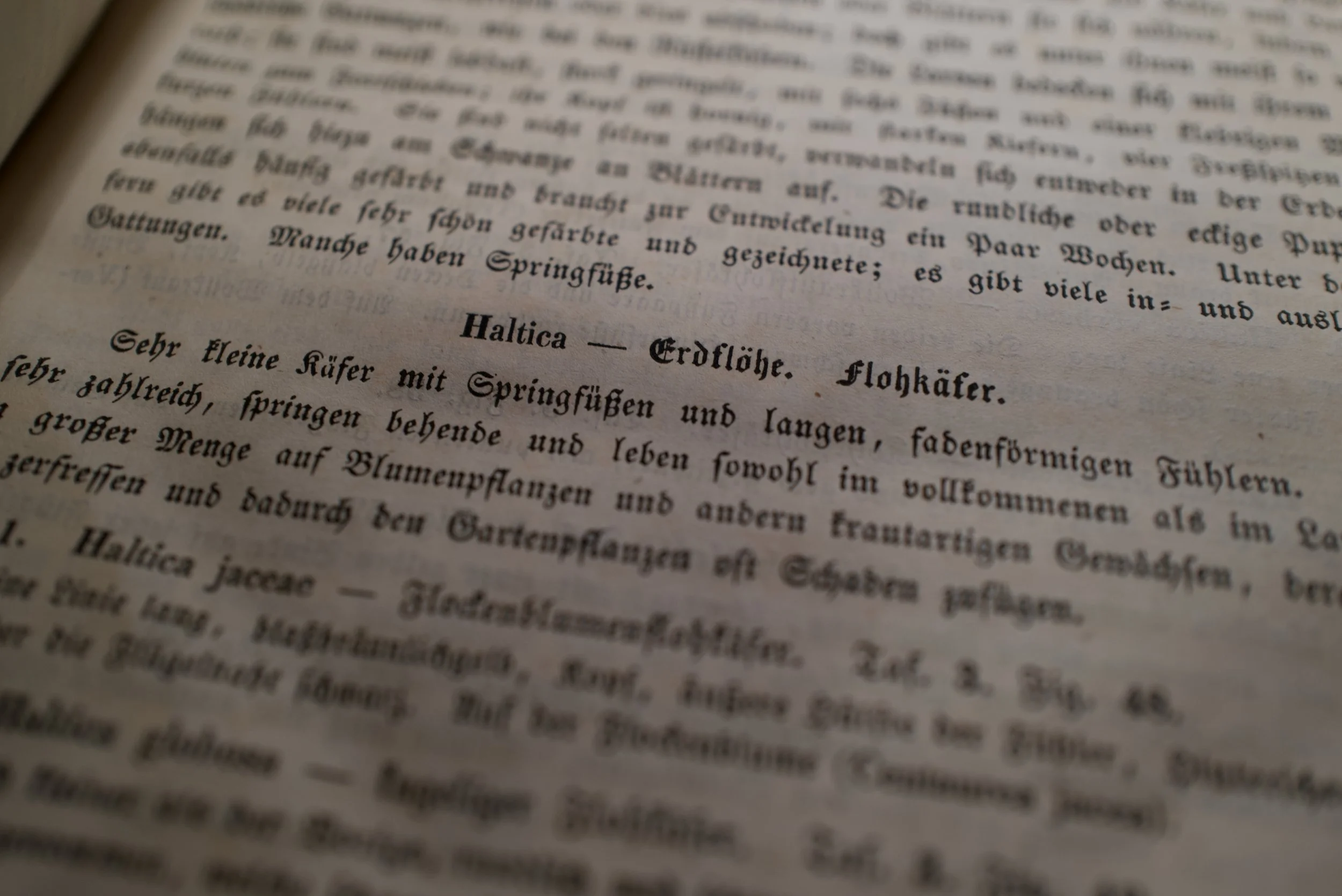


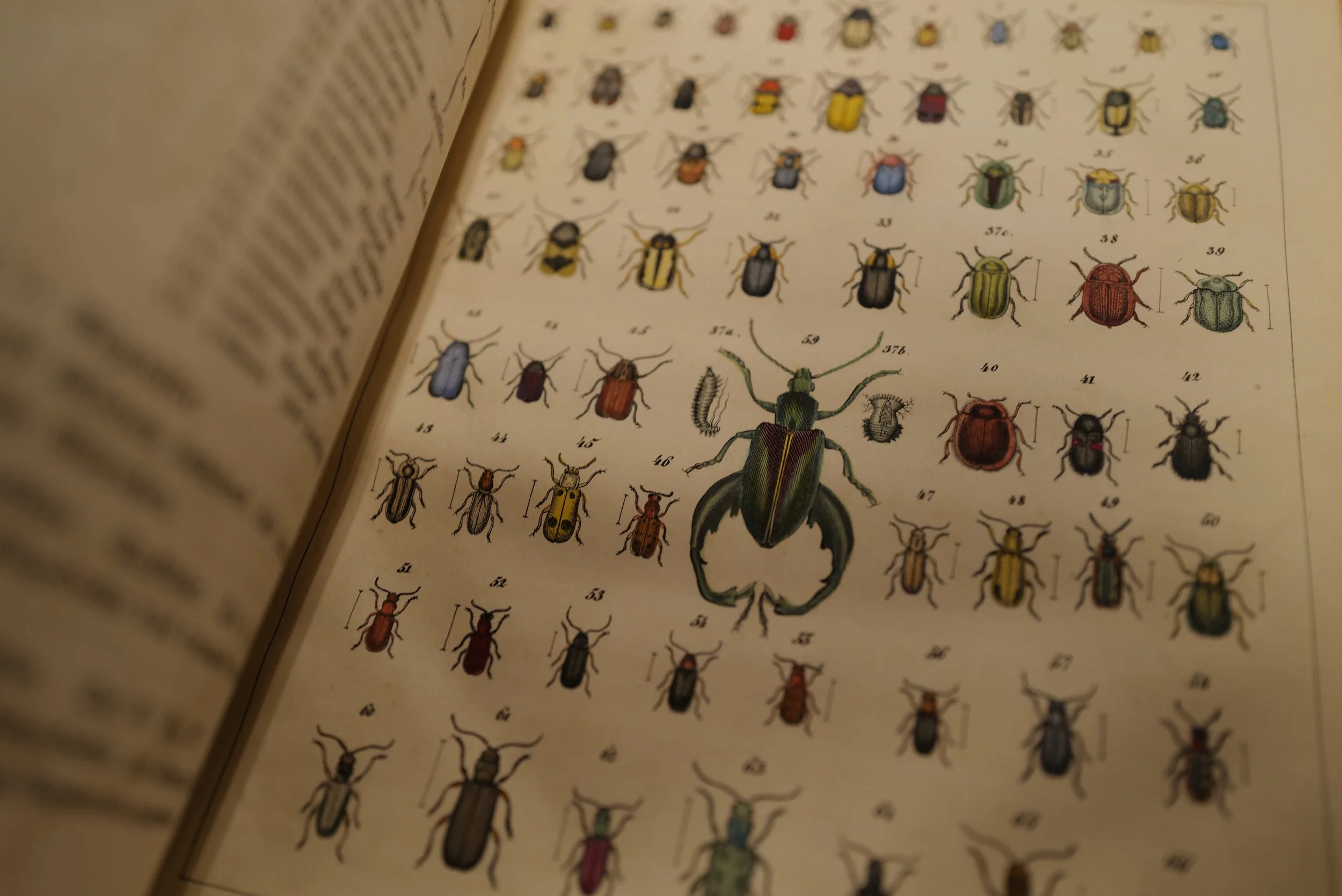
Das restaurierte Käfer-Paten-Buch (UB Köln) nebst Berufs-Beratung 'Papier-Restauratorin' 📜
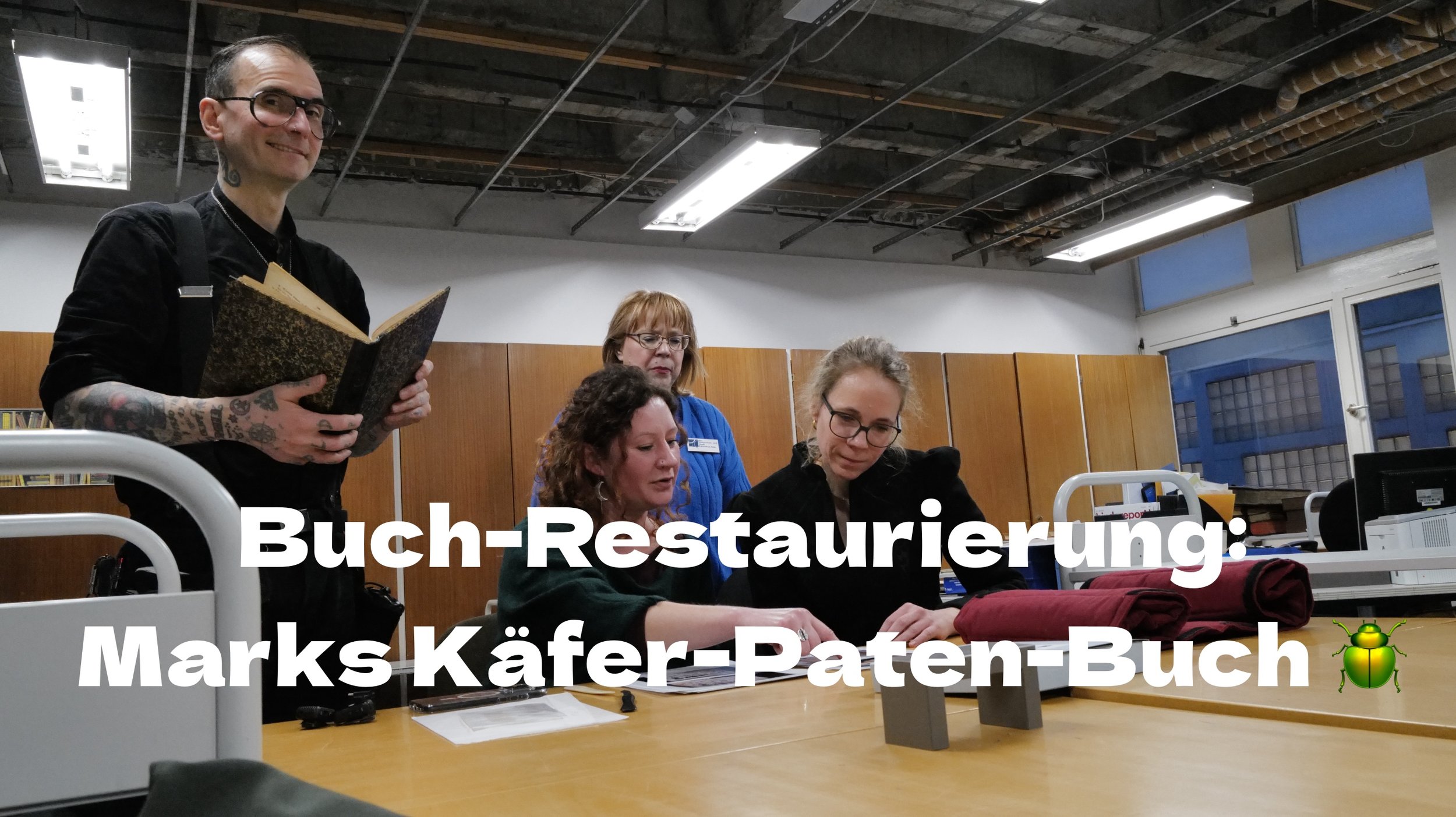
Neues Video: Die coole Buch-Restauratorin, welche mein Paten-Buch über Käfer für die Universitäts- und Stadtbibliothek Köln der Universität zu Köln hergerichtet hat, hat ihren Beruf ergriffen, weil das Kölner Stadt-Archiv aka Historisches Archiv mit Rheinischem Bildarchiv einstürzte 🏠 Dr. Helen & Dr. Mark Benecke lernen beim Besuch des nun schonend, aber dauerhaft reparierten Werkes einiges über Japan-Papier, Stege hinten auf dem Buch und warum (vermutlich) Bücher nicht gegen Bären 🐻 eingesetzt werden sollten. Großen Dank an das fantastische Team der Universitäts- und Stadt-Bibliothek Köln (UB) 🪲 Nächste Mal lese ich euch etwas aus dem Buch vor 📚



Das 'Nordische Modell' (Sex-Kauf-Verbot)
Die deutsche Bundesgesundheitsministerin ist für ein Sex-Kauf-Verbot wie unter anderem in Frankfreich (seit 2016), Schweden (1999), Norwegen (2009), Kanada (2014) und Nordirland (2015), während es unter anderem in Finnland im Jahr 2006, in Dänemark 2012 sowie in England, Schottland, Spanien, der Schweiz ausdrücklich abgelehnt wurde. Mark fragt Sex-Arbeiterin Jay und drei Kunden nach ihren Erfahrungen und Meinungen jenseits von Zwang.
Karneval für alle: Mit Dreigestirn im Vringstreff (2026)
Eine der eindrucksvollsten Karnevals-Veranstaltungen in Köln ist das jährliche Treffen im Vrings-Treff 🎉
Dort kommt nicht nur das Dreigestirn und damit die wichtigsten Personen in Köln zum Singen vorbei, sondern es treffen sich vor allem Menschen mit sehr wenig Geld mit Menschen, die Unterstützung anbieten sowie ein wildes Mischmasch (Jewöhl), das gemeinsam isst, trinkt (kein Alkohol), schunkelt und lacht.
Ganz dickes Kompliment auch an das Dreigestirn, welches dieses Jahr richtig viel Geld für einen besonders guten Zweck sammelt ✌🏻
Mit Liedern & Teilen von Peter Brings, den Bläck Fööss und den Höhnern sowie Richard Bargel & dem Strassenmagazin Draussenseiter nebst der Stunksitzung
Serial killer: a forensic perspective
Source: Catalogue: Introduction to the Serial Killer Expo, Atlanta (2026) (klick for .pdf)
Translated from the German Catalogue to the Serial Killer Exhibit in Berlin (2025)
by Mark Benecke
Serial killers—women and men alike—have lost a healthy sense of their environment. They are alone, but never insane. They can be lucid and sincere about what they believe they want—both with themselves and with others. But antisocial personality disorders combined with a strong inner linearity: this is a lethal mixture. In the best-case scenario, such people become very good at jobs that require managing one crisis after another. In the worst case, they torture, kill, or eat (or do all three in succession) one person after another.
The victims of serial killers have often done little or nothing at all. They are sex workers, domestic workers, children, the poor, people who are deceived or who act in good faith. If we want to prevent serial murder, we therefore have to understand the perpetrators. Because people who lack malice and protection—the preferred victims of serial killers—will always exist. That side of the story could only change in a perfect world. But in the forensic field, we do not live in a sparkling fairy tale.
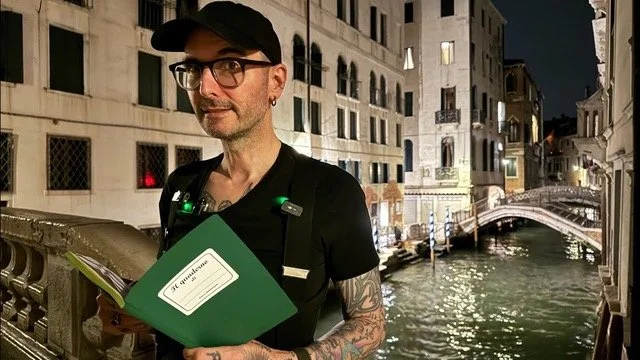
Foto: Mark Benecke
Even police officers and other professionals involved are regularly overwhelmed by the weight of these cases, although not as victims who are killed. The prosecutor in the case of my client, Luis Alfredo Garavito († 2023), responsible for the rape and murder of more than three hundred children, was so shaken during my last visit to his living room that, out of concern for his nerves, any further conversation with him became unnecessary. His last glimmer of hope was the idea that God had “entrusted” him with the terrible Garavito case. To this day, I do not know why this thought could have comforted him—especially since it cuts both ways: “his” serial killer Garavito was convinced that at the end of time, God would walk together with him—the perpetrator—through the afterlife.
How do I know this? He wrote it to me in a gold-edged Bible after being baptized as a Christian in prison. The only person to emerge with a relatively intact psychological balance was Garavito’s evangelical pastor. He had served several years in prison for cocaine trafficking and, first in his home country and later in prison in the United States, had learned that goodness and beauty are not primarily to be found here on Earth.
Foto: Mark Benecke
The police officers involved in the Garavito case initially did not believe the mothers of the missing children. Above all, they did not want to believe that the children could have been abducted in broad daylight. Later, they bitterly regretted this and never forgot it. Until the end of their careers, they tried to support the parents—but it was all in vain. Who could return a child to a mother, or restore her lost faith in justice?
Some local officers asked me whether the rural folk music of Garavito’s region might have turned him into a serial killer. This shows how long the distance still is—especially in a poor country ravaged by violence—between such superstitions and effective prevention and protection. It also recalls a long-debunked belief that video games, films, comics, or similar media trigger violence. But it is not that simple: all media can promote both good and evil. What matters are the environment and the personality of the person who consumes them.
Such misunderstandings are repeated again and again in the field of serial murder—fascinating to many, but rarely examined in depth. One example is Jeffrey Dahmer († 1994), who has once again become one of the most widely known serial killers thanks to Netflix, an excellent graphic novel created by one of his former classmates, the republication of conversations with the perpetrator, and an old book by his father. A monster, a beast, a psychopath—no doubt. And yet, when I watch interviews with him, what I see above all is a deeply sincere and calm person who has absolutely no idea how healthy, lasting relationships work. They certainly do not work by injecting drugs into someone’s skull and listening to a “partner’s” heartbeat. Even Dahmer understood that. In fact, he understood everything. And yet, to this day, there is no reliable therapy for his personality disorders.
Foto: Mark Benecke
Nothing holds these offenders back, even when they demonstrate insight. This is why new serial killers continue to appear—even when it was long believed that, thanks to forensic technology and big data, this should no longer be possible. The most unexpected example is Samuel Little († 2020). No one even realized that a long series of murders had been taking place unnoticed—yes, mostly against sex workers, and yes, in many cases it was assumed they had died from drugs or accidents.
Had people taken that horror seriously, many actions of other individuals who suffered—and still suffer—from similar attachment disorders could have been prevented. Because serial murder can be prevented: through a loving attitude toward children who might become victims or perpetrators—that is, toward all children; through open, unembarrassed conversations about love and emotional bonding; through early assessment of antisocial behavior; and through the careful examination of all bodies for traces, even when they belong to poor people, drug users, or those who have fallen to the bottom of the social ladder.
REFERENCES:
Nico Claux (2023) Russian Cannibals: Addicted to Human Flesh. Serial Pleasures eds., ISBN 979-8859149346
Janis Weißheit (2025) Encyclopedia of Criminal Cannibals. Foreword by Mark Benecke, Kirchschlager, Arnstadt, ISBN 978-3934277960
Jean Rises (2023) Real Snuff: Urban Legend or Reality? Serial Pleasures eds., ISBN 979-8858285663
Mark Benecke, Miguel Rodríguez, Anna Zabeck, Armin Mätzler (2005) Two homosexual pedophile sadistic serial killers: Jürgen Bartsch (Germany, 1946–1976) and Luis Alfredo Garavito Cubillos (Colombia, 1957– ) Minerva Medicolegale, Vol. 125 (3), pp. 153–170
Gegen Gewalt an Frauen & Mädchen (Rathenow 2026
One Billion Rising — Women on Fire — Ni una menos
14. Februar 2026 — 15:00 Uhr
Tanzdemo (Mit Gast: Dr. Mark Benecke)
Märkischer Platz, 14712 Rathenow
Gemeinsam mit allen Frauen dieser Welt Feuer und Flamme zu sein für unser gemeinsames Ziel — die Beendigung patriarchaler Gewalt.
Rathenow is Rising! – Auch wir in Rathenow sind 2026 wieder dabei.
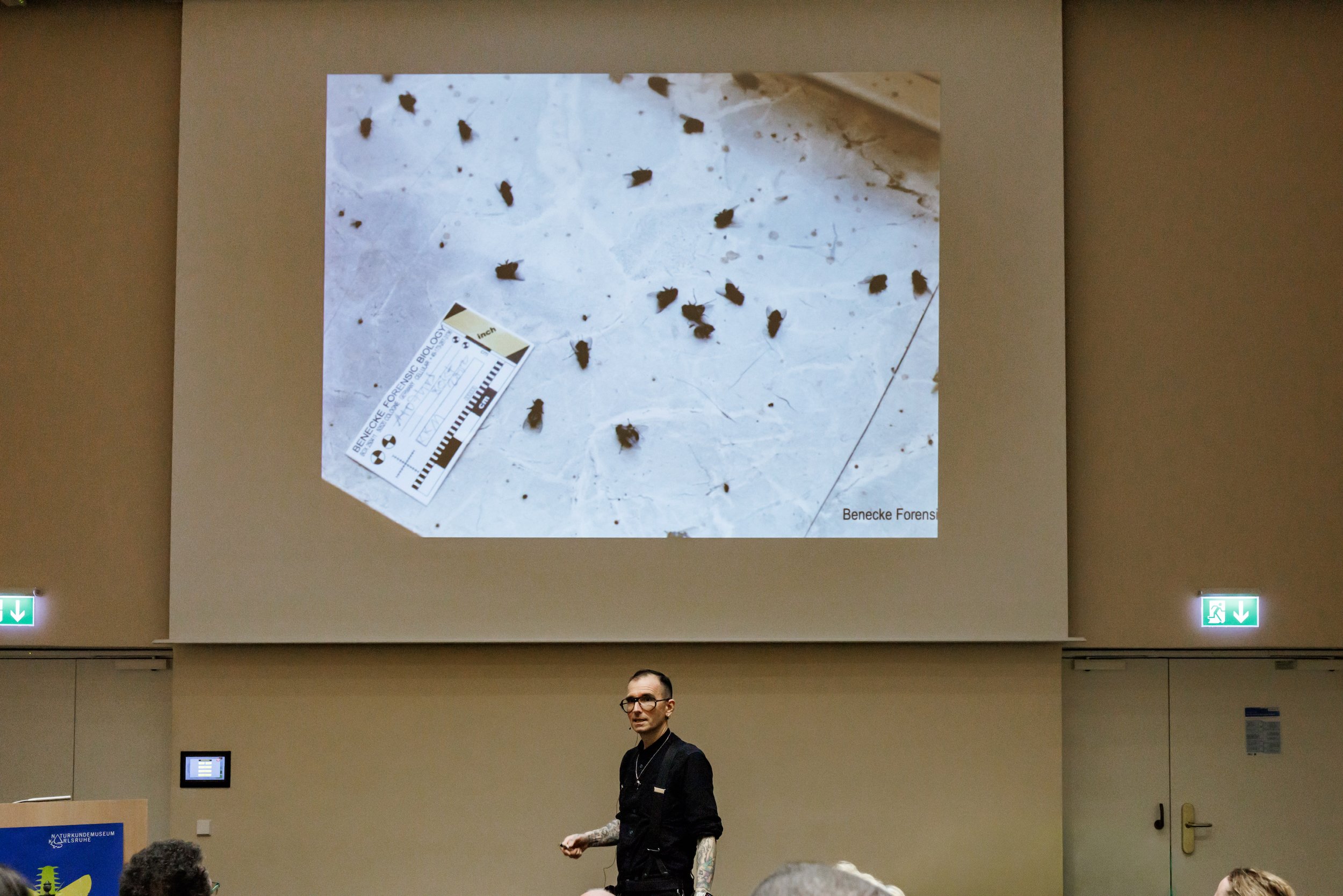
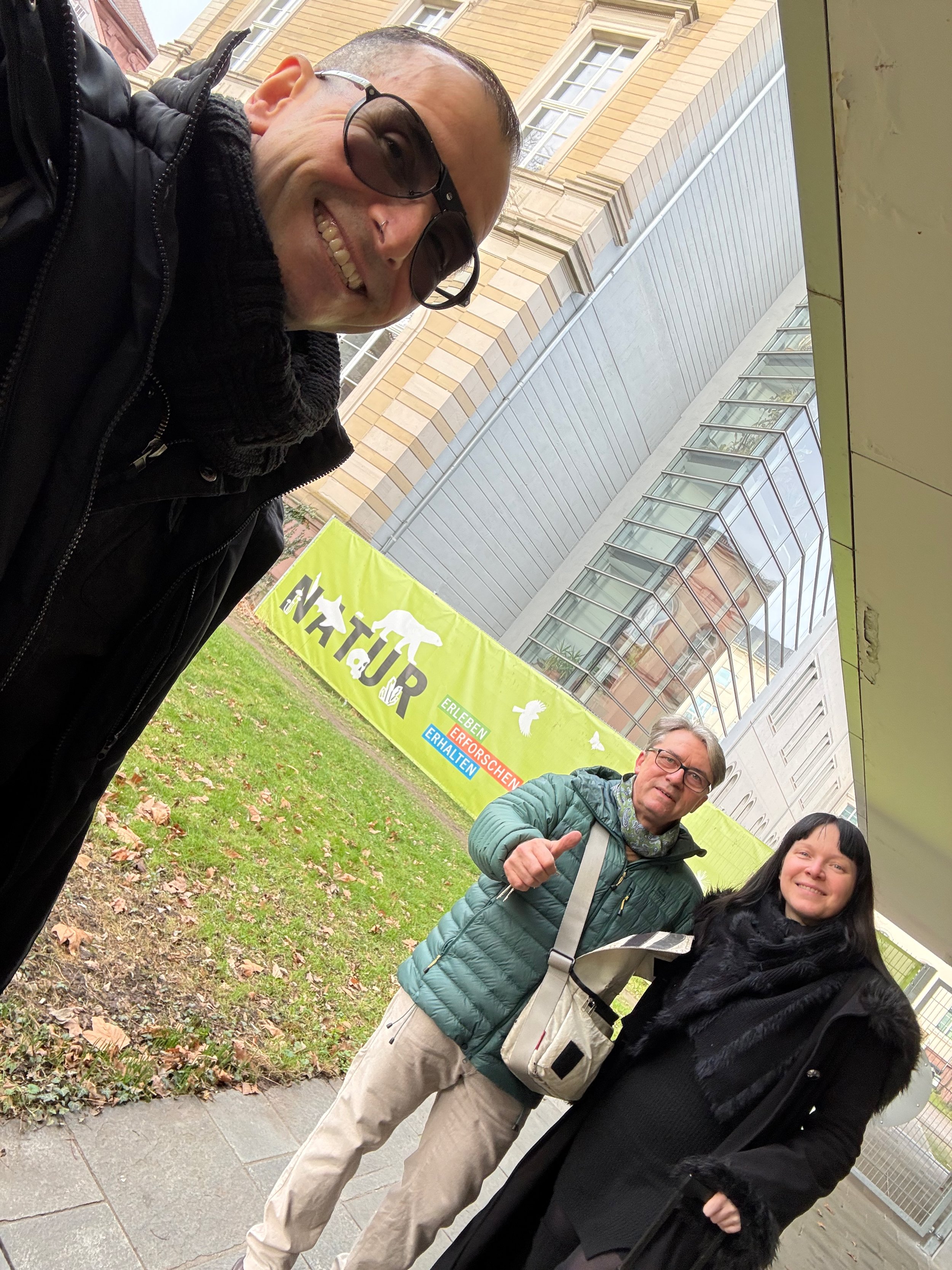
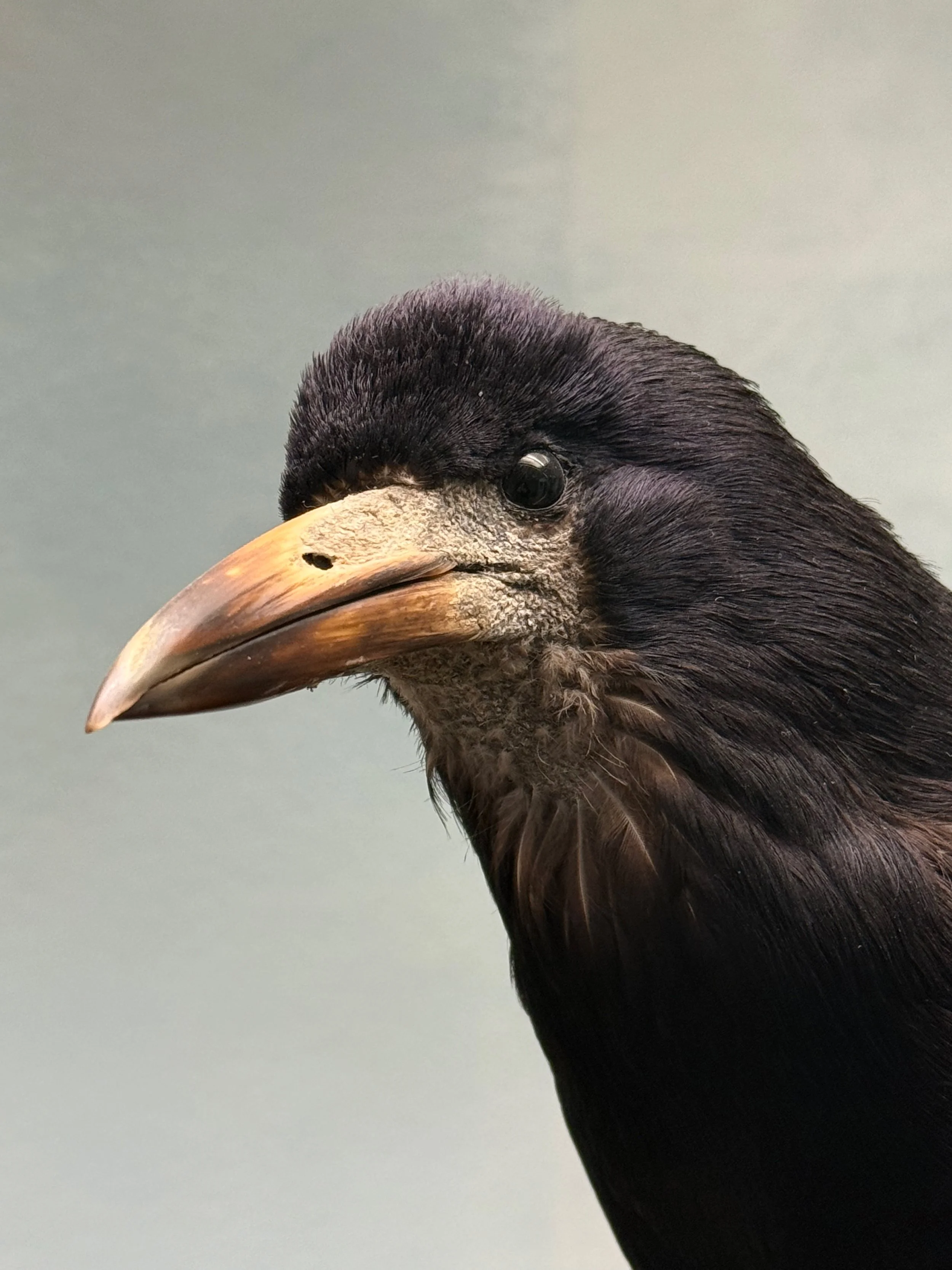
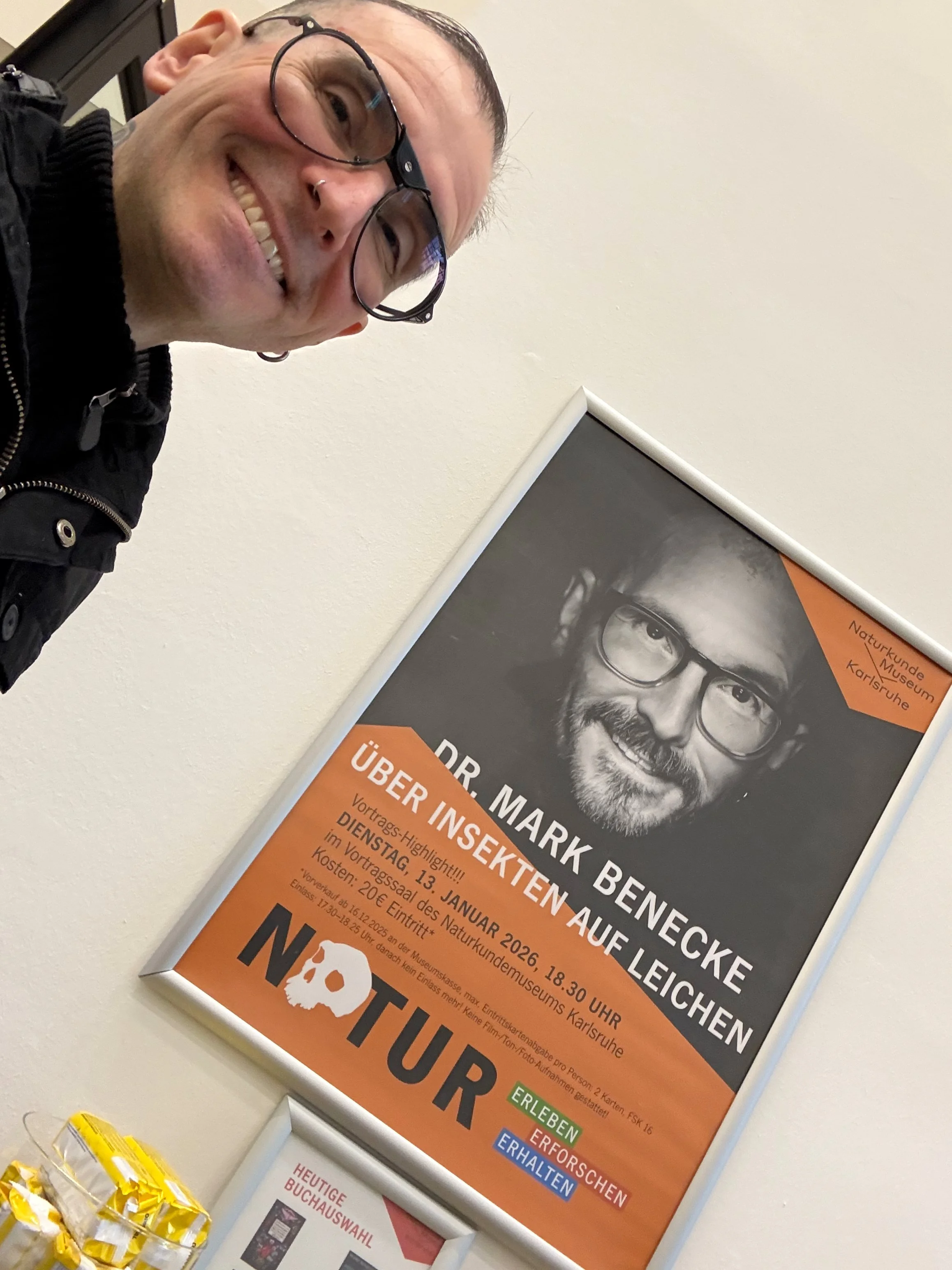
Naturkunde-Museum Karlsruhe: Insekten auf Leichen
Star-Gäste: Direktor Martin Husemann & Schmetterlings-Chef Robert Trusch
Vortrags-Reihe des Naturwissenschaftlichen Vereins Karlsruhe e.V.
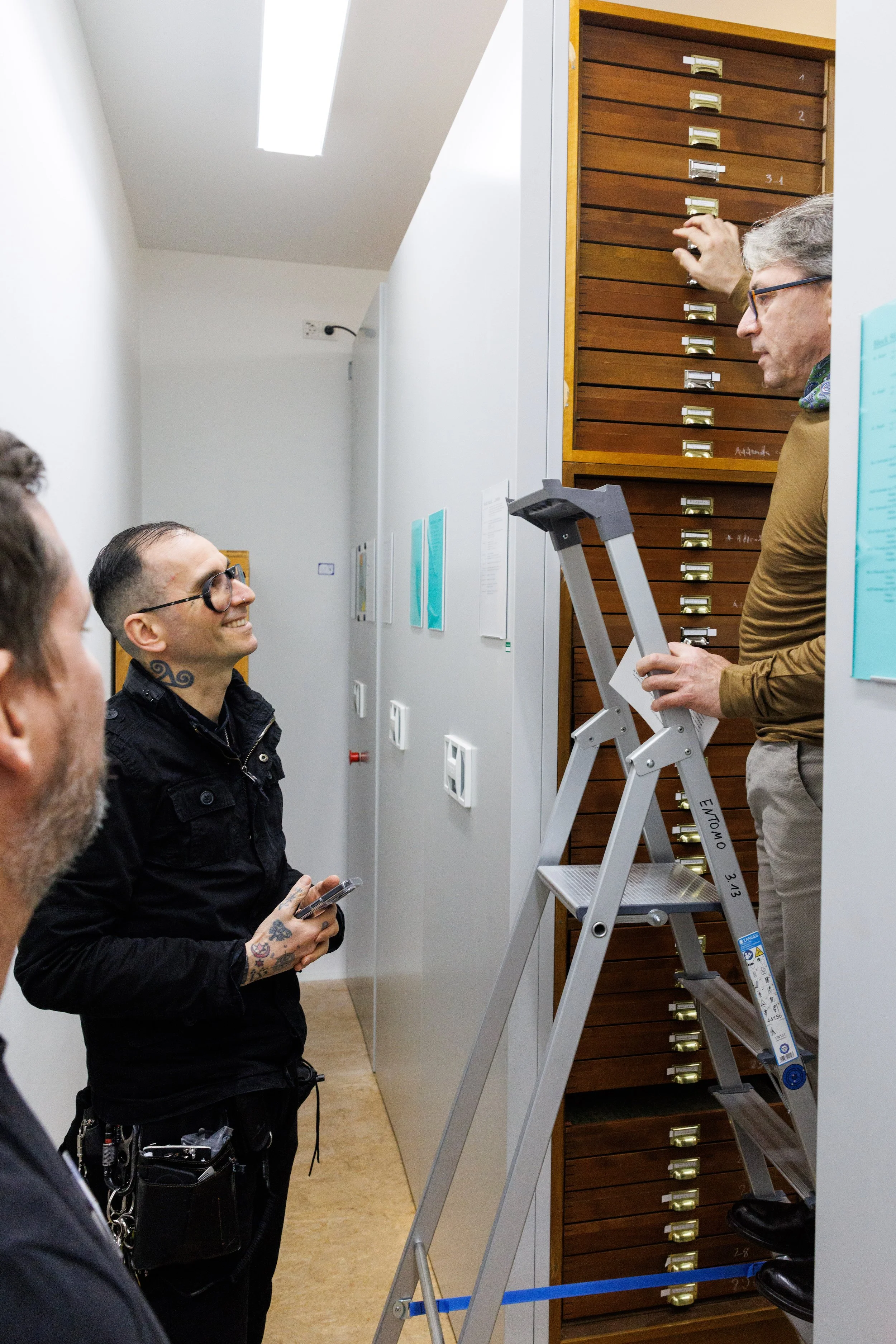
Presse-Fotos: Mathias Vielsäcker. Verwendung nur mit schriftlicher Genehmigung von Mark Benecke.











Umwelt-Schützer:innen im Knast': Post von Lasse 🍃
Mark: Lieber Lasse, du sitzt derzeit drei Wochen lang im Knast, weil du in Wuppertal für Umweltschutz auf der Straße warst. Was gibt es im Knast zu essen? Kannst du schlafen? Wie fühlst du dich?
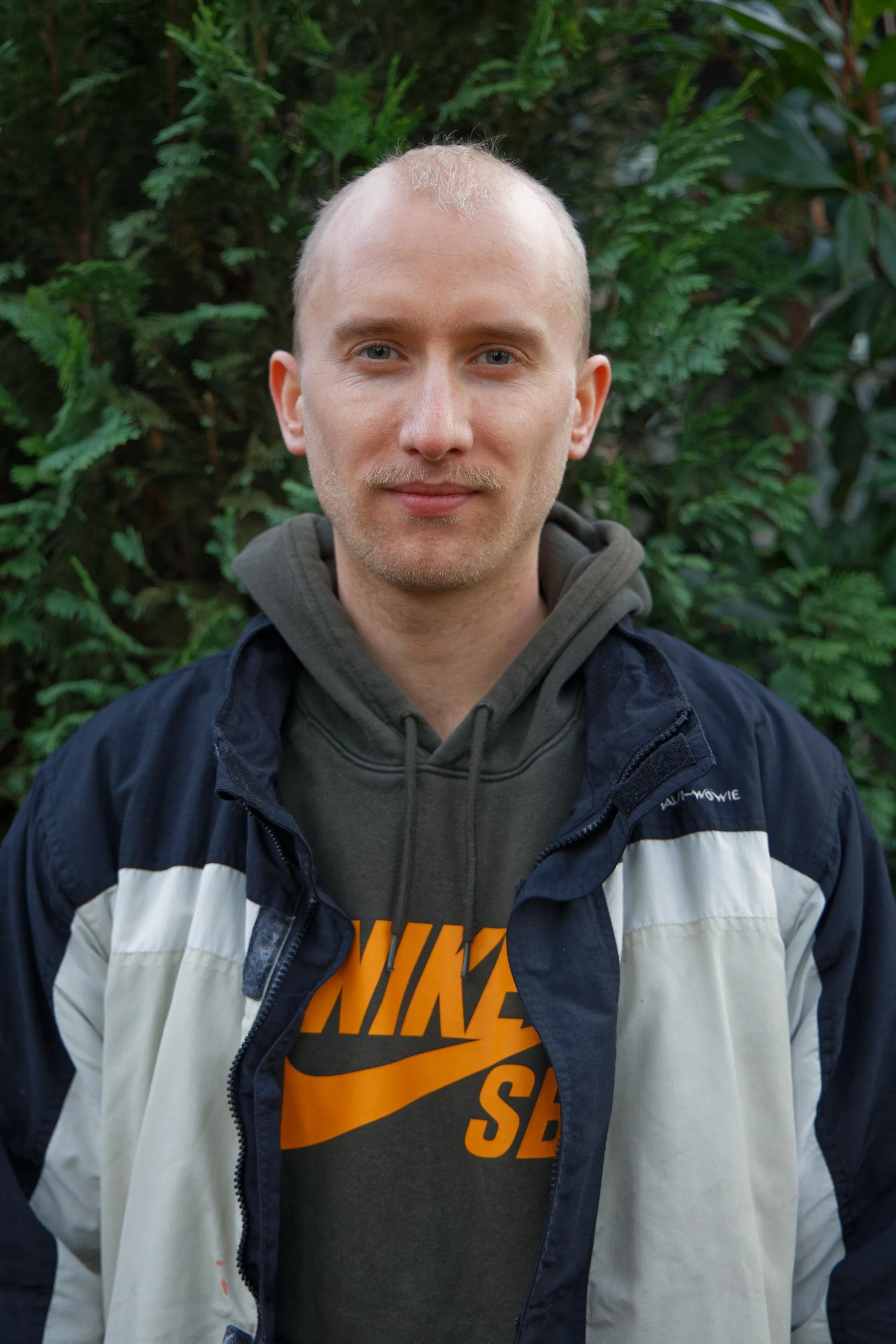
Lasse: Lieber Mark, ich bin gerade vom Hofgang zurück, sitze nun am Schreibtisch in meiner Zelle und habe jetzt Zeit, deine Fragen zu beantworten!
Also morgens und abends gibt es Brot, ich habe veganen Aufstrich und manchmal gibt es noch etwas Obst. Vor meinem Haftantritt hat mein Anwalt einen Antrag auf vegane Ernährung geschickt, ich habe das bei der Aufnahme dann nochmal mehrmals gesagt, aber uns war leider schon klar, dass eine rein vegane Ernährung vor allem auf die Kürze der Haft bezogen ein Ding der Unmöglichkeit wird, zu arrangieren. Mittags bekomme ich dann ein vegetarisches Gericht.
Anfangs habe ich zum Beispiel noch ungefragt einen Liter Milch bekommen, sowas verschenke ich dann an Mitgefangene. Letztens gab es abends veganen Thunfisch, das habe ich erstmal mit einem Freudentanz gefeiert. Ich hadere da die ganze Zeit aber mit mir selber, mich hier nicht wie draußen komplett vegan ernähren zu können. Im Allgemeinen würde ich das Essen hier leicht über Krankenhaus-Qualität stellen.
Also ich bin hier als Fehlbelegung auf meiner Abteilung 23 Stunden auf einer Einzelzelle, der Knast ist anscheinend recht voll. Da ist die Versuchung schon groß, dass ich mich mittags nochmal hinlege, dann wird das Einschlafen abends aber etwas schwierig.
Hier ist auch alles ziemlich hellhörig, manchmal schreit irgendwer rum. Ich denke, ich habe mir aber schon eine gute Tagesstruktur erarbeitet und bin dann auch müde abends. Aber ich habe wilde Träume.
Wie ich mich fühle? Also ich würde erstmal festhalten, dass es mir hier nicht so gut gehen soll, dafür wurden Gefängnisse ja geschaffen. Wusstest du, dass es zum Beispiel “einschüchternde Architektur” gibt? Ich, bevor ich mich mit Knästen befasst habe, nicht.
Das ist jetzt meine erste Haft, der erste Abend zum Beispiel war emotional schon herausfordernd. Meine Gefühlslage schwankt, ich merke auf jeden Fall, dass mich Kleinigkeiten extrem aufbauen können oder mich sehr stark runterziehen.
Letzten Endes bin ich jetzt “nur” 20 Tage hier, das finden alle ziemlich exotisch, weil die allermeisten meiner Mitgefangenen seit Jahren und noch Jahre sitzen. Ich habe ein unfassbar starkes Supportnetz da draußen, was mir den Rücken frei hält, und ich bin so gut es geht im Kontakt mit ihnen. Eigentlich jeden Tag bekomme ich einen Stapel Briefe auf meine Zelle. Ich bin so unendlich dankbar für diese ganze Solidarität, Liebe, Kraft und Gedanken, die mich hier drinnen erreichen.
Auch wenn die Gitter vor meinem Fenster, die Stacheldrähte und hohe Mauern probieren, mich von meinen Leuten da draußen zu trennen, fühle ich eine tiefe Verbundenheit zu den ganzen Menschen, die mir schreiben und an mich denken. Das entfaltet eine unfassbare Kraft und Stärke bei mir, die mich auch durch herausfordernde und schwere Momente trägt. Jetzt in diesem Moment geht es mir soweit gut!
Das Weltwirtschafts-Forum dient nach deiner Auffassung nicht den Menschen der Erde oder der "Umwelt", sondern der Wirtschaft der reichen Menschen. Dennoch ist diese reiche Gruppe eine der wenigen, die genau und ehrlich über den Klimanwandel berichtet. Wie kommt das?
Ja, diesen Menschen scheint bewusst zu sein, was abgeht, deshalb bauen sie sich auch zum Beispiel Bunker in Neuseeland. Was ihnen das hilft, wenn es aber halt nichts mehr zu essen gibt, verstehe ich ehrlich gesagt nicht. Entscheidend ist, dass sie weitermachen und ihnen ihre Gier nach immer mehr Reichtum wichtiger zu sein scheint als eine lebenswerte Zukunft für alle und dass es in Zukunft überhaupt noch höher entwickeltes Leben geben kann. Ich würde dieses Verhalten als zutiefst antisozial, gemeingefährlich und bösartig bezeichnen.
Ich muss da immer an diese Metapher von diesem greedy Affen denken, der eine Milliarde Bananen hortet, während andere Affen verhungern. Im Tierreich würden Wissenschaftler:innen untersuchen, was denn verdammt nochmal mit diesem Affen falsch gelaufen ist. In unserer Welt kommen Milliardäre auf die Forbes-Liste. Dass wir das als Gesellschaft so hinnehmen, macht mich wütend. Du spielst ja hier auf meinen Protest in Davos während des Weltwirtschaftsforums letztes Jahr an, wo ich so ein Luxushotel mit toxisch grüner Warnfarbe besprüht habe. Das hat mir im Übrigen sehr viel Freude bereitet und Funfact: Noch als ich da angehaftet auf den Treppen saß, tatsächlich sogar noch, bevor die Polizei damals eingetroffen ist, wurde schon mit den Abwascharbeiten begonnen. Da schien also schon doch ein Interesse da gewesen zu sein, sich schnell davon rein zu waschen.
Aus meiner Sicht ist dieser wahnsinnige Turbokapitalismus die Wurzel allen Übels oder die Basis, wenn du so willst, und Davos ein einziger Fiebertraum. Ich finde auch zum Beispiel, dass kein Mensch das Recht hat, einen Privatjet zu besitzen. Ich würde sagen, dass das ein Verbrechen ist. Zwei Menschen, die mir sehr am Herzen liegen, Jori und Luca, haben vor ein paar Jahren einen Privatjet auf Sylt mit orangener Warnfarbe besprüht, und das Teil damit unschädlich gemacht. Dafür haben sie letztes Jahr in erster Instanz mehrmonatige Haftstrafen bekommen. Das ist absurd, ich finde, die beiden haben dafür eigentlich einen Orden verdient. Eat the rich!
Vermutlich haben viele deiner Familien-Mitglieder oder Freund:innen dir geraten, sechshundert Euro zu sammeln und so den Knast zu vermeiden. Wie lief das aus deiner Sicht in deinem privaten Umfeld ab?
Also aus eigener Tasche kann ich so eine Summe nicht bezahlen, ich bin arm wie eine Kirchenmaus. Es wäre vermutlich gut machbar gewesen, dieses Geld aufzutreiben, aber das wollte ich nicht. Ich erkenne das Urteil des Landgerichts zu der Versammlung in Wuppertal nicht an. Es ist unser aller Grundrecht, uns friedlich versammeln zu dürfen. Die Polizei kann nicht einfach kommen und Versammlungsteilnehmer:innen mit unverhältsnismäßigen Schmerzgriffen verhaften, ohne die Versammlung überhaupt aufgelöst zu haben. Haben sie an dem Tag aber gemacht.
Sowohl dem Richter am Amtsgericht als auch der Richterin am Landgericht war das aber ziemlich egal. Sie erkennen den Klimanotstand nicht an. In deutschen Gerichten ist das Recht auf fossil betriebenen Individualverkehr wichtiger als das Recht meiner und aller zukünftigen Generationen, zu überleben.
In erster Instanz war das Urteil sogar drei bzw. vier Monate Haft ohne Bewährung. Der Richter hatte bei der Urteilsverkündung einen roten Kopf, hat rumgeschrien und komplett die Beherrschung verloren. Es hat ihm gar nicht gepasst, was ich gesagt habe. Die Staatsanwältin hat vor dem Landgericht, als wir uns die Videos von den Schmerzgriffen im Gericht angeschaut haben, gelacht.
Das habe ich alles nicht vergessen und es ist mir bei dieser expliziten Aktion und den Verhandlungen danach ein persönliches Anliegen, nicht jetzt klein beizugeben und dafür am Ende auch noch Geld hinzulegen.
Ich habe auch recht viele Aktionen mit der Letzten Generation gemacht, auch einige Aktionen, bei denen mit “höheren” Repressionen zu rechnen ist. Früher oder später werde ich deshalb höchstwahrscheinlich auch eine längere Gefängnisstrafe absitzen müssen, aus der ich mich nicht wie jetzt freikaufen lassen kann.
Die Haft jetzt ist für mich auch eine Art Testlauf. Ich bin da glaube ich sehr stur und klar in meiner Haltung, höre mir dann an, was die Gegenargumente sind, erkläre, wieso und weshalb, aber ziehe dann mein Ding durch.
Damals, bevor ich angefangen habe, mich auf Straßen zu kleben, haben mir auch Leute dringend davon abgeraten. Das bereue ich zum Beispiel auch null. Ich probiere eigentlich immer, das zu machen, was ich für richtig halte, auch wenn ich Satansbraten dadurch oft in Teufels Küche komme.
Mich vertröstet ein bisschen, dass ja am Ende des Tages die Geschichte das letzte Urteil fällt, auch wenn ich leider glaube, dass schon bald gar keine Geschichten mehr aufgeschrieben werden können.
Leben im dystopischen Endzeitkapitalismus hat schon einen Charme haha.
Die klassischen Proteste der Letzten Generation wie festkleben, festketten, unerwartet im Museum auftreten und dergleichen sind Geschichte. Welche Formen des Wachrüttelns hältst du in den kommenden Jahren für wirkungsvoll?
Das ist eine sehr gute Frage, Markito, eine, wie ich finde, sehr große Frage. Seit sich die Letzte Generation aufgelöst hat, eigentlich schon eine gewisse Zeit davor, beschäftige ich mich mit dem “Was nun?”. Ich kann dir keine wirklich klare Antwort darauf geben, aber ich probiere es.
Also die Letzte Generation hat im Kern Hilferufproteste gemacht, ein Appell an die Politik und die Gesellschaft. Straßenblockaden zum Beispiel waren ein symbolisches sich dem ”Weiter so” und fossilen Status Quo in den Weg setzen. Nach der Devise: “Stopp! Wir können so nicht weitermachen, weil wir uns immer schneller Richtung Klippe bewegen, und ich bin so verzweifelt und habe Angst, dass ich mich jetzt auf den kalten Boden vor tonnenschwere Autos klebe und komplett vulnerabel alle Reaktionen und Konsequenzen trage und aushalte. Ich werde nicht zurückschlagen.”
Als ich klein war, hat mir meine Mama beigebracht, dass ich keine Klippe herunterspringen soll, wenn ALLE das tun. Das, was wir Normalität und Alltag nennen, ist die Zerstörung und das Problem, und das ist weder normal noch alltäglich, was hier gerade passiert. Seit spätestens 1970 ist eindeutig klar, wohin die Reise geht, jeder wusste es, jeder weiß es. Es wird schlichtweg verdrängt und ist den allermeisten Menschen einfach scheißegal.
Als ich emotional einmal wirklich an mich herangelassen habe, was die Situation übersetzt bedeutet und was die Tragweite und Dimension von ihr ist, war es für mich nur logisch, meine persönliche Freiheit zu riskieren und meine physische/seelische Gesundheit in das Feld zu führen. Weil eben diese ja auch bedroht ist. Deine “Time is up”-Vorträge haben auch geholfen.
Ein Schlüsselmoment für mich war, als mich meine Schwester angerufen hat und sagte, dass sie schwanger sei. Es macht mich so unfassbar traurig und diesen tiefen Schmerz kann ich nicht in Worte fassen, wenn ich an unsere kollektive Zukunft denke und sehe, dass es den allermeisten Menschen so egal zu sein scheint, sie diese ganzen Ungerechtigkeiten hinnehmen und mittragen.
Das Ziel der Letzten Generation war es, eine kritische Masse zu mobilisieren, die den Gehorsam verweigert, so, dass das System nicht mehr funktionieren kann und sich dann transformieren muss. Der Laden läuft nur, wenn wir alle mitspielen.
Als ich bei der Letzten Generation angefangen habe, dachte ich, dass es nur eine Frage der Zeit wäre, bis eine friedliche Revolution das System, die Maschine zu Fall bringen würde. Ich dachte, dass es ja so offensichtlich ist und es gar keine andere Möglichkeit geben würde, als dass alle Leute irgendwann “aufwachen”. Oh boy, war ich naiv.
Da sich die Letzte Generation jetzt aufgelöst hat, sollten alle Alarmglocken bei der Gesellschaft angehen, das ist eine maximale Red Flag für den Punkt, an dem wir uns befinden. Die Letzte Generation ist gescheitert, nicht aber wegen mangelndem Einsatzes oder strategischer Defizite, sondern sie ist an der Verdrängungsgesellschaft gescheitert.
Mir ist auch nochmal bewusst geworden, dass tatsächlicher, effektiver Klimaschutz eine radikale Abkehr vom Wachstumspfad und Überwindung des Kapitalismus bedeuten würde. Der Graph der CO2-Konzentration steigt seit Jahrzehnten an und scheint von jeder Interventionsmaßnahme unbeeinflusst zu sein.
Klima ist ja auch nur ein Part, über die Biodiversitätskrise wird ja eigentlich nie geredet. Klimakatastrophe und Artensterben sind ja beides K.O.-Probleme. Und dann gibt es noch die anderen Planetaren Grenzen, an denene die Menschheit sehr energisch arbeitet, diese zu überreizen. Das klingt für manche vielleicht wie eine Verschwörungserzählung, aber ein Menschheitsaussterben noch in diesem Jahrhundert ist ein wahrscheinliches Szenario, so eine Situation hat es nie gegeben und wird es nie wieder geben.
Und ja, was soll ich sagen, we tried, we fucking tried, aber Macht und Kapitalinteressen, Politik, Diffamierungskampagnen durch Springer, die fossile Lobby und die Maschine scheinen einfach zu übermächtig. Für uns war es halt wirklich David gegen Goliath, auch wenn die Chance sehr gering war, bin ich stolz und froh, dass wir es trotzdem versucht haben. Ich glaube fest daran, dass es wichtig gewesen sein wird.
Weißt du, Mark, ich trauere manchmal um das Leben, das ich im jetzt hätte führen können, mir fällt das immer wieder im Kontrast zu Freund:innen außerhalb der Bubble auf, die eine Ausbildung und Studium machen und ihr Leben leben, so, wie es jeder junge Mensch oder generell alle Menschen dürfen sollten.
Viele meiner Freund:innen und auch ich opfern viel und geben, ohne einen Vorteil davon zu haben. Von der Gesellschaft, für die man das auf sich nimmt, so behandelt zu werden, so viel Gegenwind, Hass, Diffamierung und Kriminalisierung abzubekommen, tut schon irgendwo sehr weh.
Aber ich denke, das ist der Fluch von zivilem Ungehorsam und dass damit alle Menschen in der Geschichte, die den Ungerechtigkeiten den Kampf angesagt haben, irgendwo mit diesen Gefühlen gehadert haben. Im internationalen Vergleich bin ich trotzdem noch extrem privilegiert. Der Ort, an dem ich jetzt bin, ist das schärfste Schwert, was dem Staat momentan zur Verfügung steht. Ich muss keine Angst haben, für das, was ich tue, erschossen zu werden.
Dennoch verschärfen sich die Repressionen. Es gibt einen sehr beunruhigenden Trend von mehr Kriminalisierung und Härte gegen unliebsame Stimmen und ungehorsamen Protest. Ich würde sagen, die kommenden Jahre stehen die Zeichen auf einen totalitären Überwachungsstaat und Faschismus.
Am Frankfurter Hauptbahnhof haben sie jetzt eine Live-Gesichtserkennungs, wenn die Nazis von der AfD in Regierungsverantwortung kommen und über solche bereits eingeführten Technologien verfügen, ja dann gute Nacht. Die Überwachungssoftware Palantir vom antidemokratischen Milliardär Peter Thiel wird jetzt schon in Deutschland in mehreren Bundesländern eingesetzt, das neue Polizeigesetz in Berlin ist eine Vollkatastrophe. Hier wird still und heimlich die Infrastruktur für einen totalitären Überwachungsstaat geschaffen und das sollte uns allen sehr zu denken geben.
Global sind Faschismus und Imperialismus wieder voll im Trend, das ist denke ich so die letzte Verteidigungsinstanz vom sterbenden Kapitalismus. Was jetzt wirkungsvoll die nächsten Jahre ist, was das Ziel? Ich weiß es nicht. Aber der Kampf für eine gerechtere Welt muss trotzdem weitergehen, denn was bleibt uns denn anderes übrig? Puh, das war jetzt eine ausführliche Antwort, aber das ist, was ich dazu denke und fühle.
Mich erstaunt weniger die Wut als die absolute Gleichgültigkeit der meisten Menschen gegenueber dem, was sie selbst bewirken können. Wie bringst du Menschen dazu, nicht nur zu reden, sondern auch zu handeln?
Es vorleben, zeigen, dass wir uns nicht alles gefallen lassen müssen. Ich habe zu meiner Haft jetzt auch insgeheim die Hoffnung, dass Menschen, und wenn es nur einer ist, mitbekommen, dass sich dieser Lasse “freiwillig” einbuchten lässt und dadurch einen Zugang zu all diesen belastenden Themen findet und checkt, dass die Lage bitterernst ist.
Ich probiere, Menschen irgendwie klarzumachen, dass es sehr gut tut, im Einklang mit inneren Werten zu handeln und diesen negativen Frieden nicht mehr hinzunehmen. Natürlich weiß ich, dass der Weg, den ich gewählt habe, nicht für alle ist, aber macht etwas!
Am Ende muss dieser Impuls aber von den Menschen selbst kommen.
Also seid mutig, seid ungehorsam!
Lieber Mark, es war mir eine Ehre.
Alles Liebe aus dem Knast, Lasse
Menschen sind halt seltsam
Quelle: Forum, das Wochenmagazin, 16. Januar 2026
„Menschen sind halt seltsam“
Von Svenja Welsch
Er ist der bekannteste Kriminalbiologe Deutschlands: Dr. Mark Benecke arbeitet nicht nur im Labor, sondern teilt seine Expertise auch mit einer Vielzahl interessierter Forensik- und Krimi-Liebhaber. Ein Interview über seine Arbeit, den Hype um True Crime und umkippende Show-Besucher.
Herr Benecke, Sie arbeiten als Kriminalbiologe. Was ist das überhaupt?
In meinem Fall: Jemand, der in Verbrechens-Fällen beispielsweise Blut, Haare, Insekten, Kot, Erbgut, Urin, Speichel, Krümelchen und Leichen-Magen-Inhalte untersucht. Es gibt auch Kolleginnen und Kollegen, die nur im Labor mit Erbgut arbeiten, oder andere, die nur Pollen anschauen. Kommt immer drauf an.
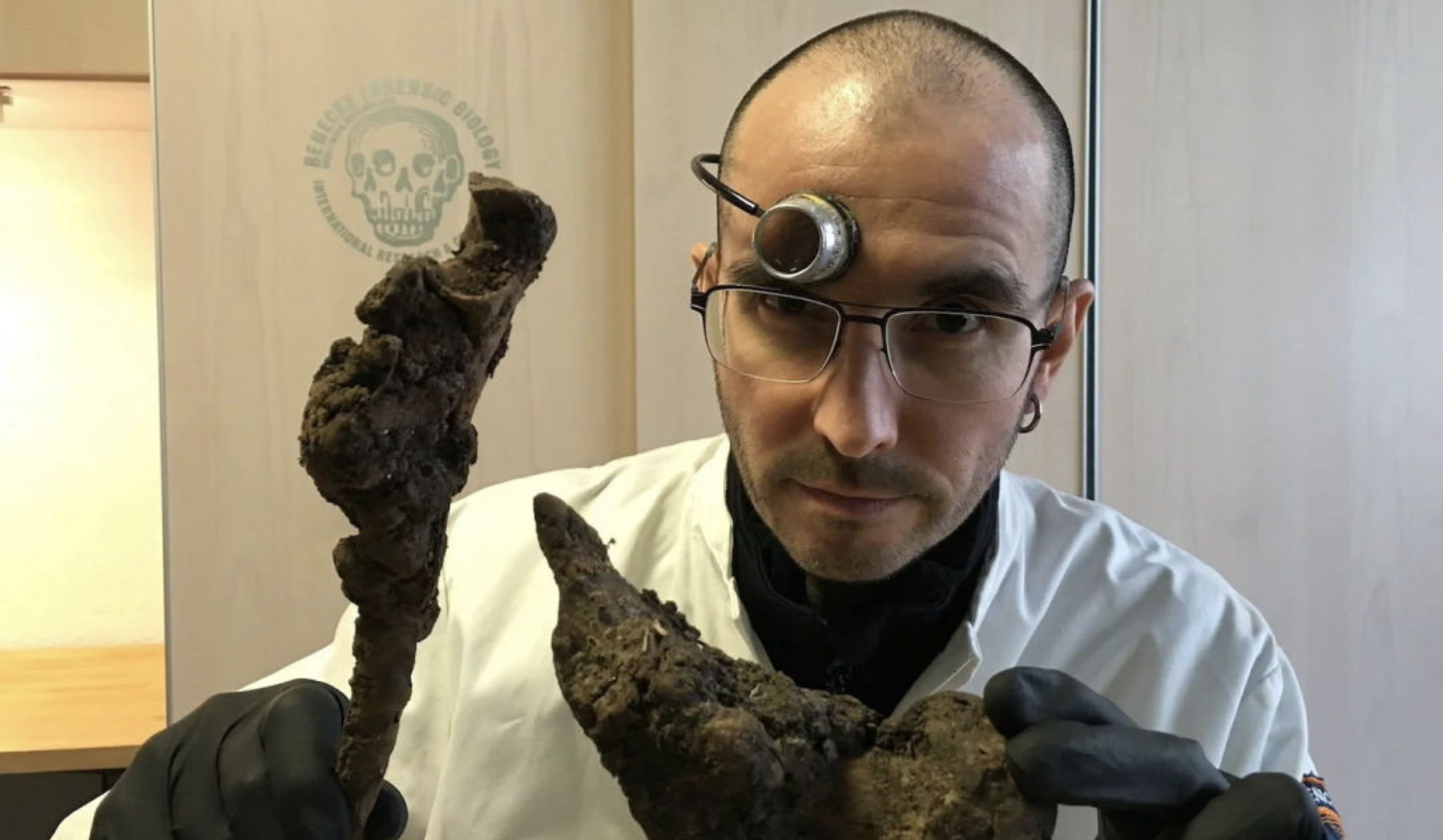
Foto: Ines Fischer
Ist ja jetzt nicht unbedingt der typische Berufswunsch aus der Grundschule. Wie kamen Sie dazu?
Zufall. Ich habe im Institut für Rechtsmedizin in Köln als Student genetische Fingerabdrücke lernen dürfen. Ich fand die Idee spannend, auf diese Art vielleicht Bio-Androiden von echten Menschen zu unterscheiden. Da das Labor im Keller bei den Leichen war, bin ich dabei irgendwie hängen geblieben.
Das große Interesse an Ihrem Berufsfeld hat Sie nicht nur zu einem Podcast, sondern sogar vor Live-Publikum geführt. Wie kam es denn dazu?
Ich antworte, wenn Menschen mich etwas fragen, und suche die Studien dazu heraus. Für Radio Eins (rbb/ARD) habe ich fünfundzwanzig Jahre lang ohne irgendeine Pause jeden Samstagmorgen eine neue Forschungs-Studie live ohne Fremdworte vorgestellt. Als Kind habe ich manchmal keine Antworten erhalten, das hat mich mega genervt. Daher habe ich mir vorgenommen, als Erwachsener alle Fragen nachzuschlagen und klar, kurz und einfach zu erklären. Während Corona hatten meine Frau und ich den größten deutschsprachigen Corona-Kanal, vom ersten bis zum letzten Tag der Pandemie, ohne Fremdworte, ohne Gelaber, nur die jeweils neuesten Messungen.
Wie erklären Sie sich das Interesse an forensischer Arbeit?
Die meisten Menschen möchten schon gerne die gemessene Wahrheit wissen. Sie können aber nicht immer schwierig geschriebene Studien lesen.
True Crime boomt ohne Ende. Können Sie das verstehen?
War schon immer so, seit Erfindung des Buchdruckes. Das hat viele Gründe. Drei davon: Menschen ist langweilig, oder sie sind dem Tod zu nahe gekommen, oder sie rätseln gerne.
Wie stehen Sie selbst zu True Crime? Oder muss man nach dem Job auch einfach mal abschalten und etwas anderes sehen?
Ich habe jeden Tag mit echten Verbrechen zu tun. Das ist für mich normal.
Dieser Hype ist auch oft eine Gradwanderung. Wenn ich beispielsweise an Netflix-Produktionen wie „Monster“ denke, so werden die dort behandelten Täter auch gerne mal regelrecht glorifiziert vom Publikum. An die Opfer oder deren Hinterbliebene denkt da dann selten einer. Wo verläuft die Grenze?
Ich schaue so was grundsätzlich nie, daher kann ich dazu nichts sagen. Ich habe auch noch nie „Medical Detectives“, wo ich seit über zwanzig Jahren Spuren erkläre, gesehen und auch noch nie die Serie „Tatort“. Wie gesagt, wir haben genug echte Fälle, die echte Menschen mit den echten Beteiligten – oft auch Angehörigen oder Täterinnen und Tätern – bearbeiten.
Stichwort Serientäter: Diese faszinieren uns besonders stark. Warum – und was macht sie aus?
Kommt drauf an. Es können narzisstische Antisoziale sein oder Menschen, die mangels innerer Widerstände ins Verbrechen rutschen, oder beides. Ein gutes Interview dazu habe ich mit Nico Claux, Mörder und Kannibale, gerade auf der Serienmord-Ausstellung gemacht, ist bei Youtube zu sehen (Anm. d. Red., unter folgendem Link aufrufbar: https://youtu.be/O2u8bdJl5Lw)
Wie erklären Sie menschliche Grausamkeit, die in einem solchen Täter stecken muss?
Klassische Serien-Täter suchen eine zuverlässige Bindung. Leider haben sie null Ahnung und null inneres Vermögen, wie die aussehen könnte. Daher machen sie das Falschestmögliche, um „dauerhafte“ Erlebnisse zu erschaffen.
Nicht nur in Sachen True Crime, auch im fiktionalen Bereich sind Thriller- und Horror-Fans von besonders grausamen Verbrechen in den Bann gezogen. Was ist für Sie die Spitze aller Grausamkeit?
Sehr grausam ist es beispielsweise, Tiere oder deren Ausscheidungen zu essen und gleichzeitig zu behaupten, man oder frau sei Tier-Freundin oder -freund. Das ist nicht nur grausam gegenüber den gefolterten Tieren, sondern zudem Selbst- und Fremd-Betrug.
Einige Ihrer Kollegen zeigen in ihren Bühnenshows auch gern einmal Fotos von Leichen – egal, in welchem Zustand. Wie handhaben Sie das – und wie reagiert da das Publikum?
Ich zeige in mehreren Vorträgen keine einzige Leiche. Das spielt sich sehr oft im Kopf der Menschen ab. Es gibt zwei Vorträge, wo Menschen neuerdings öfter umkippen, das ist der über Blut-Spuren (ohne Leichen) und der über mittelalterliche, christliche Gemälde (Leichen vorwiegend auf den Gemälden zu sehen).
Nun sprechen wir hier nur von Vorträgen, Sie arbeiten tagtäglich ganz nah daran. Wie geht man damit um? Nimmt man da auch das ein oder andere Mal negative Emotionen mit nach Hause oder können Sie das trennen?
Ich nehme alle Handlungen so, wie sie sind. Menschen sind halt seltsam. War schon immer so, wird immer so sein. Wir können nur versuchen, aus den Taten zu lernen, wie künftige Taten zu verhindern sind. Wenn das aber keinen interessiert, können wir das als spurenkundliches Labor auch nicht ändern.
Gab es einen Fall, der Sie besonders beschäftigt hat?
Ich behandele alle Fälle und alle Menschen haargenau gleich. Mein Team auch.
Anders gefragt: Was macht für Sie einen wirklich spannenden Fall aus?
Mir ist egal, ob er spannend wirkt. Interessant ist für mein Team und mich, ob es messbare Spuren gibt. Wenn die vorhanden sind, dann geht es weiter.
Gibt es in Ihren Augen ein „unlösbares“ Verbrechen?
Alle, von denen niemand je etwas erfahren hat.
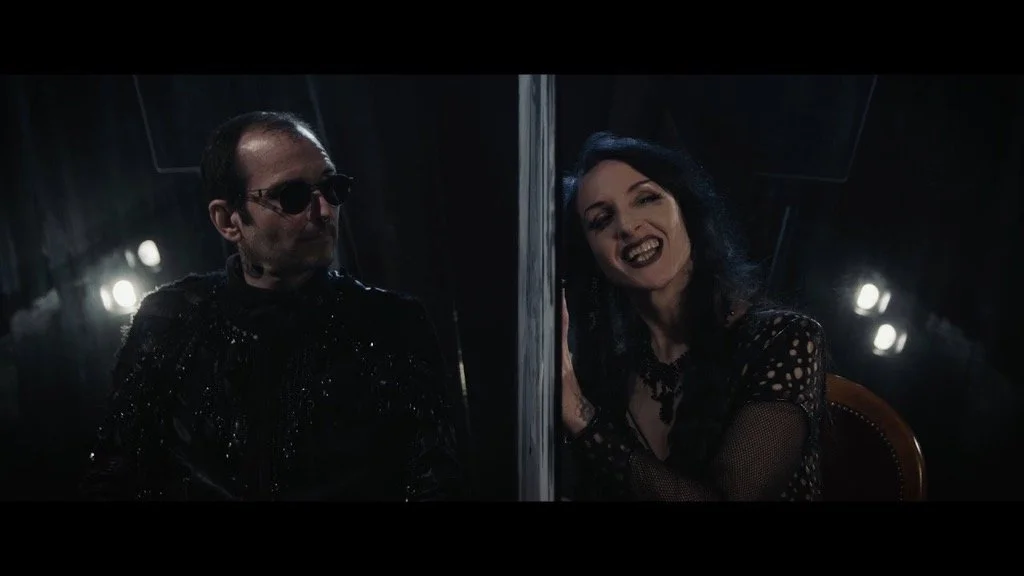
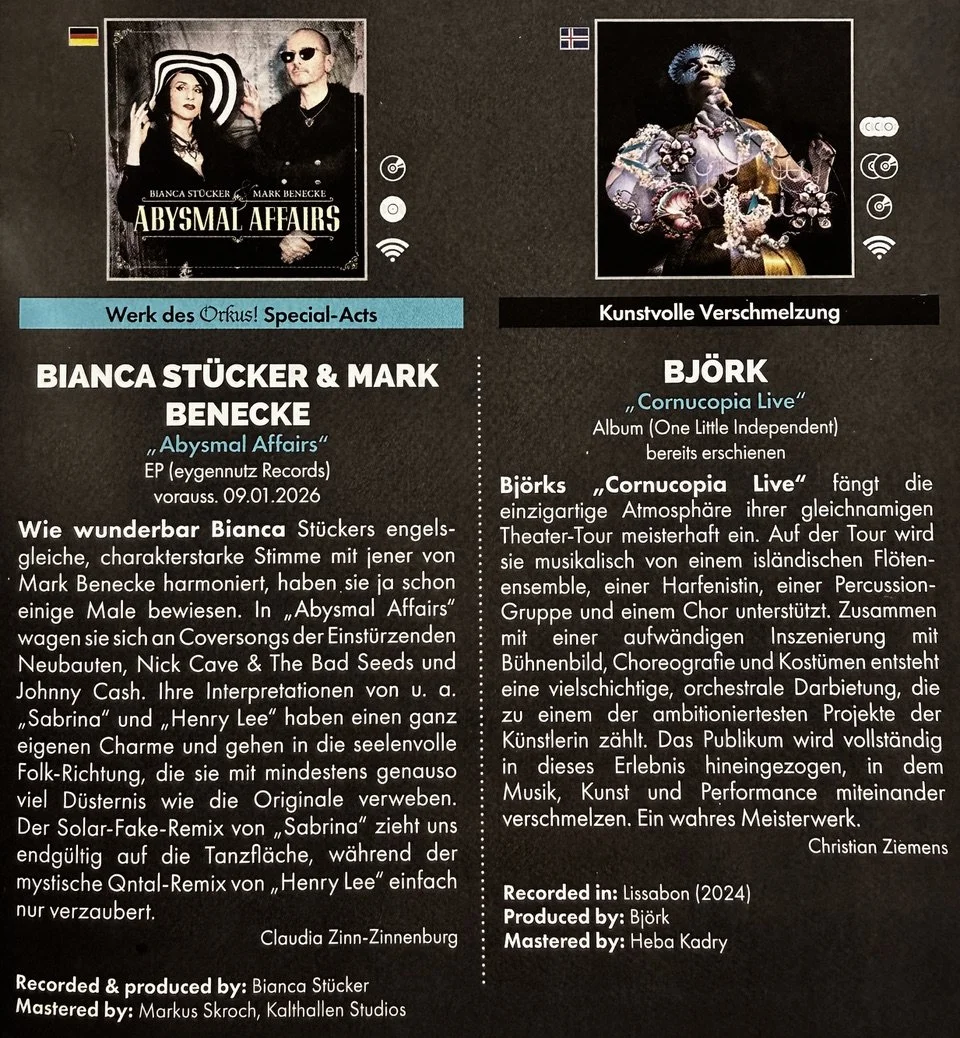
ORKUS!-Special-Act: Bianca Stücker & Mark Benecke 🦇
Quelle: ORKUS!, Winter 2025/6, Seiten 103 und 180 bis 184
Klick hier für das .pdf
Neue Platte: 'Absymal Affairs'
Musiktipps

Foto: Chelsea B
Von Claudia Zinn-Zinnenburg
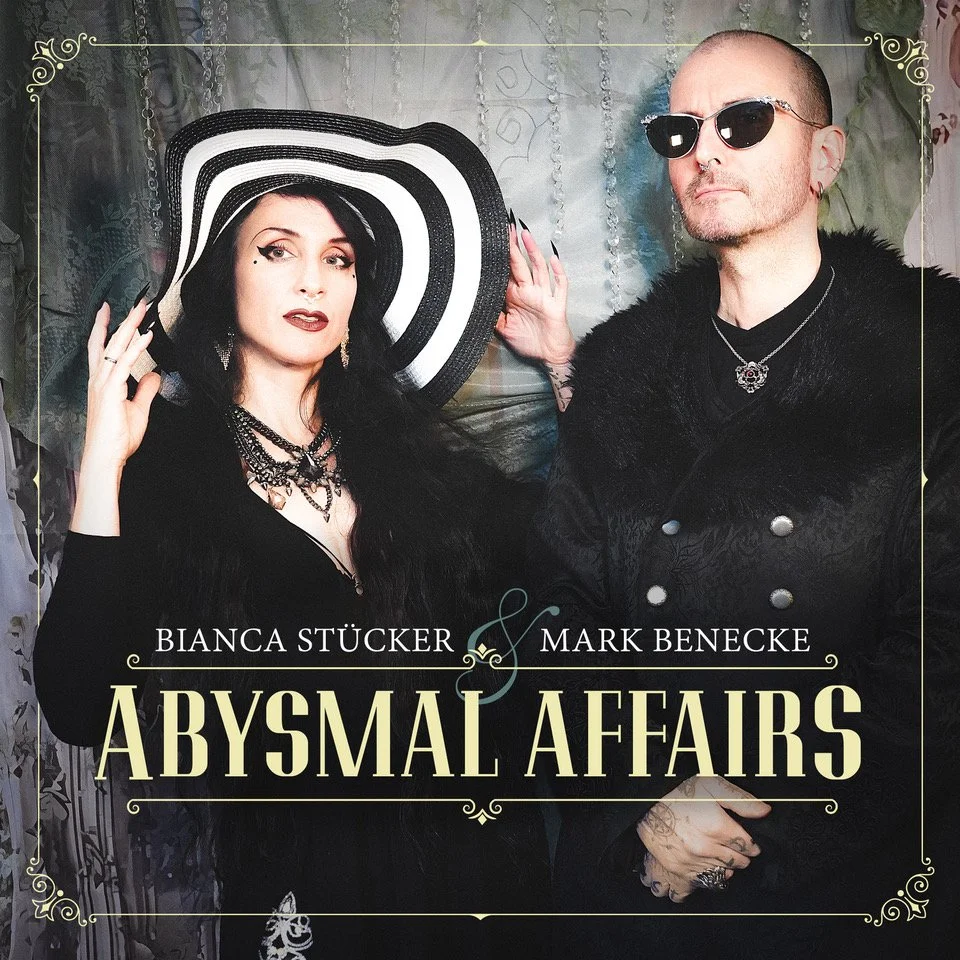
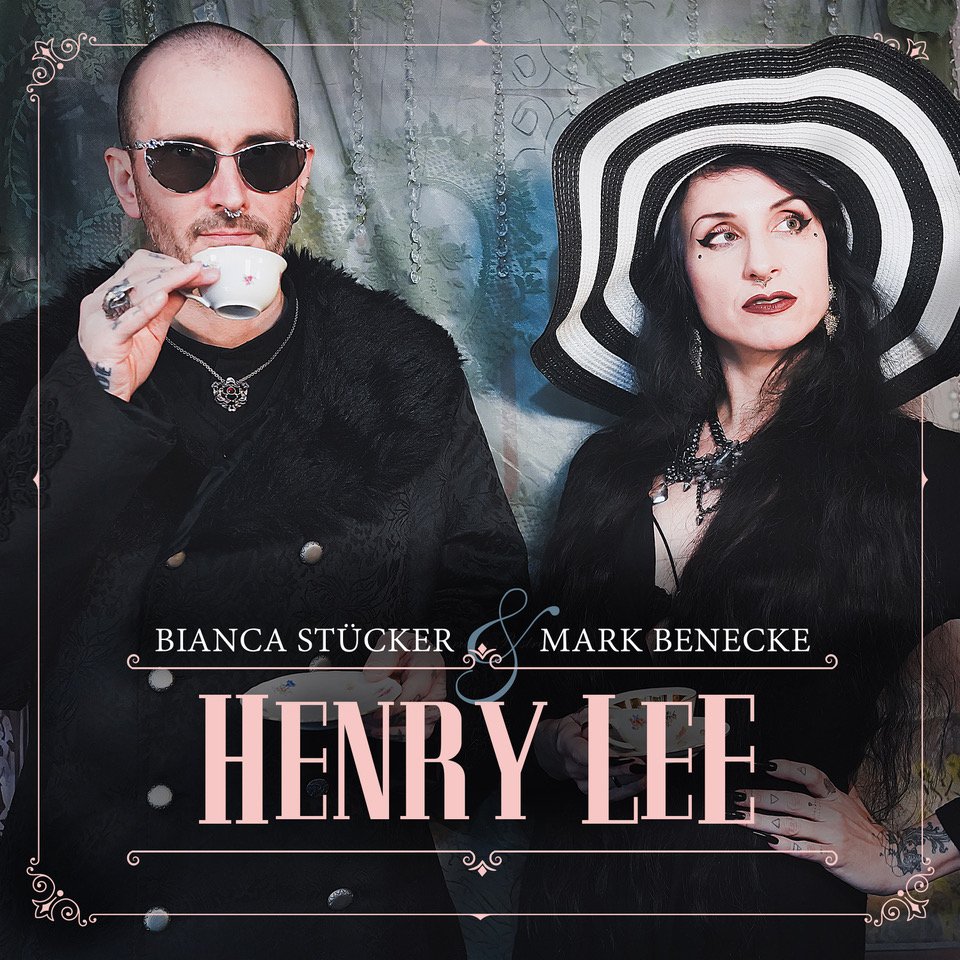
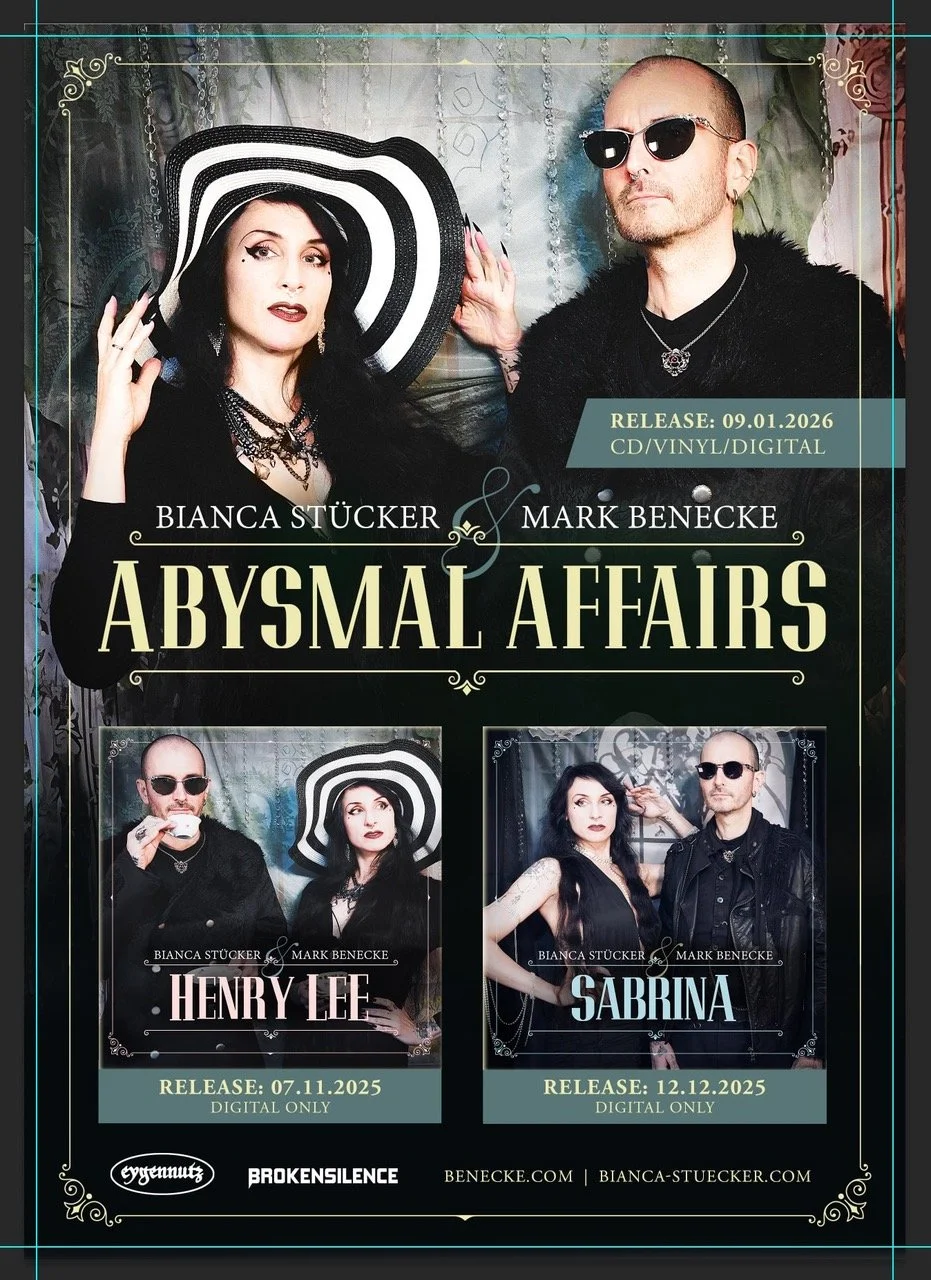
Wie wunderbar Bianca Stückers engelsgleiche, charakterstarke Stimme mit jener von Mark Benecke harmoniert, haben sie ja schon einige Male bewiesen. In “Abysmal Affairs” wagen sie sich an Coversongs der Einstürzenden Neuauten, Nick Cave & The Bad Seeds und Johnny Cash. Ihre Interpretationen von u.a. “Sabrina” und “Henry Lee” haben einen ganz einen Charme und gehen in die seelenvolle Folk-Richtung, die sich mit mindestens genauso viel Düsternis wie die Originale verweben. Der Solar-Fake-Remix von “Sabrina” zieht uns endgültig auf die Tanzfläche, während der mystische Qntal-Remix von “Henry Lee” einfach nur verzaubert.
Bianca Stücker & Mark Benecke
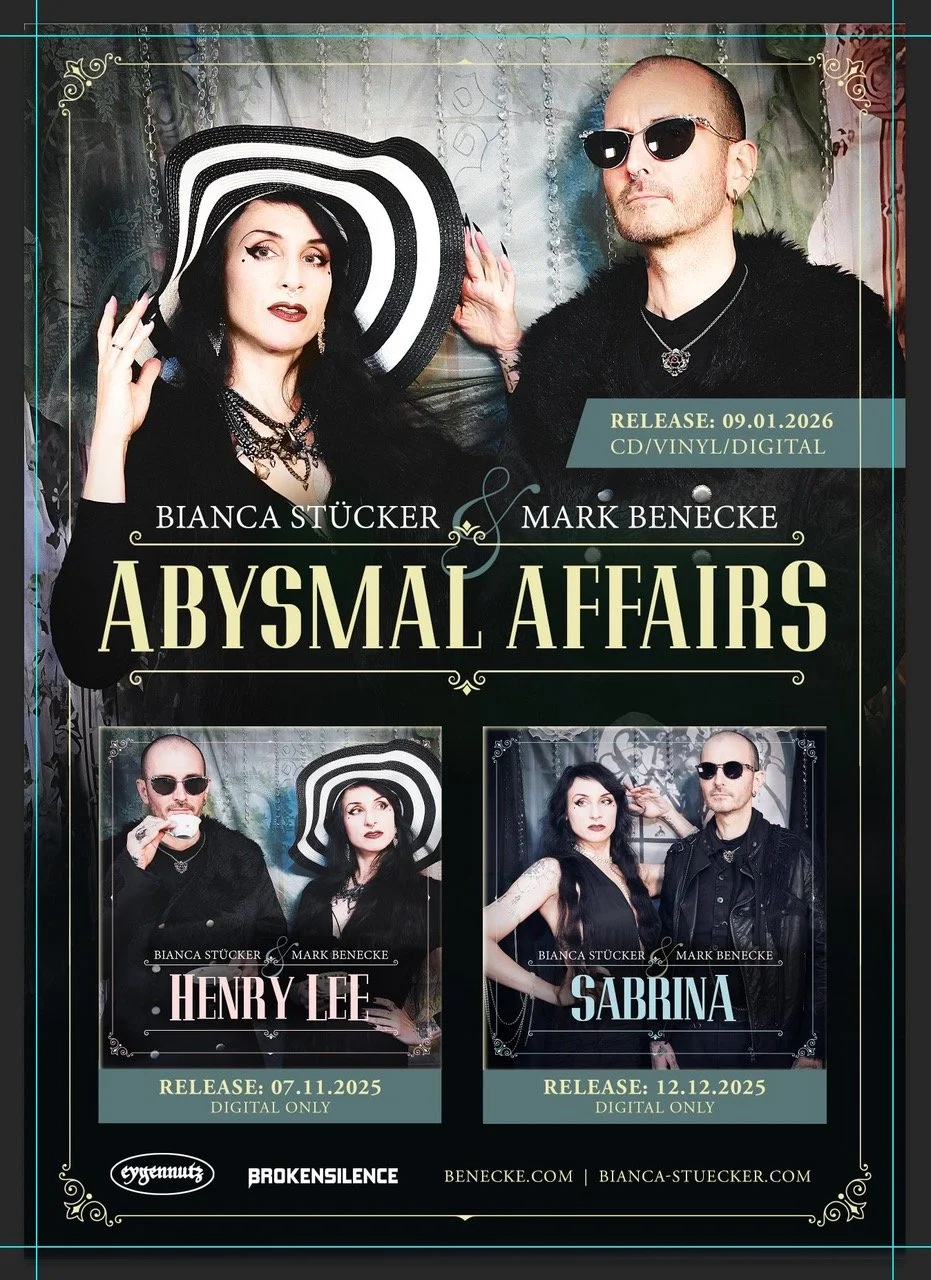
Foto: Chelsea B
Wir sprechen mit dem Dreamteam Bianca Stücker und Mark Benecke über die neue EP, Verhängnisvolles, das zu legendären Erinnerungen führt, Glitzerherzen als Emotionsbekundung und ... ach! Es wird einfach wieder herrlich verrückt, bunt, kurzweilig und interessant.
Orkus: Wie kam es denn zu dem schönen Titel „Abysmal Affairs"?
Bianca Stücker: Mark war diesmal betraut mit der Aufgabe des Liederwünschens, und die „Henry Lee"-Affäre ist ja schon einigermaßen verhängnisvoll, jedenfalls für Henry Lee persönlich. Und dann kreuzte plötzlich auch noch „I'm So Lonesome I Could Cry" unseren Weg, was eindeutig so klingt, als könnte es da auch verhängnisvoll werden, wenn die Einsamkeit einst ein Ende hat. Ist nur so ein Gefühl. Aber ein deutliches!
Mark Benecke: Am Ende wird es ganz sicher verhängnisvoll. Das weiß ich aus beruflichem Interesse.
Schön, dass ihr euch an die Einstürzende Neubauten gewagt habt. Ich kann mir vorstellen, dass von dieser Formation sicherlich viele Songs zur Auswahl gestanden haben könnten. Wie kam die Wahl auf „Sabrina"?
MB: Ich liebe das Original-Video, so ziemlich das traurigste an Film-Material, was ohne Schmalz möglich ist. Wie kam die Band einst da drauf? Bewegend.
BS: Absolut! Ich habe das Video damals bei MW oder VIVA gesehen, als es rauskam. Das waren noch Zeiten!
MB: Ich fänds toll, wenn das Video nochmal in HD rauskäme, liebe Neubauten. Ist da was zu machen?
Das war übrigens im Jahr 2000. Hätte ich lieber zuerst fragen sollen: Wie fiel die Entscheidung auf die Einstürzende Neubauten? Vielleicht eine Band, die euch auch schon lange begleitet?
MB: Seit immer, allerdings. Als ich früher in Manhattan gewohnt habe, hab' ich im Dezember 1998 ein abgefahrenes Konzert der Neubauten im Bowery Ballroom gesehen — magisch, echt. Anlass war die Veröffentlichung ihrer Platte „Ende Neu". Der erste Kracher war ihre „Vorband", bestehend aus Rob Rutman aus Berlin, der in New York sowohl Kunst studiert als auch ein Künstler-Leben geführt hatte. In den 1990ern lebte er schon wieder in Berlin. Heute liegt er auf dem Dorotheenstädtischen Friedhof und damit „zusammen" auf demselben Gelände mit dem ehemaligen Chef der Ostberliner Rechtsmedizin der Charite, Prof. Otto Prokop, dessen (einzige je erschienene) Biografie ich geschrieben habe. Rob Rutmans Musik-Instrumente und sein ganzer Auftritt im Ballroom waren für mich — und ich glaube auch für viele andere — so unerwartet und abgefahren, dass ich bis heute erzähle und es auch wirklich glaube, dass ich an diesem Tag Gott auf der Bühne gesehen habe, der mit uns Schabernack trieb. Die New York Times hat den Stil der Neubauten auf diesem Konzert als „Scrap Metal" bezeichnet, was ich ganz ulkig finde, ein schönes Wortspiel ist es noch dazu. Die Setlist dieses Konzertes ist übrigens bis heute,im Netz zu finden. Es gibt auch ein Bootleg des Auftrittes. Falls es jemand hat, bitte, bitte, bitte bei mir melden. Die Neubauten haben damals mit „The Garden" eröffnet, auch Armenia II gespielt und mit Bili Rubin geendet. Dit war schon sehr knorke jewesn.
Blixa war ja v. a. früher durchaus eine nicht gerade einfache Persönlichkeit, wenn man sich ältere Interviews mit ihm ansieht. Hattet ihr die Möglichkeit, ihn mal kennenzulernen?

Foto: Chelsea B
MB: Leider bisher nicht. Würde ich aber extrem gerne. Falls er das Interview lesen sollte ... ich bin bereit. Im Sommer hat Blixa ja mit Nikko Weidemann am Klavier „Helden", „Lazarus" und zwei weitere Bowie-Songs eingesungen. Wesentlich geiler finde ich aber die recht neue Platte „Alles in Allem" von 2020. Einen Song wie „Grazer Damm" muss man erst mal bringen — unfassbar. Die Platte ist eines der sehr wenigen Alben, die ich regelmäßig höre.
BS: Blixa bin ich auch noch nie begegnet, aber vor einigen Jahren habe ich Andrew, also N. U. Unruh, kennengelernt, weil er eine Neubauten-Party im Kulttempel in Oberhausen ausgerichtet hat. Es gab ein Bühnenprogramm mit Neubauten-Coversongs von verschiedenen Bands, ich habe etwas a-cappella gesungen (ich weiß nicht mehr, was genau) und zu einem Neubauten-Stück getanzt — ich glaube, tatsächlich zu „Sabrina", weil mir das am vertrautesten war, bin mir aber nicht mehr ganz sicher, es ist schon eine Weile her.
MB: Bianca war einfach superaufgeregt und hat es deshalb vergessen. Verständlich!
BS: Ich weiß aber noch, dass ich mir von Andrew eine alte Neubauten-CD signieren und mehrere verwackelte Selfies knipste. Wenn schon, denn schon! (lächelt)
Eure Version jedenfalls behält den ruhigen aber gleichzeitig unheilverkündeten Grundton des Originals, aber ihr macht daraus einen wunderbaren düster-folkigen Song, bei dem man auch nach mehrmaligem Hören immer wieder etwas Neues entdecken kann. Wie seid ihr da rangegangen?
BS: Spontan und intuitiv, dafür eignete sich das Stück ganz hervorragend — es bietet jede Menge Freiraum, um hier und da noch etwas hinzuzuerfinden. Und Mark hat erstmals Querflöte gespielt auf den Aufnahmen!
MB: Erstmals seit vierzig Jahren. Ich war auf einer Schule mit Musik- und Ballett-„Zweig". Aber das ist ein anderes Thema. Im Video könnt ihr mich übrigens flöten sehen und hören.
BS: Deine Ballettausbildung heben wir uns dann für das nächste Video auf! (lächelt)
Ja, bitte! Der Remix von Solar Fake bringt den Song nochmal auf die Tanzflächen und gefühlsmäßig auch in die Zukunft. Wie kam es zur Idee des Remixes und hat euch Sven damit überrascht?
MB: Sven ist einfach der Coolste. Heute hat er mir beispielsweise einen Stapel Adventskalender für unsere Fan-Gruppe Die MARKierten gesendet. Fürs Remixen haben wir ihn einfach gefragt. Und da ich weiß, dass er immer, wirklich einfach immer den Ton trifft, sowohl bei und mit und für seine Fans sowie in seinem Podcast als auch sowieso musikalisch, war ich megafroh, dass er es einfach sofort und ohne langes Überlegen gemacht hat. Über Remixe könnten wir euch übrigens allerlei erzählen. (lächelt) Schaut mal, wer bei uns bisher so remixed hat: Oomph!, Patenbrigade:Wolff, QNTAL – wir sind darüber unglaublich glücklich. Wenn ihr nerdig in die Tiefen unserer Liederwelten und Videos (sie sind auf Kino-Leinwand und mit Line Arrays gespielt sehr abgefahren) eintauchen möchtet, lauschet auch den Remixen. Ein schönes, neues Fachgebiet für Fans und Freundinnen. (glitzerherzchen)
BS: Ich freue mich auch sehr über den Remix! Sven kenne ich nicht persönlich, aber in den Mails fand ich ihn wahnsinnig nett und unkompliziert – ich konnte zuerst gar nicht glauben, dass er das einfach so gemacht hat, und dann auch noch verrückt schnell!
Von Blixa als Teil von The Bad Seeds ist die Verbindung zu Nick Cave schnell gemacht. Ich liebe eure Interpretation von „Henry Lee“. Gerade hier könnte ich mir aber auch vorstellen, dass der Respekt gegenüber des Originals mit PJ Harvey durchaus auch groß war. Oder? Wie habt ihr das „überwunden“?
BS: Ich habe dabei wirklich vorher immer eine Menge Respekt und fürchte mich jedes Mal ein bisschen davor, die Atmosphäre zu verfehlen oder etwas in der Art. Bei „Henry Lee“ hat sich aber recht schnell alles ineinandergefügt, ich hatte während der Aufnahmen ein Clavichord geschenkt bekommen, das musste natürlich sofort verewigt werden! Ich war schon seit dem Teenageralter großer PJ-Harvey-Fan und hoffe sehr, dass auch sie mit der Version einverstanden wäre, wenn sie sie mal zu Gehör bekommen sollte. (lächelt) Es ist immer eine Gratwanderung, die Originalversion nicht zu „imitieren“, und trotzdem den ursprünglichen Vibe beizubehalten – das fand ich bei „Henry Lee“ gar nicht so leicht, weil es sich von der Struktur her ja genau am Original orientiert, aber dafür haben wir Nyckelharpa, Hackbrett und Clavichord dabei, das ist ja schon mal etwas ersichtlich anderes.
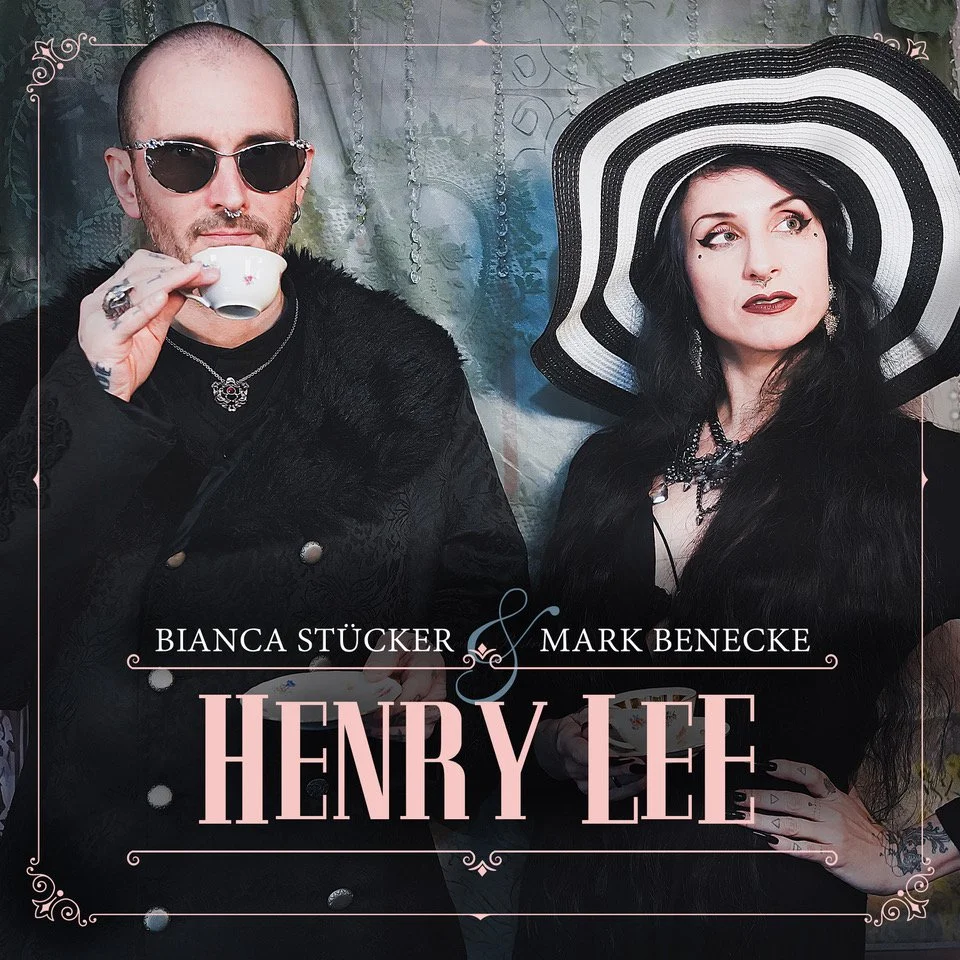
Foto: Chelsea B
Ich könnte mir vorstellen, dass das vielleicht das größte „Problem“ bei Coversongs ist. Wenn das Stücke sind, die einfach SO GUT sind, dass man da nicht „eingeschüchtert“ ist und man seine ganz eigene Interpretation macht, die dann auch für sich stehen kann. Wie seht ihr das?
MB: Hahaha, Bianca ist in dieser Hinsicht absolut furchtlos. Ich will ja immer, dass sie trötet, zimbelt und hackbrettelt, und sie hat bisher immer ja gesagt und fantastische Lösungen für meine Träume gefunden. Neuerdings trägt sie sogar einen Ausschnitt beim Dreh, ich verehre sie einfach. Manchmal denke ich, dass sie mir mit der Musik eine Freude machen möchte.
BS: Ich bin leider kein bisschen furchtlos! (lächelt) Aber ich nehme die Herausforderung an. Und, richtig: wenn du sagst, du möchtest gern ganz viele Instrumente dabeihaben, dann probiere ich das – das mache ich bei meiner eigenen Musik ja auch so. Und natürlich möchte ich dir mit der Musik eine Freude machen! Du machst mir ja auch mit allem Möglichen eine Freude: mit Sissi-Brillenetuis, seltenen Vampirtarots, Videodrehs und Auftrittsabenteuern!
MB: So klingt Liebe.
BS: Nach Hackbrettern, Sissi-Brillenetuis, Tröten und Flöten!
Auch der QNTAL-Remix ist sehr gelungen. Wie kam es zu der Zusammenarbeit? Oder kennt ihr euch alle irgendwie eh?
BS: Ja, der Remix ist auch richtig toll! Mark hatte die Idee, QNTAL zu fragen, und ich hatte auch schon einmal Kontakt zu ihnen, im Rahmen meiner Dissertation (das ist allerdings schon über zehn Jahre her). Wir haben uns sehr gefreut, dass sie ja gesagt haben, und es passt auch wirklich gut zusammen, dadurch, dass wir alle gern historische Instrumente mit elektronischen Elementen verbinden.
MB: Was manche vielleicht nicht wissen: Bianca ist Doktor in Musik-Wissenschaften, kein Scherz. Die QNTALs sind für mich was ganz Besonderes, weil sie ihre edle Musique fast schlafwandlerisch beherrschen.
Bei „I’m So Lonesome I Could Cry“ glaube ich, dass ihr euch an Johnny Cash orientiert habt, oder? Was ist eure Geschichte zu dem Stück?
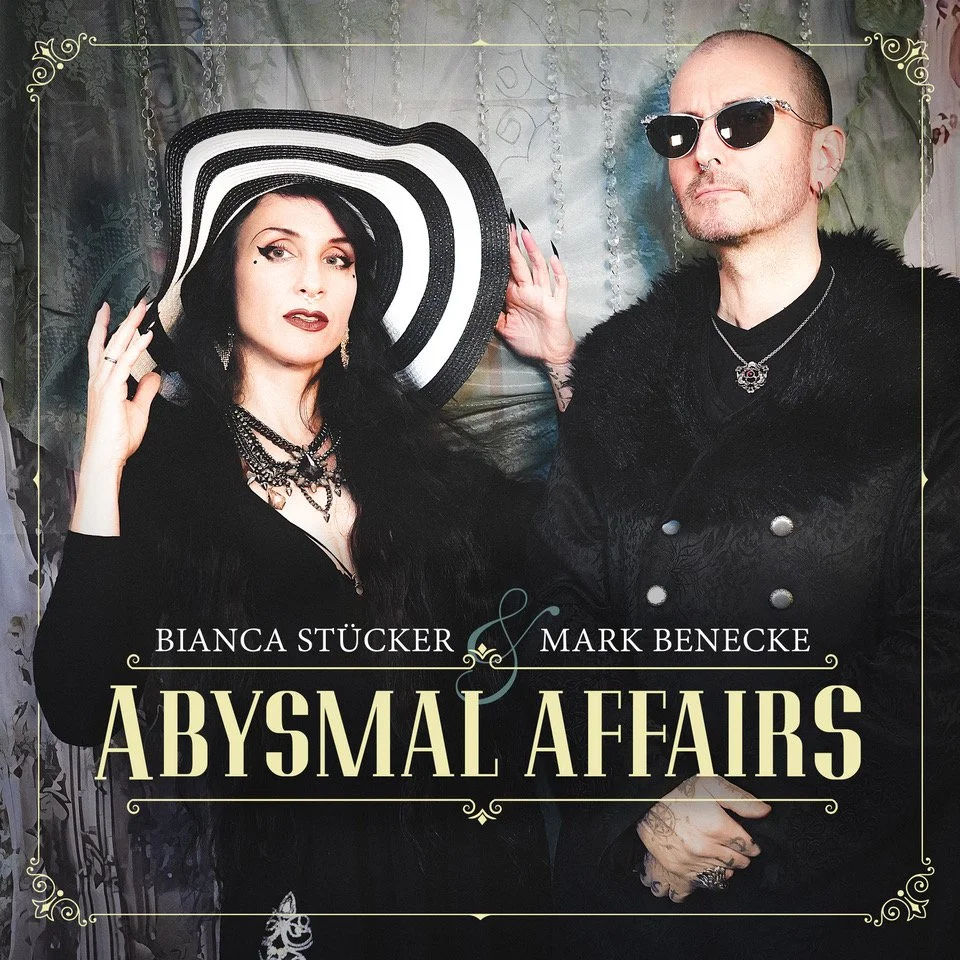
Foto: Chelsea B
MB: Durchaus, aber es hat bei uns ein bisschen mehr Schwung. Ich dachte beim Einsingen, dass das ein bisschen zu flach und untraurig werden könnte, aber weit gefehlt.
BS: Die Version von Johnny Cash und Nick Cave (schon WIEDER Nick Cave! Alles fügt sich! (grinst)) lief uns mehr oder weniger zufällig über den Weg und passte dann plötzlich erstaunlich gut zu den beiden anderen Sachen. Es ist ein eigentümliches und sonderbares Lied, mit traurigem Text und wunderlich heiterer Melodie – da konnten wir sozusagen nicht dran vorbeigehen. Die Originalversion von Hank Williams ist allerdings deutlich schwungvoller als unsere.
Wie geht es euch mit dem Text? Fühlt ihr manchmal diese verzweifelte Einsamkeit?
BS: Ich glaube, die hat jeder Mensch an irgendeinem Punkt in seinem Leben schon einmal empfunden – und wenn es vielleicht nur ein kurzer Moment war.
MB: Dachte ich bis vor kurzem auch, aber das scheint tatsächlich vorwiegend Neurodivergente zu betreffen. Wir fühlen uns dauernd „anders“, und oft sind wird nur in der Goth-Familie ohne große Erklärungen normal und es fühlt sich angenehm an. Das Gefühl kennen alle von ihrem ersten Festival-Tag auf ihrem ersten Gothic- Festival. Speaking of, ich habe gerade meine Fotos des ersten Amphi-Festivals gefunden und online gestellt. Da bot ein Sarg-Bauer Partner-Särge zum Schlafen für daheim an.
Ich finde Mark hat sich gesangstechnisch auch wieder übertroffen. Wie ging es dir dabei?
BS: Ja! Ich finde auch! Ich lobe ihn ständig, aber er zeigt sich dem Lob gegenüber eher unempfindlich. Die aktuellen Aufnahmen sind aber wirklich die besten bisher!
MB: Die angebliche Verbesserung (ich höre sie fast nicht) hat vermutlich zwei Gründe. Bianca hat mir mal erklärt, dass ich beim Singen den Mund weit aufmachen muss. Das hat offenbar Wirkungen gezeitigt. Und dann haben wir mal auf dem Amphi ohne Monitor-Box gesungen, ich habe wirklich nichts gehört, auch nicht die Mischung. Das war der blanke Horror, weil ich meine Tonlage schon immer (ich war früher Sänger bei den „Blonden Burschen“) an den oder die andere singende Person anpasse: Schwierig in einer Halle voller Fans, die ich ja glücklich machen möchte, aber ohne Monitor. Jedenfalls zeigte die Live-Aufnahme hinterher, dass es gut geklappt hatte. Seitdem hab ich weniger Angst, glaube ich. Ich bin ja nur ein Fan, der manchmal mit auf die Bühne darf.
BS: Beim Amphi hat Mark sich übrigens während des Auftritts laut mit dem Techniker über das technische Problem unterhalten, was ich komplizierterweise über meinen Monitor (der offenbar funktionierte) hören konnte. Und ich habe NICHT den Text verwirrt!! Ich möchte mich heute noch ganz herzlich dafür beglückwünschen, das war echt schwierig! (lacht)
MB: Ich frage mich eh, wie Bianca ihre eine Million Texte auswendig kann. Selbst Chris Pohl (mein neues Video vom Blutengel-Konzert ist soeben online gegangen) kann das nicht.
BS: Ich frage mich das auch! (grinst) Aber es geht nicht anders, ablesen ist keine Option, dafür reicht meine Fernsicht nicht aus.

Foto: Chelsea B
MB: Dafür hast du Weitsicht. Wir planen ja alles Jahre im Voraus.
Gab es besondere Herausforderungen während den Aufnahmen?
MB: Wie immer Biancas verfluchte Sittiche! Sie finden uns lustig und singen und tirilieren daher mit, was tontechnisch, ähm, herausfordernd ist. Vermute ich mal!
BS: Da ich an die Sittiche gewöhnt bin, finde ich sie nicht sonderlich herausfordernd. Sie verrichten ihr Tagewerk und unterhalten sich dabei fortwährend, landen aber nur selten auf den Aufnahmen – und wenn, dann bleiben sie drin, es gibt tatsächlich ein paar vereinzelten Stücke von mir, auf denen sie absichtlich zu hören sind. (lacht)
Wird es auch wieder die Möglichkeit geben, euch gemeinsam live zu erleben?
MB: Wie beim WGT, wo wir einfach vor meinen jährlichen, täglichen Auftritten mal einige Ständchen mit unseren Liedern gesungen haben? Das sollte gehen, kann mir ja eh keiner verbieten, harrharrharr. Vielleicht kochen wir auch mal andere Festivals weich. Bianca hat auch alle möglichen Höhlen, wo sie mangels Schlüssel nachts eingeschlossen ist, und ihren Rollschuh-Proben-Keller (kein Witz, da sind wir auch schon aufgetreten) zur Verfügung, da ist also viel möglich. Sehr cool wäre natürlich auch der Bowery Ballroom in meiner alten Nachbarschaft. (seufzt)
BS: Möglichkeiten über Möglichkeiten! Mit den Bruxas Solis spielen wir tatsächlich sehr gern in Höhlen, das sind einfach wunderschöne Orte mit einer ganz besonderen Atmosphäre – immerhin sind sie Millionen von Jahren alt. Bei unserem jüngsten Konzert in der Dechenhöhle, einer Tropfsteinhöhle, im vergangenen Oktober haben wir diesmal für den Auf- und Abbau sogar einen Schlüssel bekommen – die Gefahr des versehentlichen Einschlusses wurde also drastisch verringert.
MB: Millionen von Jahre: Das heißt älter als Bianca und ich zusammen. Das will schon was heißen. Ich staune.
BS: Und zu Recht! Höhlen sind die Methusaleme unter den Naturmonumenten.
Wie sehen eure vor allem musikalischen Pläne sonst noch aus für das nächste Jahr?
MB: Erstmal Videos, Videos, Videos. Ich habe in Berlin schon abgefahrenstes Material – unter anderem tauchten auf einmal die Heroin Kids auf und wurden gleich mit eingebaut – für ein neues Lied (noch geheim) mit unseren swaggen Video- Leuten aus Hamm in Westfalen, allerdings wie gesagt zum Dreh in Berlin, erschaffen.
BS: Und unsere supertollen Filmer dürfen hier gern namentlich bekannt werden: Das ist die Biermann & Wegner Medienproduktion, bestehend aus Robert und Tim, die wirklich allen Unsinn mitmachen und in Filmkunst verwandeln.
MB: Beachte beispielsweise unsere One Shots, also ohne Tricks in einem durch gedrehte Musik-Videos oder deren lange Teile. Hatte ich mir auch gewünscht et voilà. Danke, dass ihr uns alle, auch beim Orkus!, immer so ergeben treu seid.




KURIER WIEN: Dr. Mark Benecke über Hitler, Buchenwald und Menschenhau
Quelle: Kurier / Kurier.TV Wien, 7. Dez. 2025
HERRLICH EHRLICH
Der bekannte Kriminalbiologe und Spezialist für forensische Entomologie spricht über Mord, Spurensuche, Tattoos und Donald Duck.
Von Lisa Trompisch; Fotos: Tobias Steinmaurer
Foto: KURIER WIEN
Als einer der führenden Kriminalbiologen und Spezialist für forensische Entomologie (Insektenkunde) ist Dr. Mark Benecke (55) mit seiner biologischen Spurensuche maßgeblich an der Aufklärung von Mordfällen beteiligt. Er ist öffentlich bestellt und vereidigt, „das heißt, ich hafte persönlich für meine Gutachten und ich arbeite für jeden.“
Ihn interessiert nicht, warum ein Mensch etwas getan hat, sondern wie er es getan hat. „Die Täterinnen und Täter lügen natürlich oft, so wie das auch viele andere Menschen machen. Und da ist dann für das Gericht interessant, herauszukriegen, wer hat wo und wann genau, welche Spur hinterlassen“, so der gebürtige Deutsche in der KURIER TV-Sendung „Herrlich ehrlich – Menschen hautnah“. (Jeden Sonntag um 18:30 Uhr auf KURIER TV)
Die oft schrecklichen Dinge, die er zu sehen bekommt, nimmt er aber emotional nicht mit nach Hause, denn „ich hab nicht gedacht, dass die Welt ein besonders schöner Ort ist. Mich verwundert es nicht, dass Menschen sich schlecht verhalten und dass grauenhafte Dinge passieren.“ Er erwarte nichts anderes. „Es gibt superviel Schönes, es gibt superviel Schlimmes und es gibt alles dazwischen, was eigentlich das Interessante ist.“
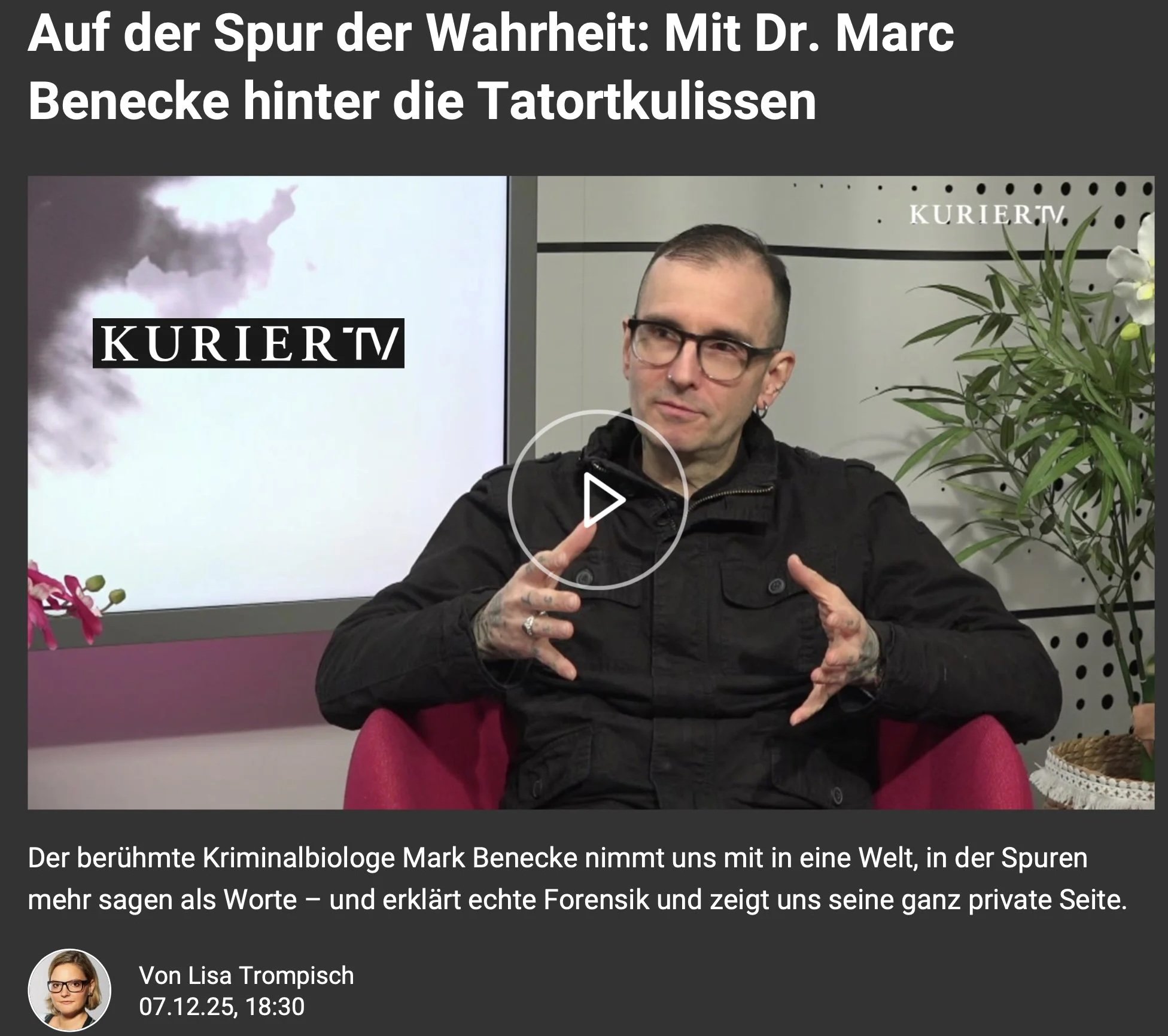
Foto: KURIER WIEN
Das öffentliche Interesse an Verbrechen kann er durchaus nachvollziehen. „Es ist doch auch gut, wenn Menschen wissen, dass es verschiedene menschliche Verhaltensweisen gibt und welche menschlichen Spuren es gibt, worauf man schauen könnte. Und in welche Situationen sollte man vielleicht nicht reingeraten? Ich finde das gar nicht so sensationslüstern. Ich finde, es ist ein normales Interesse. So wie man sich auch für Nahrungsmittel interessiert oder irgendwelche anderen Sachen, die mit dem Leben zu tun haben.“
Benecke, der mehr als 25 Bücher geschrieben hat, hält auch viele Vorträge und gibt via Instagram, Facebook, TikTok und Youtube spannende Einblicke in seine Arbeit. Seine Youtube-Ausführung, warum es biologisch gesehen keine „Menschenrassen“ gibt, hat zum Beispiel 1,1 Million Aufrufe.
Er hat auch ein Schädelfragment und das Gebiss, das Adolf Hitler zugeschrieben wird, untersucht. (Was er zu der aktuellen DNA-Analyse, dass Adolf Hitler höchstwahrscheinlich am seltenen Kallmann-Syndrom litt, sagt, sehen Sie im Video oben).
Dem Kriminalbiologen gelang es auch, in einer aufwendigen und selbstfinanzierten Untersuchung zu bestätigen, dass ein Lampenschirm und eine Taschenmesserhülle aus dem KZ Buchenwald aus menschlicher Haut bestehen.
„Ich hab daraus vor allen Dingen gelernt, dass man die Geschichte noch mal erzählen muss. Wie das passiert, dass Menschen in Lagern landen, zusammengepfercht werden, in Listen aufgenommen werden, in Gruppen eingeteilt werden.“ Er hat jetzt auch Anfragen aus Australien und England bekommen, Gegenstände dahin gehend zu untersuchen.
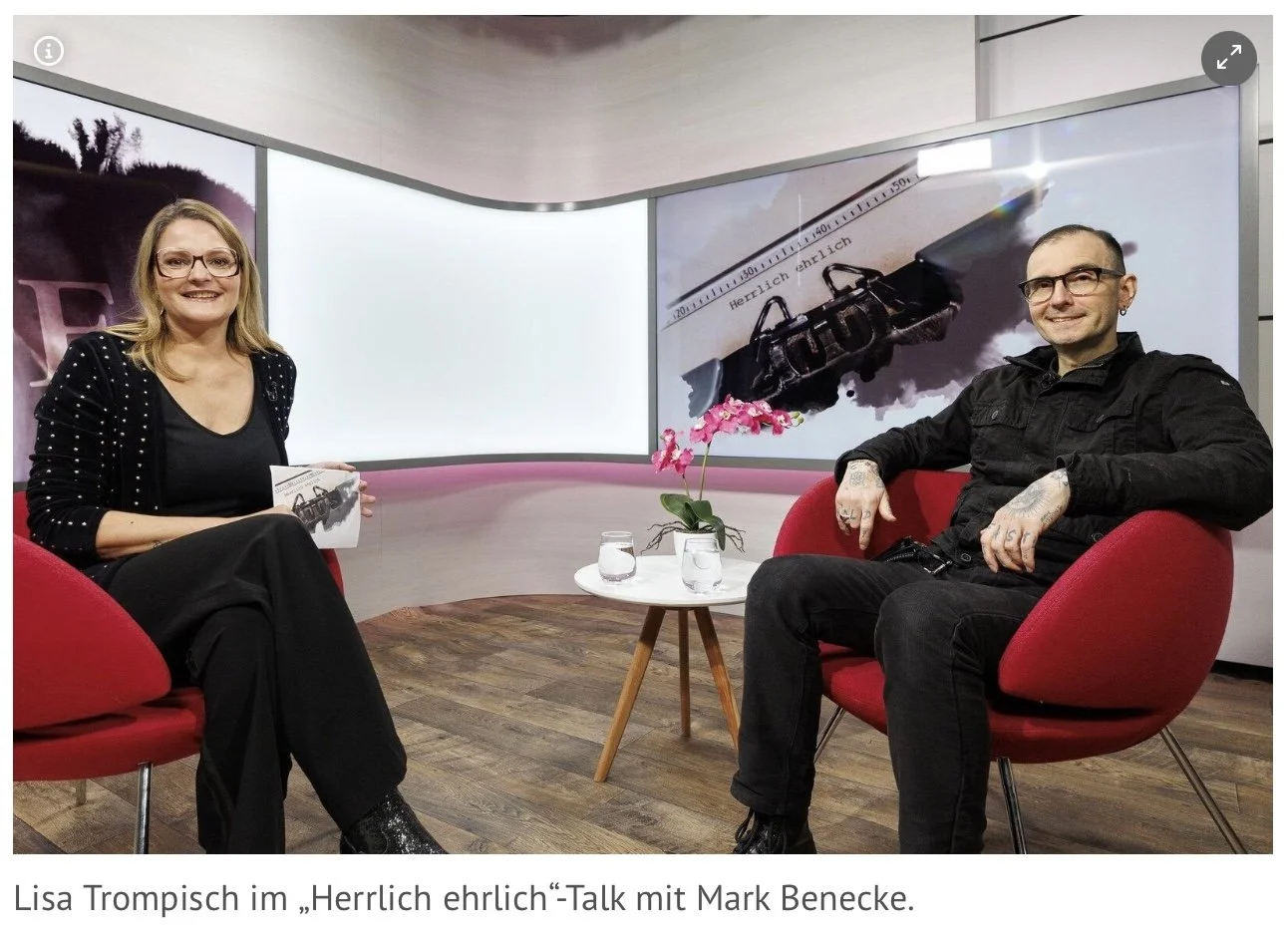
Foto: KURIER WIEN
Benecke interessiert sich aber auch aus wissenschaftlicher, kriminalbiologischer Perspektive für Vampire. Er ist offizieller Pate für die Vampir- und Zoologie-Bücher in der Österreichischen Nationalbibliothek in Wien.
Und, dass er eine Vorliebe für Tattoos hat, ist offensichtlich. Wie viele er genau hat, kann er nur schätzen. Um die 200 sollten es sein.
„Meistens verbindet mich das mit dem Ort oder der Person, die das gemacht hat oder mit dem Ereignis, aber es kann sich auch ändern. Im Laufe der Zeit kann alles seine Bedeutung ändern, im Guten oder im Schlechten und so kam es, dass ich am Ende in einer Ausstellung im Völkerkundemuseum in Leipzig gelandet bin. Da kann man mich als 3-D-Modell drehen und dann kommt die Geschichte zu den Tattoos.“
Sein Erstes war übrigens eine Eidechse. Er ist Vorsitzender des Vereins ProTattoo e.V. und Ehrenmitglied des Bundesverbandes Tattoo.
Seinen Rücken zieren der Stephansdom und Mannerschnitten. „In Wien gestochen. Das ist einer der vielen Bezüge zu Wien. Vor allem weil es lustig war, weil der Tätowierer dann irgendwann rosa rausnahm wegen der Mannerschnitten. Und ich dachte so, rosa ist eine Farbe, die du normalerweise nicht bei Tattoos hast“, erzählt er schmunzelnd.
Und Benecke ist auch „Donaldist“, sprich hat ein großes Interesse für Donald Duck und Entenhausen.
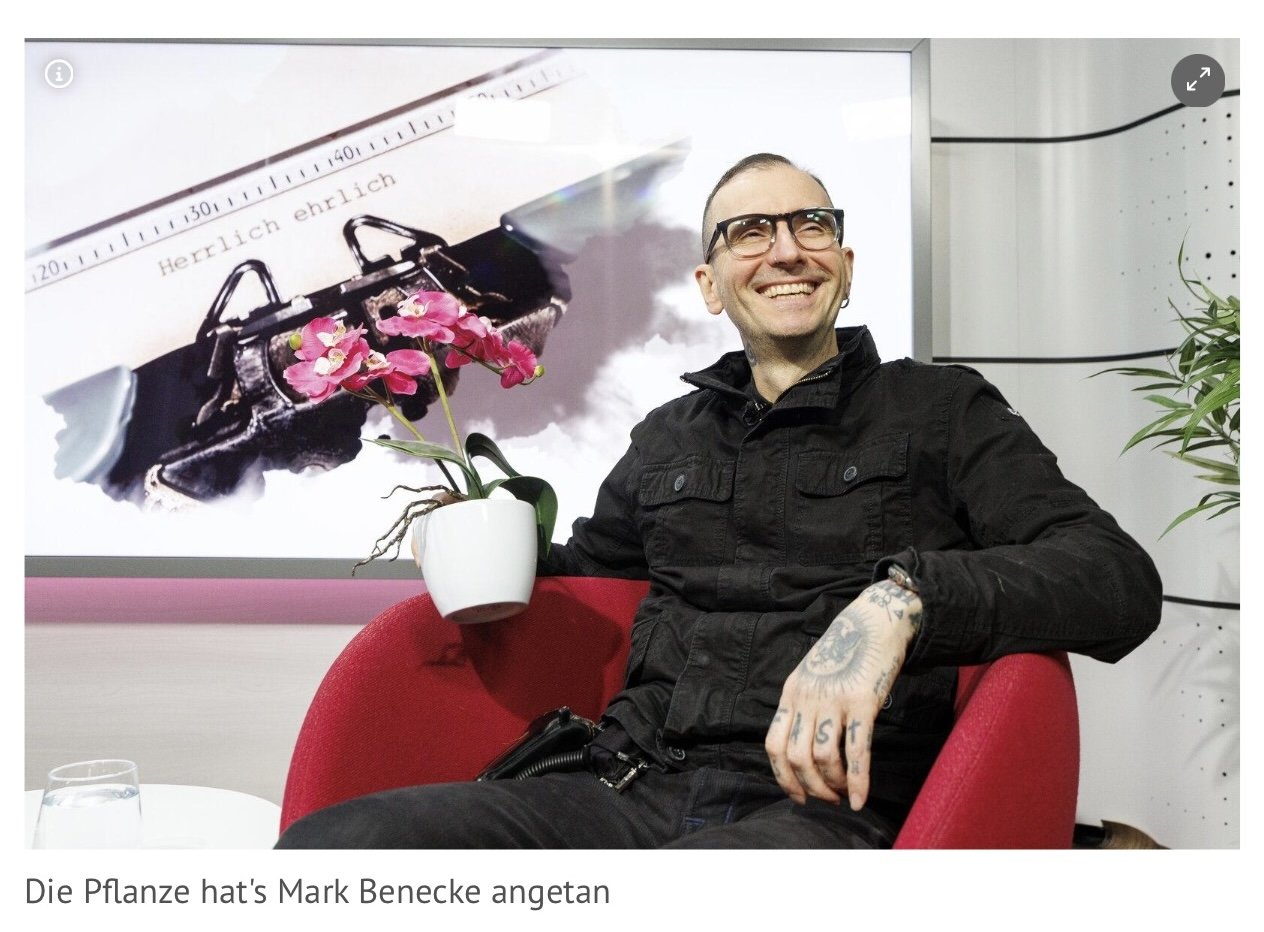
Foto: KURIER WIEN
„Donaldisten gehen davon aus, dass alles, was zu sagen ist, gesagt wurde, und zwar durch den Zeichner Carl Barks ( 2000) und durch die deutschsprachige Übersetzung von Dr. Erika Fuchs ( 2005). Das ist so wie die Bibel, der Koran oder irgendwas, wo man behauptet, das stimmt alles. Das diskutieren wir nicht, das ist so gewesen“, so Benecke.
„Es zeigt, wenn du eine Grundannahme nicht prüfst, dann kannst du alles schlüssig erklären und dann kann das auch keiner widerlegen. Das ist auch eine super Übung, dass man in der Kriminalistik und am Tatort keine falschen Grundannahmen macht, denn sonst stimmt zwar alles, hat nur leider nix mit dem Fall zu tun, weil die Grundannahme falsch war, und das ist der schlimmste Sachverständigenfehler, den es gibt.“
Noch viel mehr gibt’s im Video oben und am Sonntag um 18:30 Uhr auf KURIER TV.
Future Science: Das Ende der Tierversuche (Film 2026)
Regie & Kamera: Marc Pierschel
Produzent: Mark Benecke
An der Schwelle zur Zukunft begleitet FUTURE SCIENCE die Wissenschaftler*innen, die mit innovativen Technologien wie KI, Multi-Organ-Chips und 3D-Bioprinting die biomedizinische Forschung revolutionieren und Tierversuche ersetzen wollen.
Steht die biomedizinische Forschung an einem Wendepunkt? Innovative Technologien wie Multi-Organ-Chips, KI, 3D-Bioprinting und computergestützte Modelle haben das Potenzial, Tierversuche zu ersetzen und gleichzeitig präzisere und schnellere Ergebnisse für den Menschen zu liefern. Doch trotz dieser vielversprechenden Entwicklungen werden immer noch zahlreiche Tiere in der Forschung eingesetzt. Sind Tierversuche für den medizinischen Fortschritt wirklich unverzichtbar?
FUTURE SCIENCE begleitet führende Wissenschaftler*innen, die an Ersatzmethoden forschen, und beleuchtet eindrucksvoll das Potenzial dieser tierversuchsfreien Technologien. Was verhindert den Durchbruch solcher Verfahren und welche Interessen zwischen Wissenschaft und Wirtschaft stehen einem Paradigmenwechsel entgegen?
Der Film hinterfragt kritisch den heutigen Stellenwert und die Notwendigkeit von Tierversuchen. Welche Auswirkungen hat das Festhalten an Tiermodellen auf den medizinischen Fortschritt und die Entwicklung neuer Therapien? Gleichzeitig zeigt er die Vision einer Zukunft, in der wissenschaftliche Erkenntnisse auf soliden und ethisch vertretbaren Grundlagen beruhen, ohne dass Tiere dafür leiden müssen.
2024 haben wir den ersten Teil unseres Films gedreht. Was als kleines Projekt begann, entwickelte sich schnell zu etwas viel Größerem: Während unserer intensiven Recherchen und Dreharbeiten erkannten wir das immense Potenzial von Forschungsmethoden, die Tierversuche ersetzen können. Dieses wichtige Thema möchten wir nun in einem 90-minütigen Dokumentarfilm einer breiten Öffentlichkeit zugänglich machen, um auf die Bedeutung der tierversuchsfreien Forschung aufmerksam zu machen.
Unser Ziel ist es, eine offene Diskussion anzustoßen und zu zeigen, wie entscheidend dieser Wandel für eine zukunftsorientierte Forschung ist. Der Film soll Bewusstsein schaffen und den Weg in eine tierversuchsfreie Zukunft ebnen.
Wir werden FUTURE SCIENCE 2026 in die Kinos bringen und anschließend auf DVD, Blu-ray und als Download veröffentlichen.
Gemeinsam können wir etwas bewegen - für die Wissenschaft, für die Tiere und für unsere Zukunft.
FUTURE SCIENCE richtet sich an alle, die sich für eine ethisch vertretbare, effizientere Wissenschaft und eine Zukunft ohne Tierversuche interessieren. Unser Ziel ist es, Wissenschaftler*innen von morgen zu inspirieren, politische Entscheidungsträger herauszufordern und die Wissenschaft transparenter zu machen. Wir sind überzeugt, dass FUTURE SCIENCE das Potenzial hat, eine breite Debatte über Tierversuche anzustoßen und die Dringlichkeit eines Paradigmenwechsels in der Forschung zu unterstreichen.
Wir sind uns bewusst, dass Tierversuche ein komplexes und umstrittenes Thema sind. Manche Menschen glauben immer noch, dass Tierversuche für den medizinischen Fortschritt notwendig sind, obwohl es zahlreiche Beispiele dafür gibt, dass die Ergebnisse von Tierversuchen nicht auf den Menschen übertragbar sind.
Moderne tierversuchsfreie Methoden sind effizienter und genauer als Tierversuche und können schneller zu verlässlichen Ergebnissen für uns Menschen führen. Der Film soll dazu beitragen, das Bewusstsein für die Problematik von Tierversuchen zu schärfen und politische Entscheidungen zu beeinflussen.
Schallplatten-Cover "Krätze" 🤘
Der hervorragende Dahli hat es wieder getan und mich in eine Zeichnung eingebaut 👨🎨 »Hallo Mark. Unser "Krätze"-Album ist fertig und hat seinen Weg bereits ins Presswerk gefunden. Release ist am 13.03.26. Der Song "Fäulnis & Verwesung" (feat. Mark Benecke) ist darauf enthalten und du (zusammen mit unseren zahlreichen anderen Gästen) auf dem Albumcover. Liebe Grüße: Thorsten "Dahli" Dahlhaus«
Friedhofs-Regeln & - Ruhe
Quelle: Deutschlandfunk Kultur, 25. Nov. 2025, 19:30 Uhr, 29:57 Minuten
Leben Geschichte Friedhofsregeln: Streit um die letzte Ruhestätte
Illmer, Julia, Lang, Norbert
Das Grab von Entertainer Dirk Bach auf dem Melaten-Friedhof: Immer wieder bringen Fans kleine Figürchen vorbei oder haben auf einer rosa Bank am Grab eine 'Audienz beim Mausekönig'. Die Stadt Köln ließ alle Bänke entfernen.
Immer mehr Menschen wollen ihrer Angehörigen am Grab individuell gedenken. Andere nutzen Friedhöfe als lebendige Orte im urbanen Leben und als grüne Oasen in grauen Städten. Welche Bedeutung hat Pietät heute? Wie viel Leben wollen wir auf Friedhöfen?
Aus dem Podcast “Zeitfragen. Feature”
Mit Mark Benecke
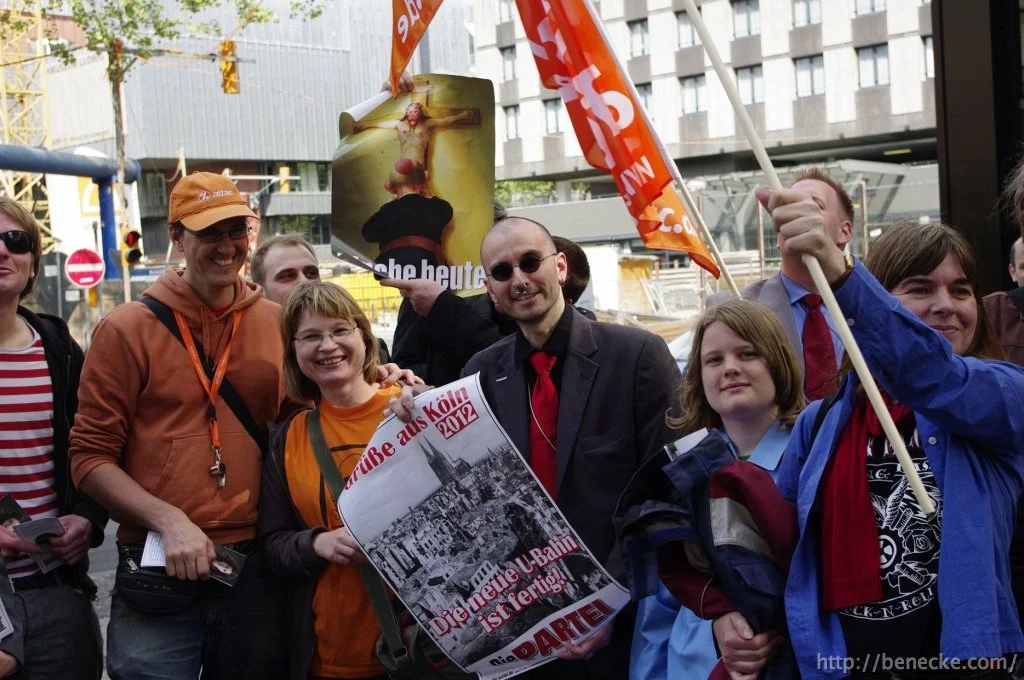
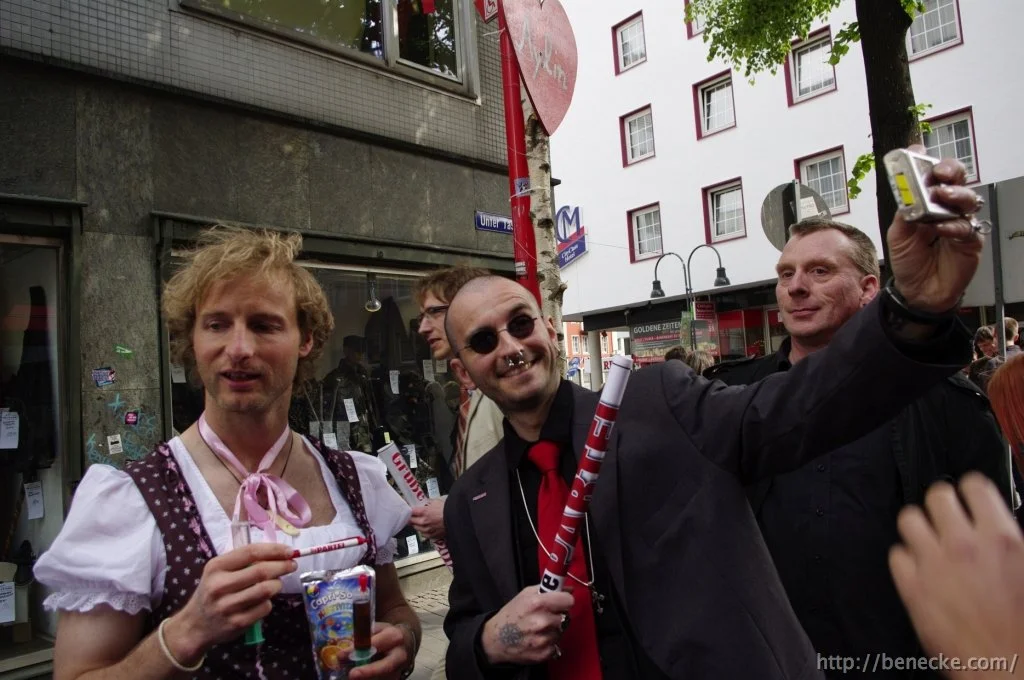
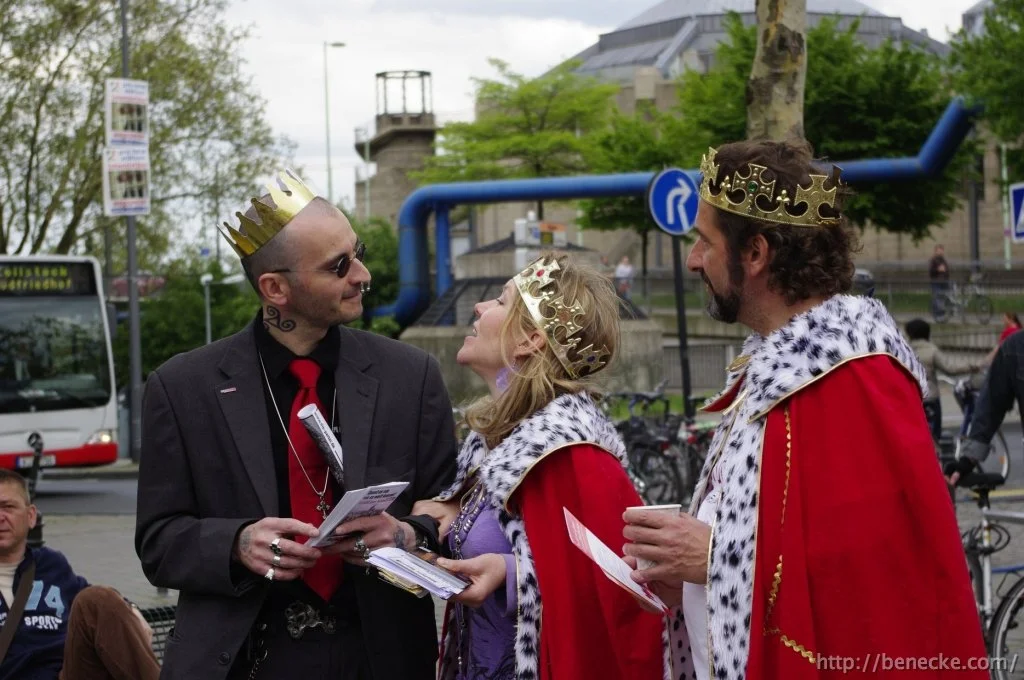
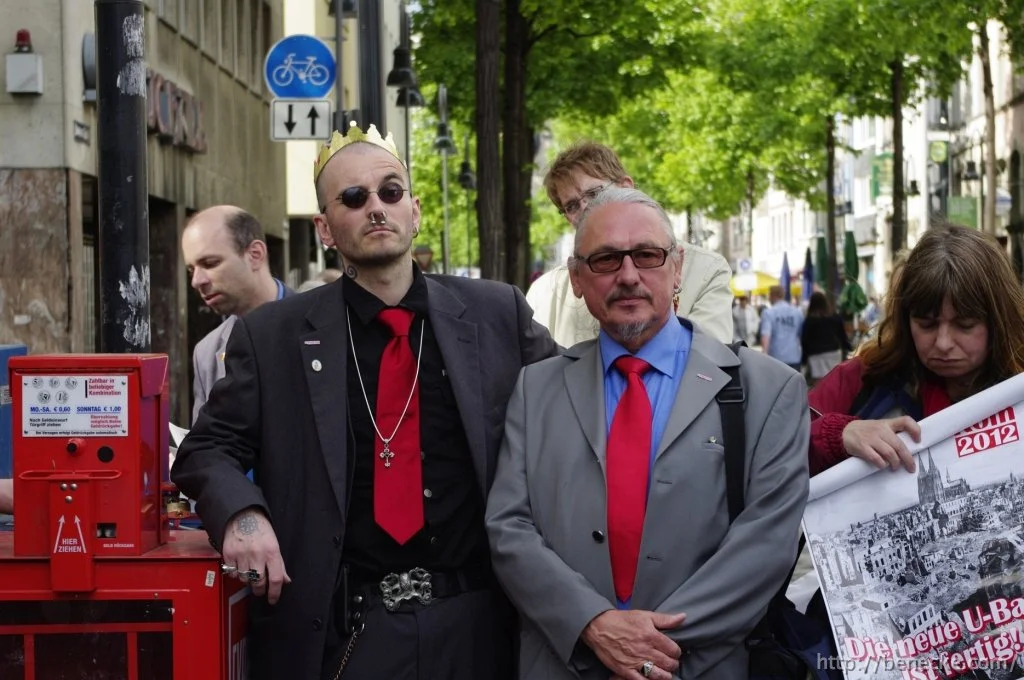
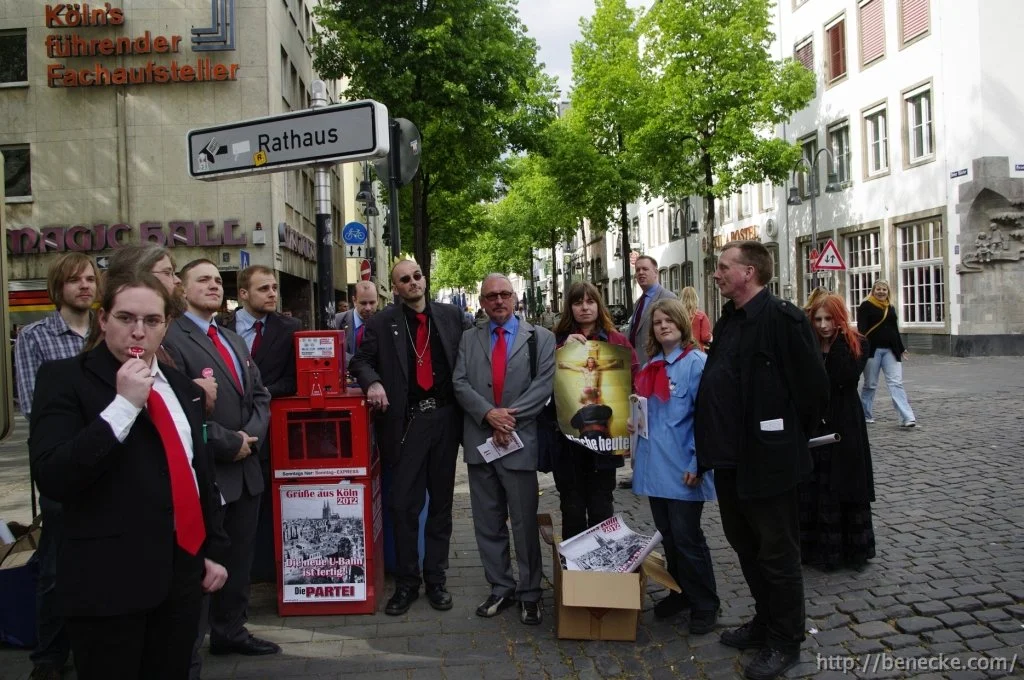
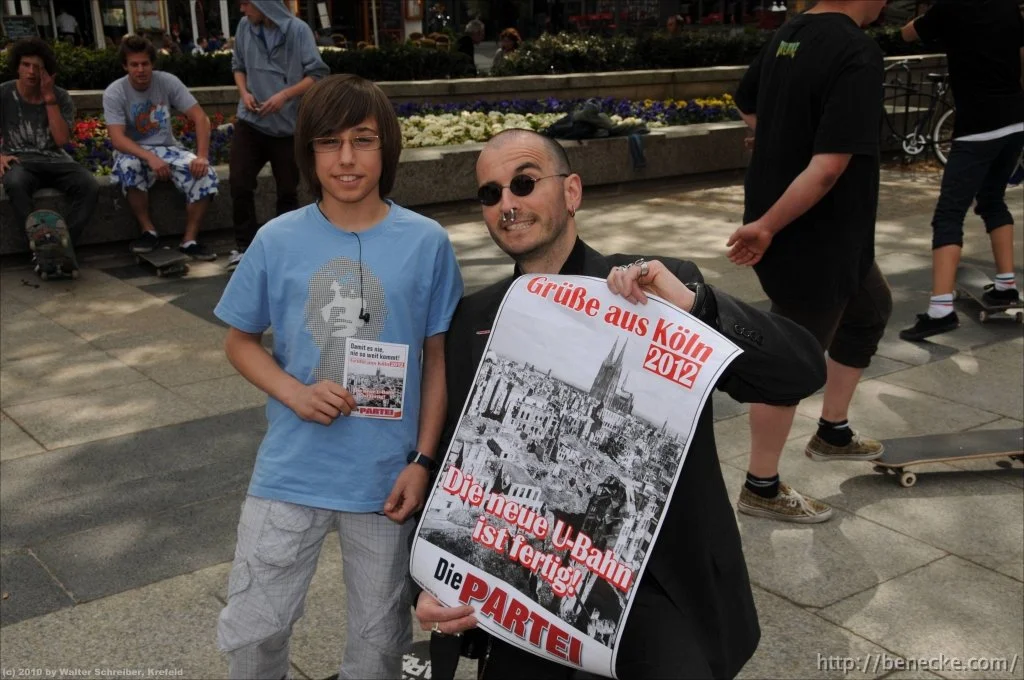
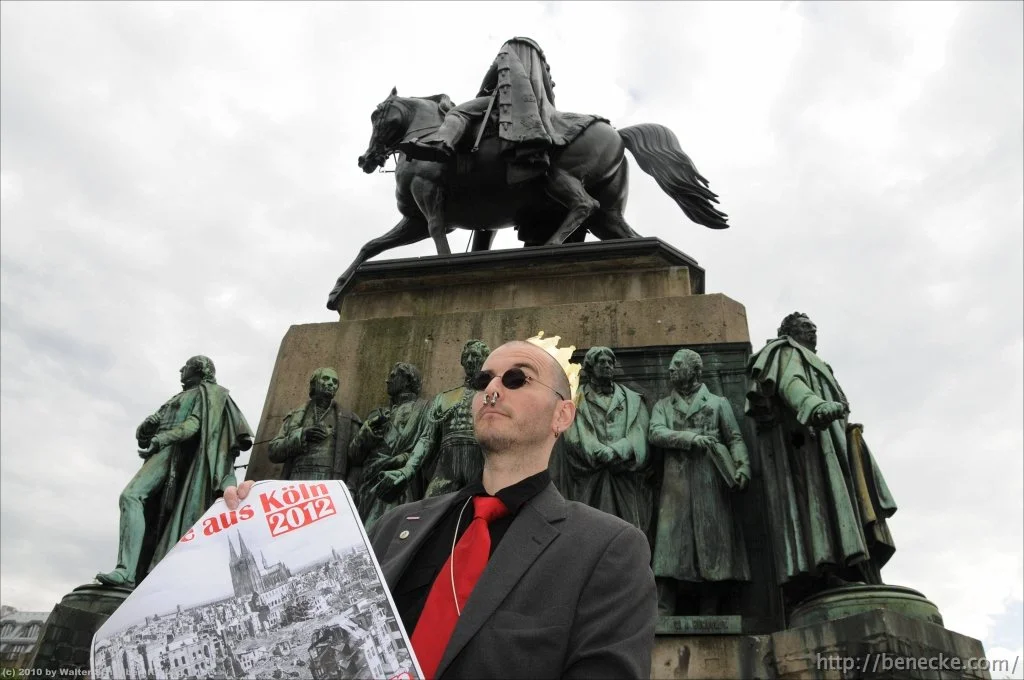
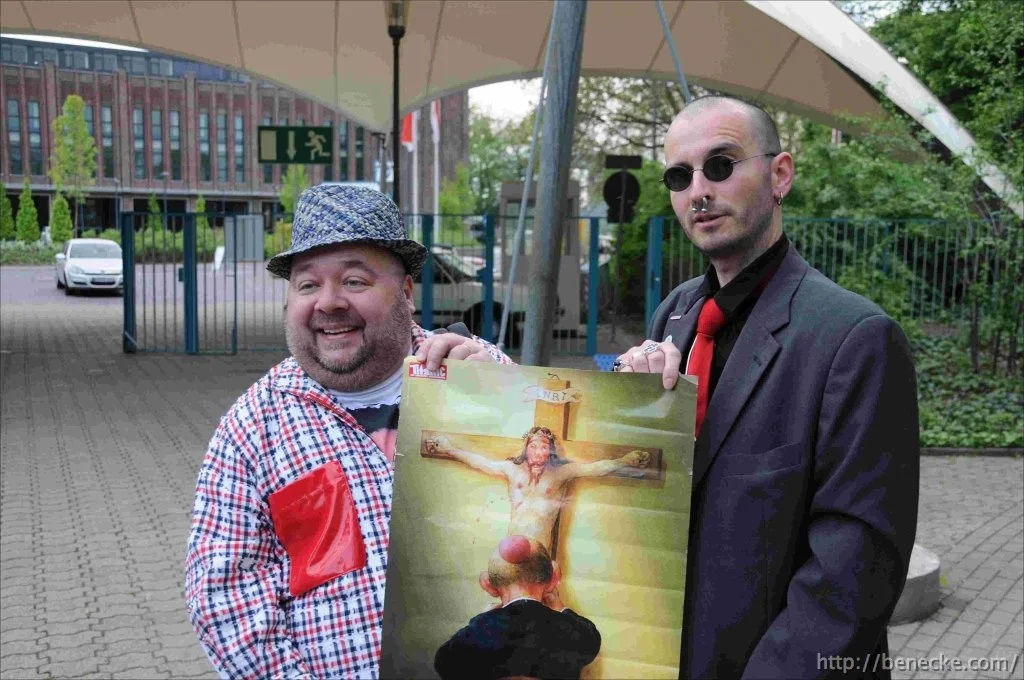
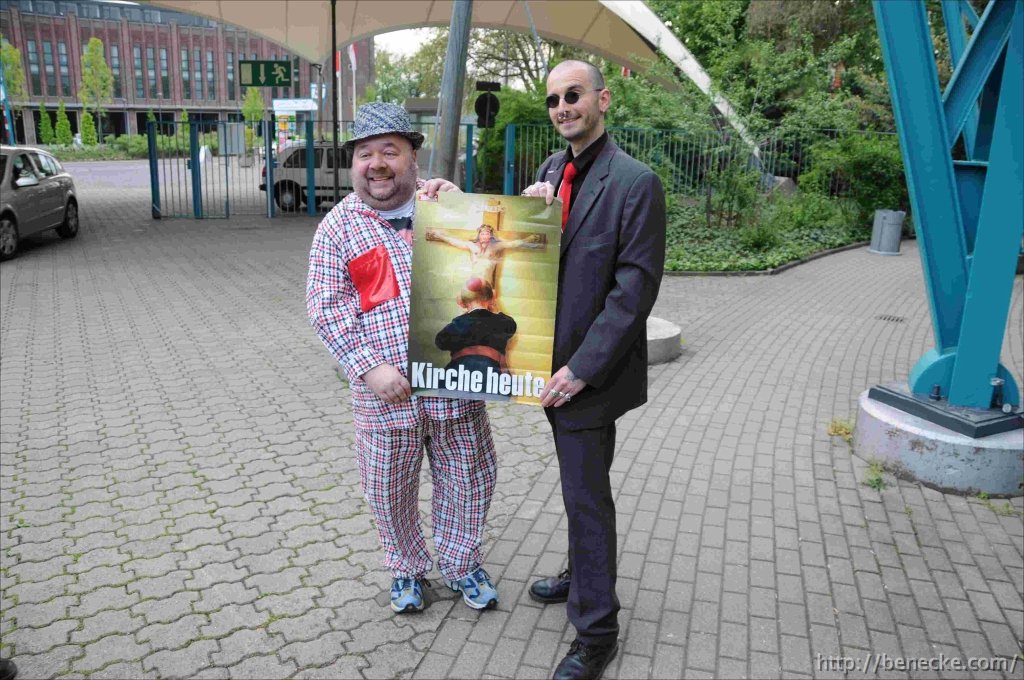
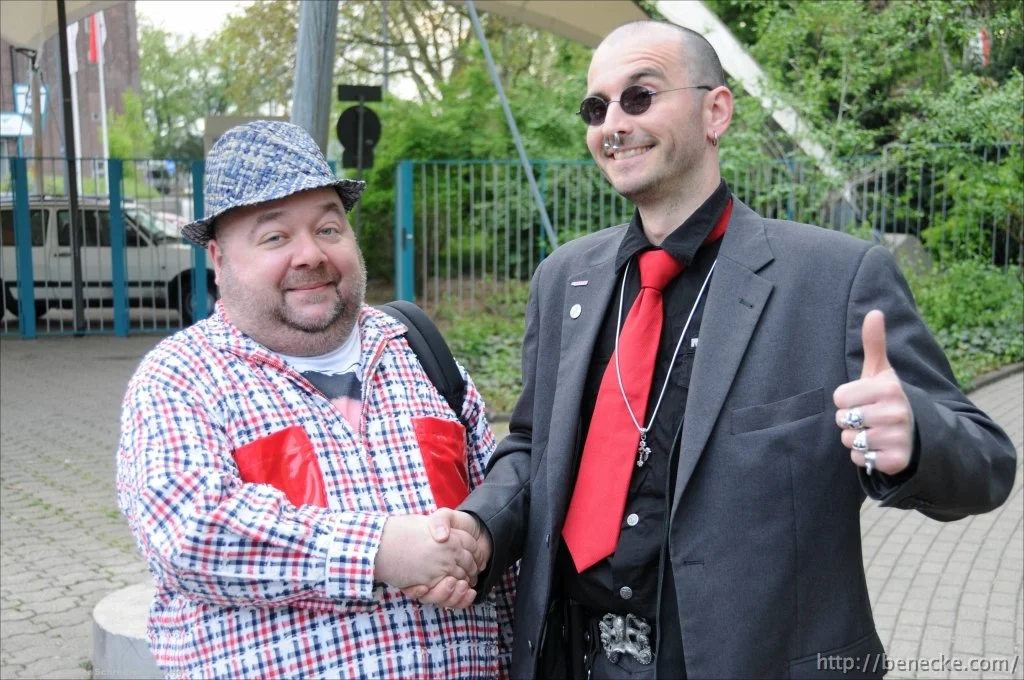
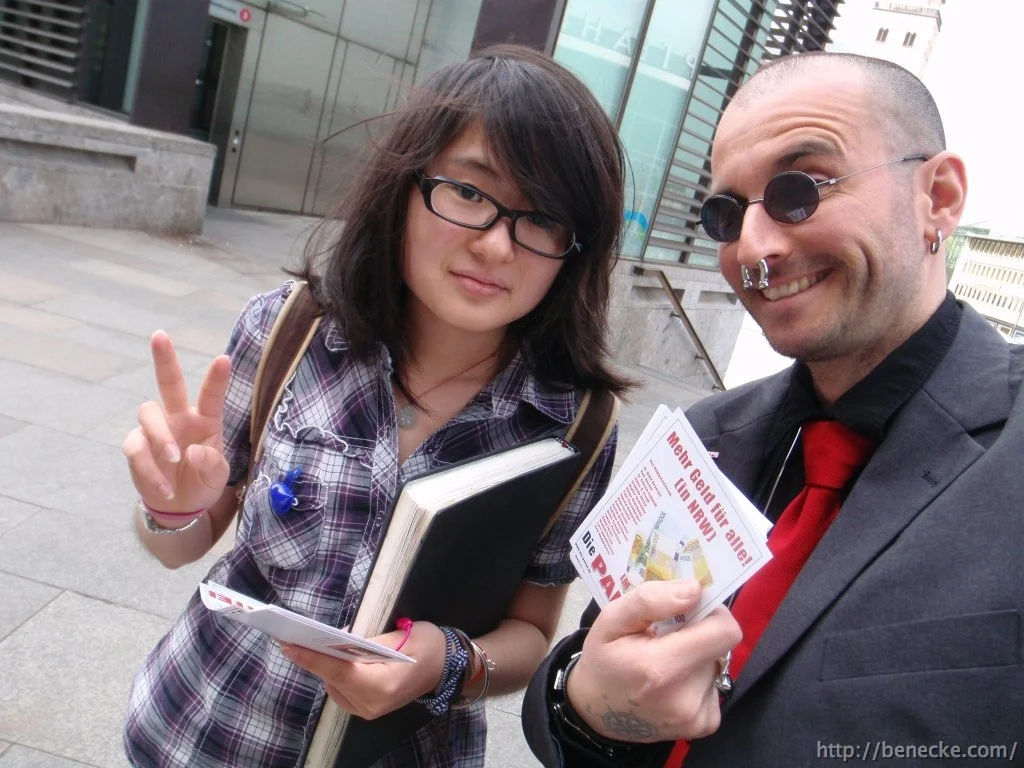
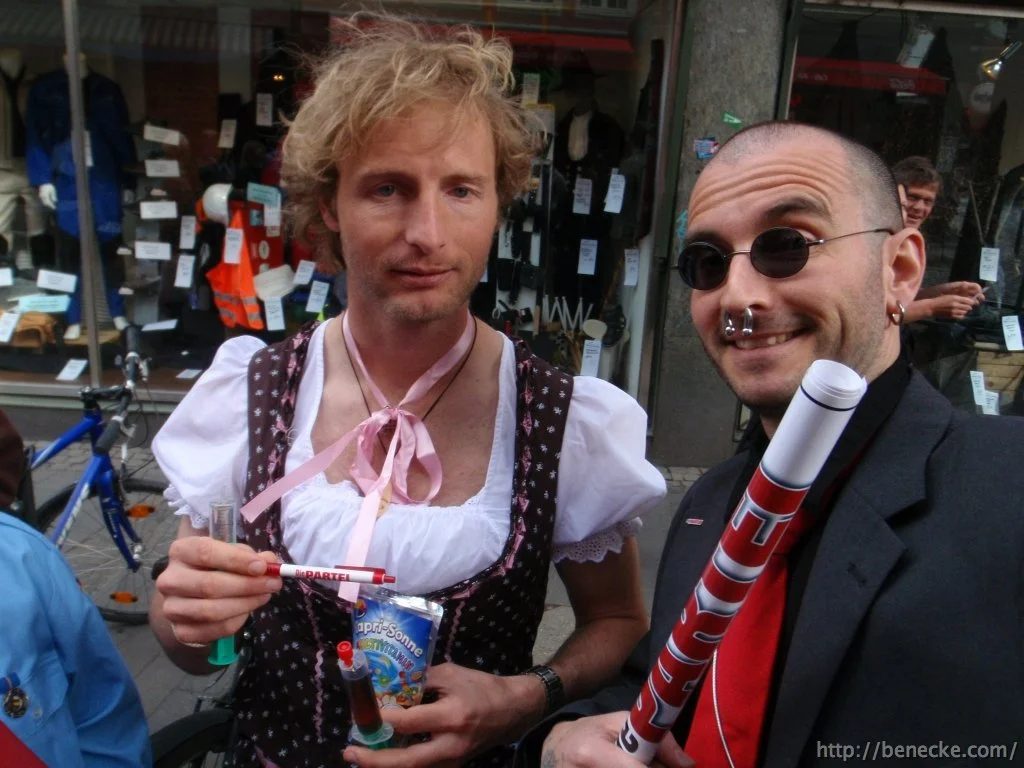
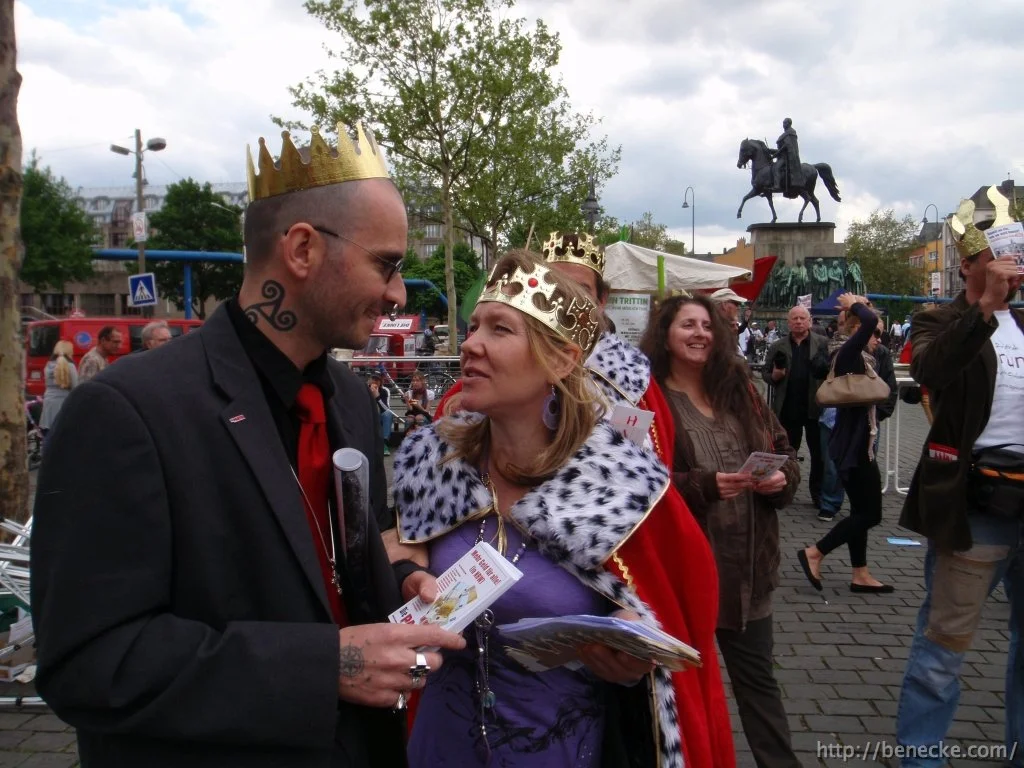
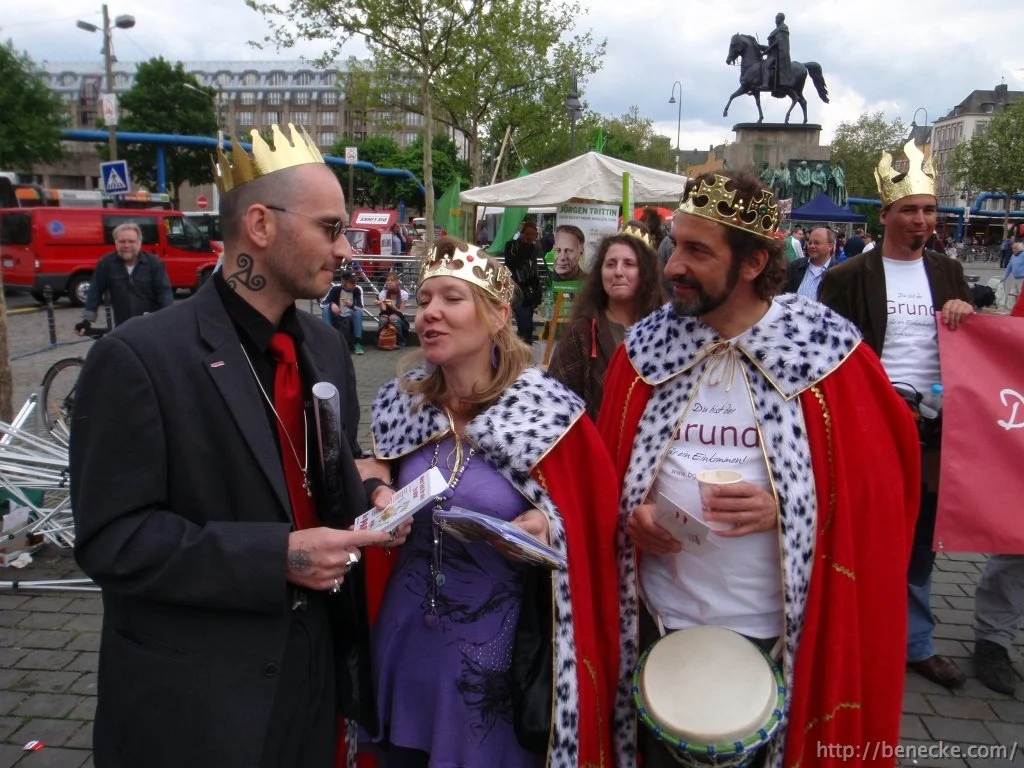
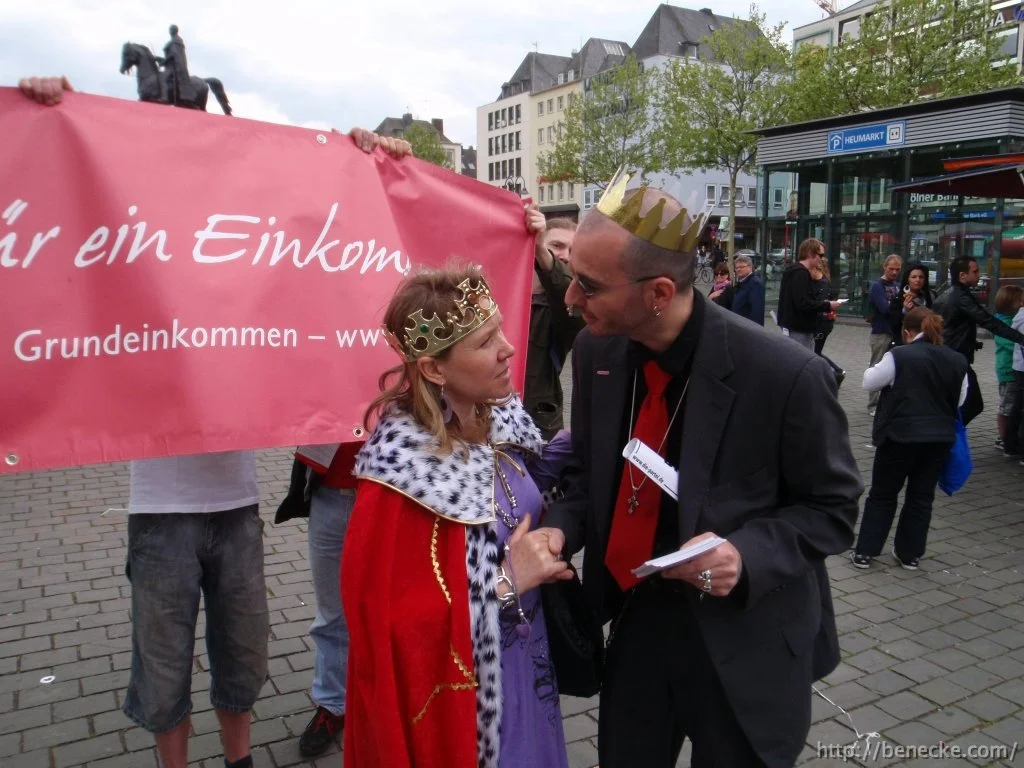
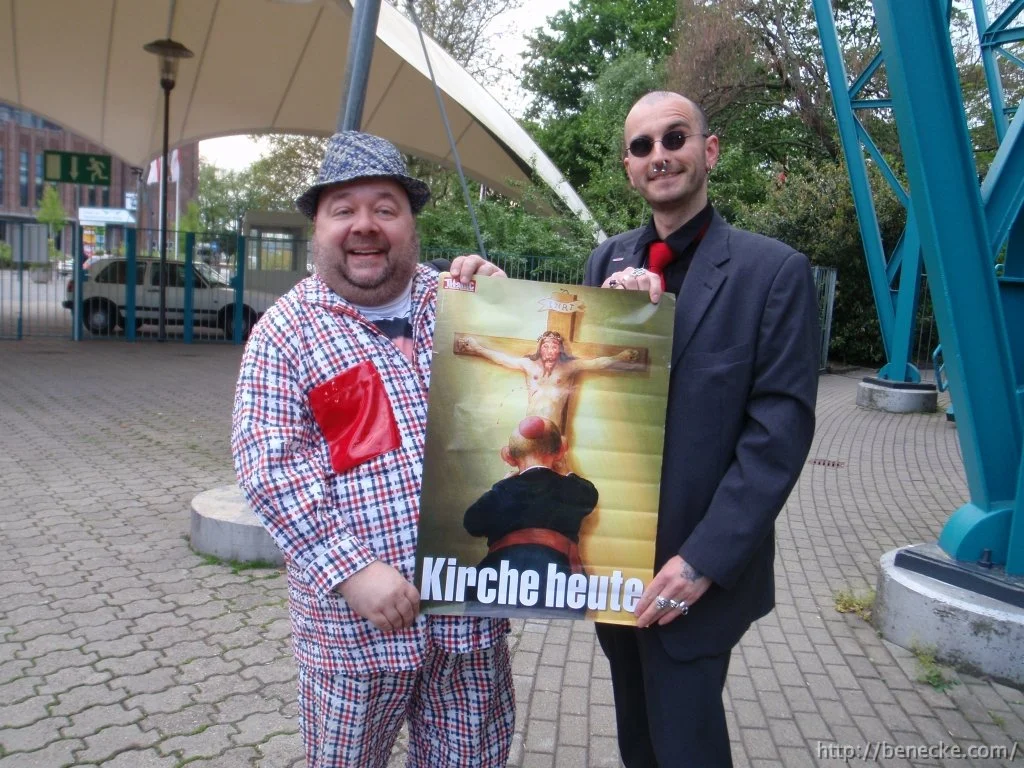
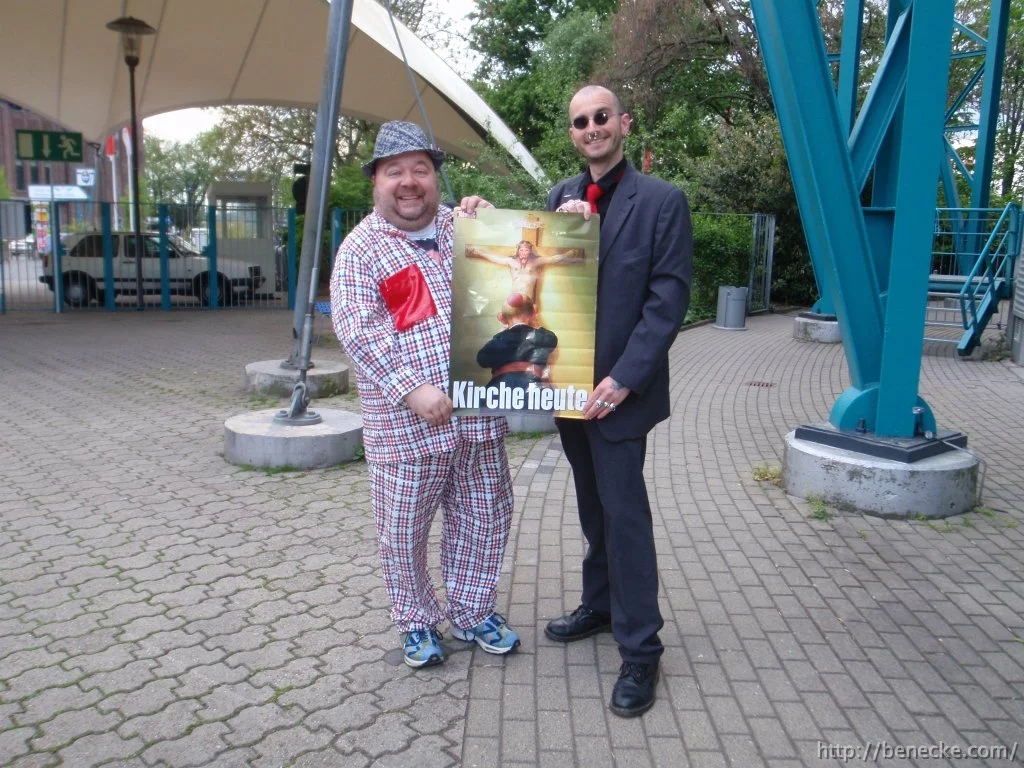
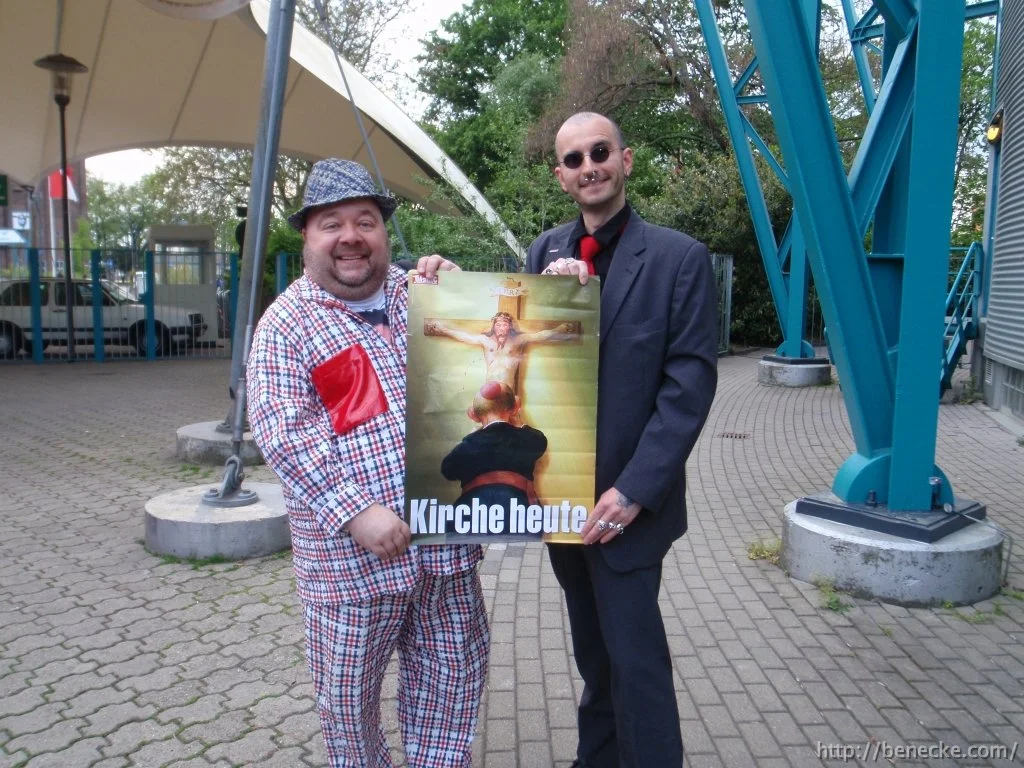
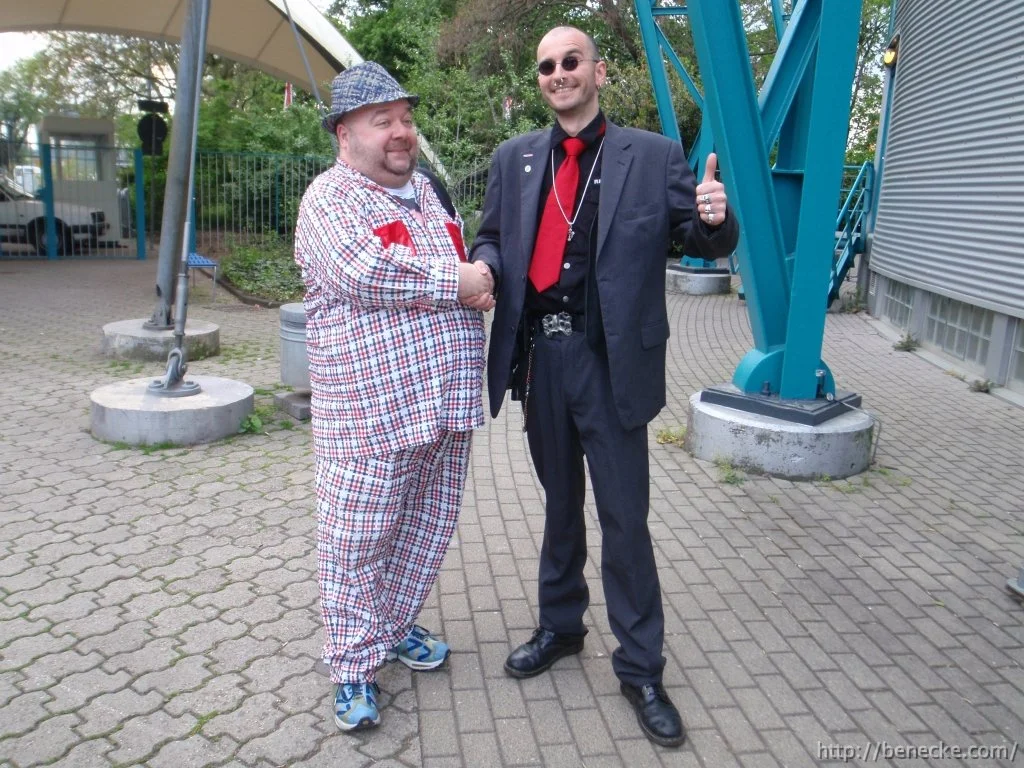
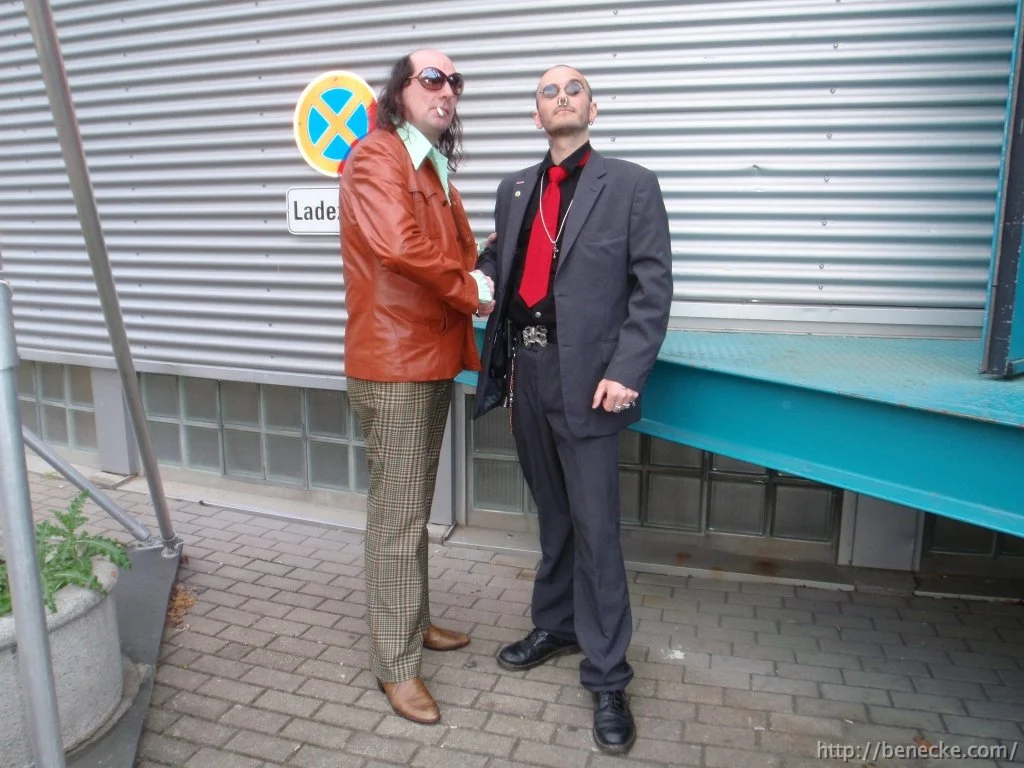
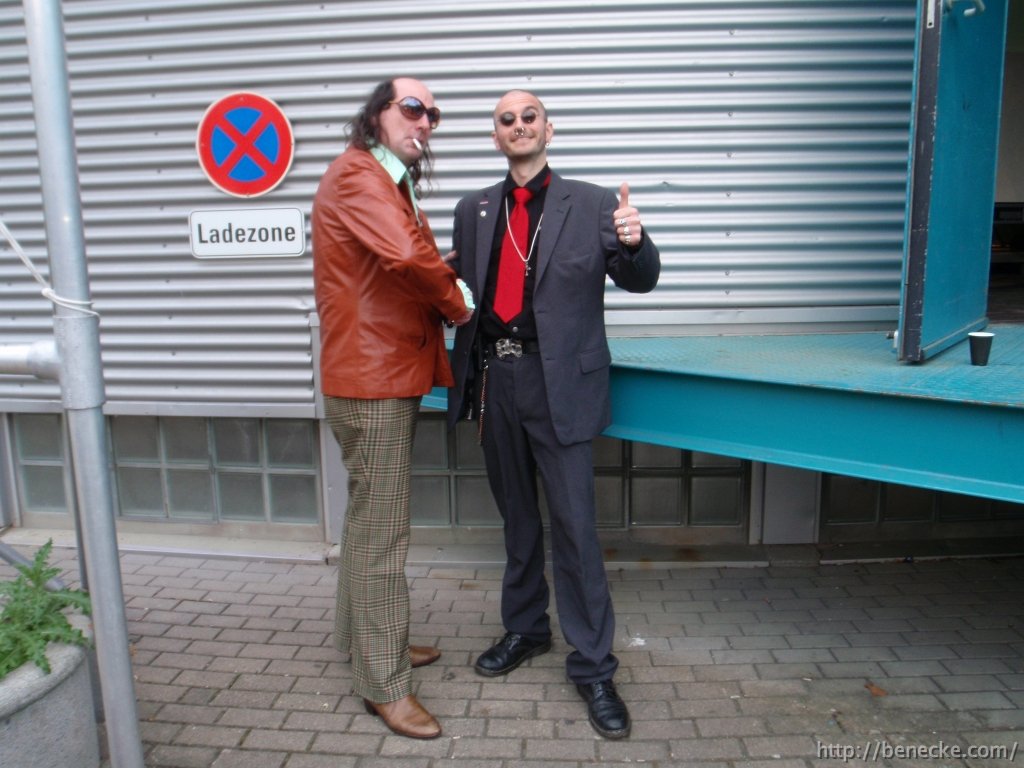
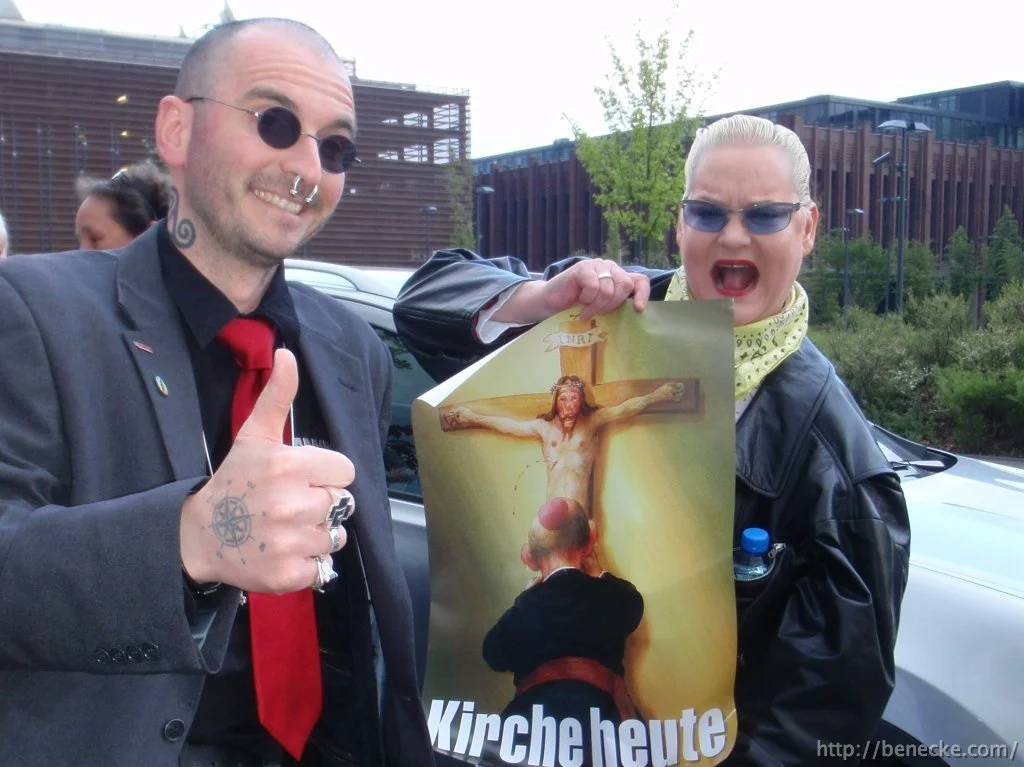
PARTEI-Kampf-Tag 1. Mai in Köln: Kirche, Koks und Kokolores
mit Hella von Sinnen, Dirk Bach, Guildo Horn, der katholischen Kirche sowie Geschwadern aus Bottrop, Hessen und anderswo (2010)
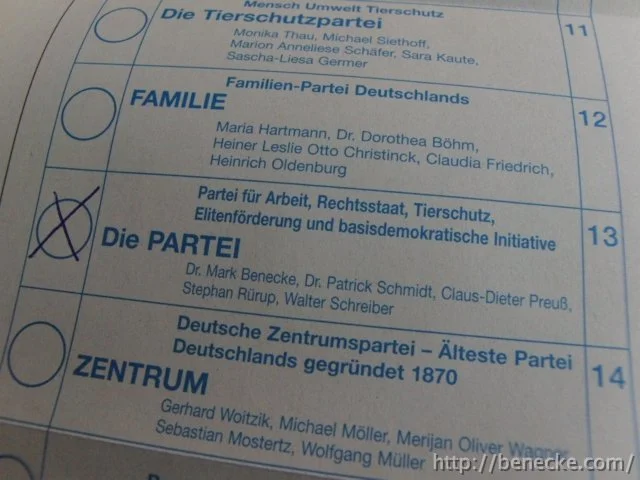
Edle Bilder von Walter Schreiber (PARTEIfunktionär), Robin Hoffmann und Mark Benecke (Ministerpräsident der Herzen NRW)
Danke an alle! Immer, wenn man denkt, dass es nicht noch bizarrer und lustiger geht...dann gehts doch. DANKE!
BERICHT VON DER FRONT DURCH EMBEDDED JOURNALIST, INTEGRATIONSMINISTER UND PARTEI-GÄNGER ANTHER
Werte PARTEI-Genossen,
bevor die von Mark versprochene Bilderflut unserer gestrigen Aktivitäten über uns herein bricht, vorab schon mal ein kurzer Bericht.
Zur Begrüßung waren am Hauptbahnhof Köln mehrere Mitarbeiter eines SEKs erschienen. Waren allerdings wohl in geheimer Mission, da sie Mark und mir den Handschlag verweigerten, unsere Flyer noch nicht mal berühren und erst recht nicht sagen durften, woher sie seien.
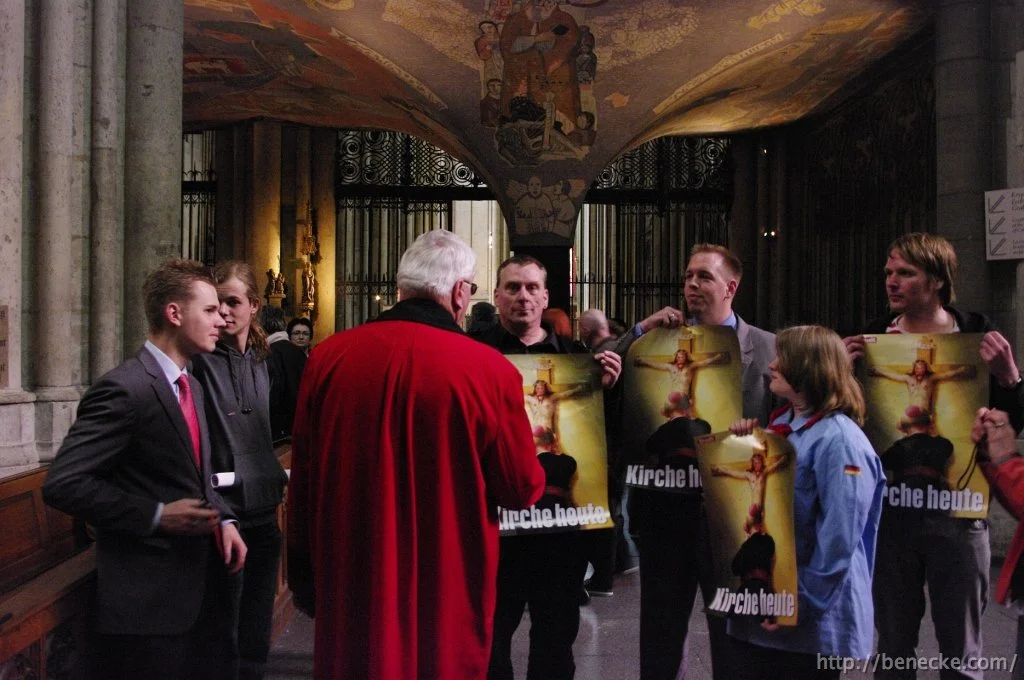
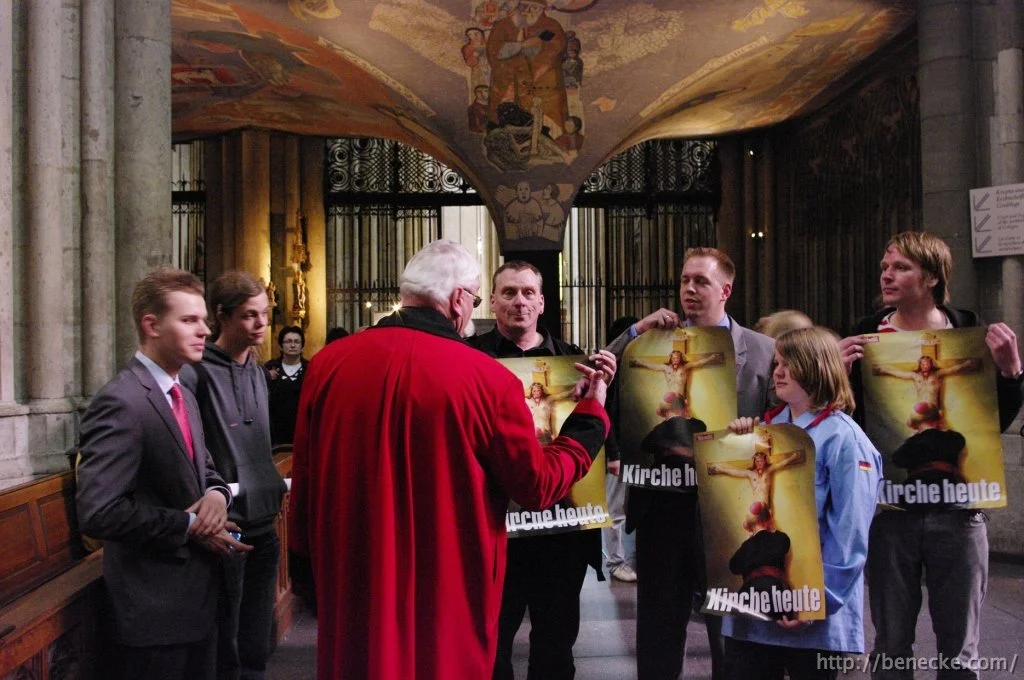
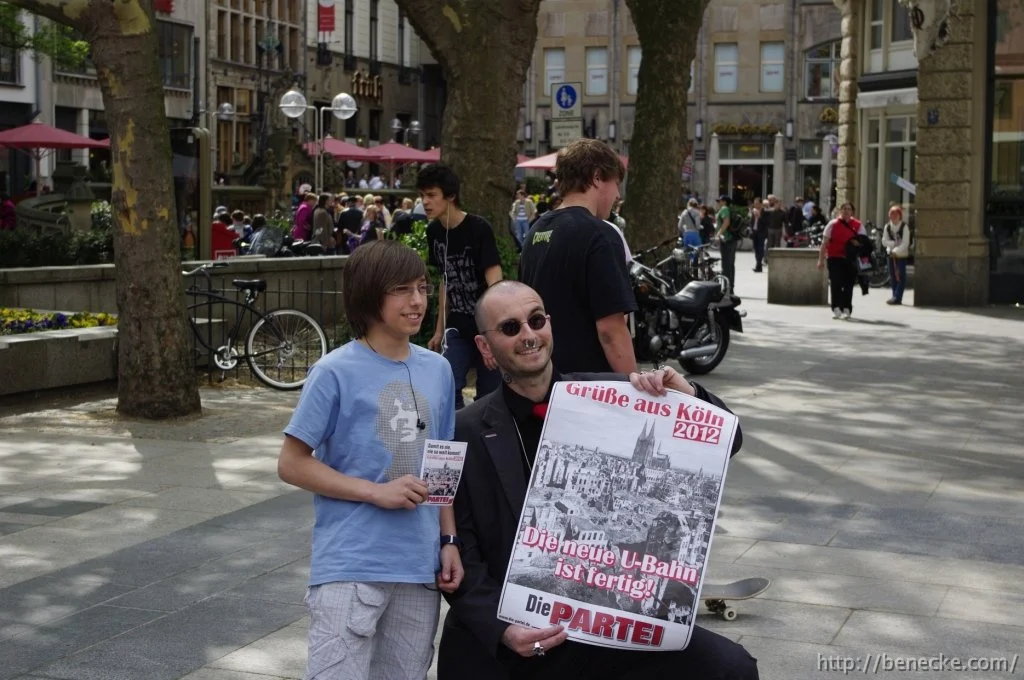
Mit Köln 2012 - Plakaten bildeten die anwesenden Genossen von PARTEI und HINTNER-JUGEND eine ansehnliche Formation auf den Treppen zum Dom. Hierbei erfolgte die erste Aufführung des PARTEI-Liedes. Im Anschluss wurde diverses Propaganda- und Agitationsmaterial unter die nationalen und internationalen Kölner und Besucher gebracht.
Nach Eintreffen des 'Kirche heute'-Materials posierte die Gruppe mit den Titanic-Postern und gab ein zweites mal das PARTEI-Lied zum Besten. Eine kleine Abordnung betrat mit gut sichtbar getragenen 'Kirche von Heute' - Postern den Dom. Nach ca. 5 Minuten stillen stehenden Protestes schritten wir durch den Dom bis zum Altar, wo wir wiederum 5 Minuten verharrten. Ein Blitzlichtgewitter brach über uns herein, viele grinsend zustimmende Gesichter, ganz selten: Empörung. Wir setzten uns wieder in Bewegung, erst im Seitenflügel forderte uns einer der DomSchweitzer (das sind die Bullen des Domes) dazu auf, unsere Plakate 'einzuklappen'.
Wir lehnten das ab, weil ja dann keiner mehr diese Plakate sehen könnte. Der Dom-Schweitzer forderte uns auf, den Dom zu verlassen und drohte an, die Polizei zu rufen. Unsere Antwort: "Das sind genau die Bilder, die wir wollen..." hinterließ einen ratlosen Domwächter. Ungestört konnten wir unsere Aktion fortsetzen und unbehelligt den Dom verlassen. Ein anwesendes mexikanisches Fernsehteam machte noch eine Aufnahme vom Schattenintegrationsminister mit Plakat vor dem Dom. Sender und Termin der Ausstrahlung konnten wir nicht ermitteln.
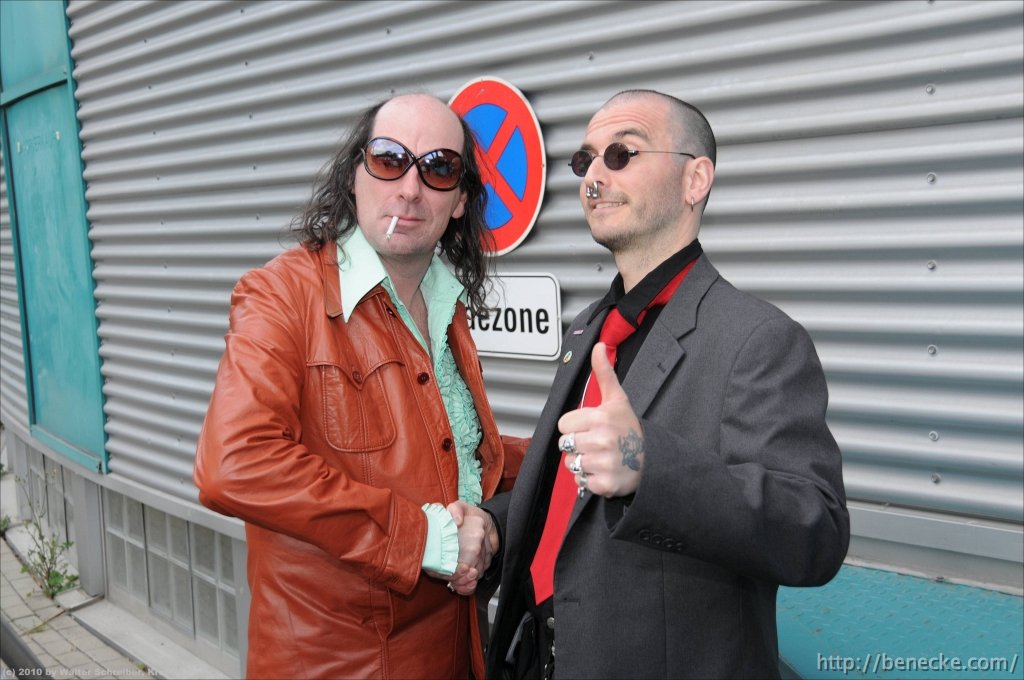
Ortswechsel: Auf dem Weg zum Heumarkt, lief uns auf der Domplatte eine kleine iranische Delegation in Landes-Oufit und mit Fahne über den Weg. Wir nutzten die Gelegenheit zu ersten Konsultationen, der Schattenintegrationsminister lud den iranischen Delegierten offiziell zur Amts-Inauguration nach den Wahlen ein (der besiegelnde Handschlag wurde fotografisch festgehalten).
Auf dem Heumarkt gaben wir zum dritten Mal unser PARTEI-Lied zum Besten. Danach erfolgt unsere Propaganda-Attacke, die sehr erfolgreich verlief: das Informationsmaterial wurde uns quasi aus der Hand gerissen. Es kam zu spontanen Koalitionen, die im Wesentlichen fotografisch festgehalten wurden.
Nach einer mehr als verdienten Stärkungspause begaben wir uns am frühen Abend zu einer Veranstaltung auf der Schäl Sick (für alle Nichtkölner: das ist alles rechtsrheinische). Am Theater des Kölner Tanzbrunnens wurde uns die Unterstützung von Dirk Bach, Hella von Sinnen und Guildo Horn zuteil.
Alles in Allem: eine gelungene AGIT- und PROPAGANDA-AKTION! Weiter so! "Keine Atempause - Geschichte wird gemacht"
Mit PARTEI-lichen Grüßen
Günther Jansen
Schattenintegrationsminister
Parteimitglied 7170
Time is up (Frühjahr 2026): Neue Umwelt-Messungen
TIME IS UP: Die neuesten Messungen zu Hitze, Fluten & Arten-Sterben. Mark Benecke fackelt nicht lange und zeigt uns knallhart, dass wir die ökologischen Deadlines unserer Erde nicht nur erreicht, sondern bereits krachend überschritten haben. Schluss mit Ausreden und Verdrängung: Der „Herr der Maden“ macht klar, dass wir den Planeten nur noch retten können, wenn wir radikal umdenken. 📍18. Januar 2026, Kino Museum Tübingen 🕖 19:30 Uhr 👉 Komm vorbei, bring Freund:innen mit! Tickets hier → https://tuebinger-kinos.de/.../live-vortrag-time-is-up.../ «
Foto: Beat Mumenthaler
Dr. Mark Benecke & Klimaliste Baden-Württemberg
Gleichgültigkeit trifft Wahn: "Serienmörder haben das Gefühl für ihre Umgebung verloren"
Quelle: ntv.de, 20.Dez. 2025, 17:35 Uhr
Von Anna Kriller
Seit mehr als 20 Jahren ist der Kölner Kriminalbiologe Mark Benecke in wissenschaftlichen Forensik aktiv. (Foto: Benecke.Com)
Foto: Mark Benecke
Serienmörderinnen und Serienmörder schockieren mit ihren grausamen Taten und fesseln gleichzeitig die Öffentlichkeit. Doch was verbindet Täter wie Ted Bundy, Charles Manson und Jeffrey Dahmer? Kriminalbiologe Mark Benecke über die Psyche von Serienkillern.
Sie jagen, foltern, vergewaltigen und töten ihre Opfer, essen sie teilweise sogar - und das reihenweise: Serienmörderinnen und Serienmörder faszinieren, und das nicht erst, seit True-Crime-Podcasts die Spotify-Charts anführen und Netflix Dokuserien aus den Horrortaten von Ted Bundy oder Jeffrey Dahmer macht.
Wie sehr die schockierenden Fälle rund um Serienmorde der vergangenen Jahrzehnte Menschen weiterhin in ihren Bann ziehen, zeigt die wegen hoher Nachfrage kürzlich verlängerte Ausstellung "Serial Killer" in Berlin. Hier erhalten Besucher seltene, wissenschaftlich fundierte Einblicke in die Arbeit internationaler Ermittlungsbehörden sowie psychologische Hintergründe zu den Täterinnen und Tätern. Kuratiert wurde die Ausstellung unter der Leitung von Forensiker und Kriminalist Dr. Mark Benecke. Sein Ziel: die Mechanismen hinter schweren Gewaltverbrechen zu ergründen, denn: "Wenn wir Serienmorden vorbeugen wollen, müssen wir die Täterinnen und Täter verstehen".
Blickt man beispielsweise auf die Serienmörder Jürgen Bartsch, Charles Manson und Ted Bundy, scheint es — abgesehen vom schlussendlichen Tod ihrer Opfer — keine allzu großen Gemeinsamkeiten hinsichtlich ihres Vorgehens und ihrer Motivation zu geben: Während der deutsche "Kirmesmörder" Jürgen Bartsch in den 1960er Jahren vier Jungen missbrauchte und sie anschließend tötete, gab der Sektenführer Charles Manson im Sommer 1969 offenbar lieber Morde bei seinen Anhängern in Auftrag. Der charismatische Serienmörder Ted Bundy täuschte sein Umfeld jahrelang und konnte so zwischen 1974 und 1978 mindestens 30 junge Frauen in mehreren US-Bundesstaaten ermorden.
Was also verbindet sogenannte "Serienmörder", abgesehen von dem Begriff selbst? "Serienmörderinnen und Serienmörder haben das 'gute Gefühl' für ihre Umgebung verloren", sagt Mark Benecke im Vorwort zur "Serial Killer"-Ausstellung. "Sie sind einsam, jedoch nie verrückt. Sie können klar und ehrlich sein in dem, was sie zu wollen glauben - zu sich und zu anderen. Doch sich unsozial ausprägende Persönlichkeitsstörungen plus Geradlinigkeit: Das ist eine fiese Mischung."
Dass es überhaupt zu diesem Verlust des Gefühls für die Umgebung kommen könne, sei bereits im Gehirn von Serienmörderinnen und Serienmördern angelegt, erklärt Benecke im Interview mit ntv.de. "Da sie nicht den Schutz einer liebevollen Umgebung als Kind erfahren, 'blüht' ihre unsoziale Persönlichkeit vollends auf: Sie denken nur an sich, fühlen nur für sich. Andere sind bloß 'für sie' auf dieser Welt. Da die Täterinnen und Täter bindungsgestört sind, wird es nicht besser: Sie erleben keine schönen Momente gemeinsam mit anderen, sondern nur mit Opfern."
In seinem Vorwort zur "Serial Killer"-Ausstellung nennt Benecke dazu ein Beispiel: "Wie sehr die Täter mehr als alles andere beziehungsgestört sind, zeigt sich am deutschen Jungenmörder Jürgen Bartsch. Er hatte Kerzen nicht etwa stets im Gepäck, um seine Opfer zu foltern. Nein, Bartsch wollte seinen Opfern ein Lichtlein in der Dunkelheit gegen ihre kindliche Todesangst geben. Bei den Befragungen wollte Bartsch zunächst nicht zuzugeben, seine toten Opfer geküsst zu haben oder gar nekrophil zu sein, bis die Bindungsstörung ungewollt aus ihm herausplatzte: Er hatte sich sehr wohl an den Leichen der von ihm zu Tode gefolterten Kinder zu schaffen gemacht, aber nur, weil diese Art der schlimmst möglichen Bindung für ihn so unendlich angenehm war. Er wollte den für ihn schönen, befreienden und beruhigenden Moment genießen."
Der Grundstein für die gestörte Persönlichkeit von Serienmörderinnen und Serienmördern werde bereits früh gelegt. "Alles im Gehirn verändert und entwickelt sich in der Kindheit und Jugend, auch durch die Umgebung: Die Nerven werden beim Wachstum je nach Erbgut und Erfahrungen mit der Umwelt 'verdrahtet'", sagt Benecke.
Die für Serienmörderinnen und Serienmörder typischen selbstbezogenen und unsozialen Persönlichkeitsmerkmale seien also von Anfang an da, können aber auch durch gute Erfahrungen abgeschwächt werden. Es gebe laut dem Kriminalisten zum Beispiel auch Berufe, in denen Menschen mit diesen Merkmalen arbeiten können, "etwa als knallharter Boss in einem durch und durch gruseligen Arbeitsfeld".
Das passt auch zum Unrechtsbewusstsein von Serienmörderinnen und Serienmördern. Sie haben es Benecke zufolge zwar, es sei ihnen aber völlig egal. "Unrecht gegen andere wirkt nicht unangenehm auf sie, es hält sie nicht vom Lügen, Töten, Brandschatzen oder Foltern ab." In Gesprächsaufzeichnungen etwa mit Ed Kemper, Richard Ramirez, Luis Garavito oder Jeffrey Dahmer lasse sich dies gut erkennen. "Die Täter reden darin ganz ehrlich, solange sie möchten, und beschreiben sachlich, wahr und manchmal sogar mit einem gewissen Staunen, was sie so alles 'geschafft' haben." Unaussprechliche Handlungen werden dabei fast alltäglich und selbstverständlich geschildert. "Das ist vermutlich auch der Hauptgrund, warum sie so gehasst werden.
Dieser Hass dürfte den meisten Serienmörderinnen und Serienmördern allerdings völlig egal sein. Etwas, das diese laut Benecke nämlich ebenfalls gemeinsam haben, sei zum einen "eine vollkommene Gleichgültigkeit gegenüber dem, was ihre Opfer fühlen und wünschen". Und zum anderen - und da wird ihnen die Faszination der Öffentlichkeit vermutlich gut gefallen — "glühender Größenwahn".
Die Aussagekraft fehlender biologischer Spuren
Quelle: Kriminalistik, 12/2025, Seiten 670 bis 676
Kristina Baumjohann & Mark Benecke
Der Artikel kann hier in einem Jahr vollständig gelesen werden. Bis dahin liegen die Rechte beim Herausgeber.
Verringerte Anzahl von Veranstaltungen
Guten Tag, ahoi und hallo —
wegen der krassen, ständigen, täglichen, unplanbaren Verspätungen und Zug-Ausfälle bei Bahnen und Bussen haben ich die Anzahl der Veranstaltungs-Termine stark (auf ungefähr ein Drittel) verringert.
Daher kann ich deine Veranstaltung derzeit nicht berücksichtigen.
Es tut mir wirklich leid. Ganz ernst gemeint, ohne Zuckerguss.
Die Deutsche Bahn meldet, dass die derzeitigen Schwierigkeiten bis 2070 gelöst sein sollen; hoffen wir, dass es nicht so viele Jahrzehnte dauert.
Sehr herzlich und alles Gute und danke für dein Interesse ✨ —
Mark
Clues of violence in human tissue: death of a homeless man
Source: Rom J Leg Med (2025) 33: 183–189; DOI: 10.4323/rjlm.2025.183
By Kristina Baumjohann, Mark Benecke
Abstract: A homeless man died during an attack by two other men due to three fatal chest stab wounds. The single and double-edged knives resp. their blade lengths did not correspond to the stitch channel depths. These channels had both pointed and blunt wound angles.
We were commissioned to investigate whether the dimensions of a stabbing channel allow conclusions to be drawn about the dimensions of the tool causing the stabbing and whether conclusions can be drawn about the number of cutting edges of the stabbing tool on the basis of a stitch channel. We carried out our investigations on the basis of a detailed summary of the known sources.
Keywords: stab wound, forensic biology, knives, wound angles.
CASE DESCRIPTION
According to police reports, two men attacked a homeless man, each with a knife. As a result, the victim suffered several stab wounds to his body; three chest stab wounds were fatal for him.
During a police search of the apartment, the murder knives were found in the kitchen sink of one of the attackers. The men’s legal representation asked us whether these knives could have caused the wounds to the victim, as the blade lengths of the knives did not appear to correspond to the stab insertions depths (Table 1), and the chest insertions had pointed and blunted wound angles. This would serve to classify the forensic findings. As we also work forensically with bloodstains, we agreed to provide an expert opinion [1-3].
The knives, described in the file as daggers, were described as follows:
- Dagger 1: 9.5 cm inside length, handle length 8 cm, blade sharpened on both sides (double-edged)
- Dagger 2: 9.5 cm inside length, handle length 8 cm, serrated blade and back of the knife (single-edged).
No information on the width of the knife blades was found in the files, but a blade width of approx. 1.2 cm could be estimated from blurred photos (Fig. 1). In the following report, we refer to the terms “length”, “width” and “depth” of a stab wound as shown in Fig. 2. For example, the length of a stab wound should not be confused with the depth of the insertion but refers to the length of the incision wound on the surface of the skin or organ.
We should check here in the sense of inclusion/exclusion of the knives found whether: a. the dimensions of a stab insertion allow conclusions to be drawn about the dimensions of the implement that caused it and b. the number of cuts made by the instrument can be deduced from a stab insertion.
As there was no other option for the client to get advice and it was a classic criminal investigation topic, we agreed to work on it.
Definitions of terms and information
Stab wound
In the case of a stab wound, a stab insertion is created by cutting through the tissue with a pointed or tapered implement that is mainly guided vertically to the surface of the body [6].
Cutting injury
In the case of a cutting injury, sharp longitudinal tissue cuts are created where an implement is guided parallel and/or tangential to the surface of the body [6].
Cleavage lines/Langer’s lines
Langer’s cleavage lines were described in 1861 by the Austrian anatomist Karl Langer with reference to an observation by the physician Guillaume Dupuytren; they are therefore also known as Langer’s lines. They correspond to the natural alignment of the collagen fibers (elastic fibers) of the dermis (dermis, located directly under the epidermis) [7]. Their arrangement in individual skin areas varies; they run in the direction of the least elasticity of the skin (Fig. 3).
The shape of the stabbing implement in the skin/organ created at the moment of impact can be changed by skin tension and the direction of the cleavage lines (Fig. 4). Injuries in the direction of the cleavage lines are less gaping, as the skin is stabbed in parallel to the elastic fibers. If these fibers are cut crosswise, however, a gaping wound occurs [6]. A gaping, slit-shaped skin incision can also be caused by a circular stabbing implement owing to the dependence of the wound shape on the position of the incision in relation to the cleavage lines [5, 7].
Byard et al. (2005) describe two cases in this regard [10]: In case 1, owing to the rectangular shape of the wound, a rectangular or square tool is initially assumed to be the cause of the wounds (Fig. 5). As the skin tension ceased after death, the stab wounds changed during the autopsy and resembled “typical” knife wounds (Fig. 5). In case 2, circular defects turn into slit-like defects due to skin tension (Fig. 6).
Triangular and square objects, on the other hand, tend to leave characteristic, i.e. triangular or square, wounds (Figs. 7, 8) [7].
Reconstructions and classifications to objects
The classification of an implement used to cause an injury is difficult and sometimes not clearly feasible. It is therefore wrong to assume that stabbing implements without a cutting or sharp edge leave cross-sectional wound openings on the skin or organs. Circular tools, for example, do not necessarily leave circular injury patterns: A circular instrument can leave a slit-shaped opening in the skin that is initially indistinguishable from a knife wound (compare cases of [10]). The shape, length and width of the skin slit are based on the cleavability of the skin cut and thus on the alignment of the Langer’s lines (see also Figs. 3, 4) [9].
Reconstruction of the implement’s shape based on the wound
Wound angles are often characteristically shaped (Fig. 9): Single-edged, incisal wound angles are pointed. Knives with a rounded, angular or V-shaped back often leave a bifurcated (forked) wound angle (Figs. 7, 8, 10) [5].
However, this kind of bifurcated wound angle on the side of the implement’s cutting edge can also be caused by an (even slight) change in the blade axis during insertion, as the knife has changed its position as it is removed. This means that in these cases it is no longer possible to deduce the shape of the instrument from the stab wound or the angle of the wound [5, 6] (Figs. 10, 11). If a knife is used to make several piercings one after another, the same knife may leave first a stab and then a cut in the skin. The overall appearance of the wound can vary and depends on the course of the Langer’s lines.
Sometimes it is even difficult to tell whether the stab wounds were suicidal or caused by another person [14]. The shape of a stab wound may allow conclusions to be drawn as to whether the knife had one or two cutting edges (Fig. 12). However, if this cannot be clearly determined from the stab insertion and the injury, this does not mean that the knife was not double-edged or single-edged [7].
Single-edged knives with sharp back edges that are not cutting edges can cause wounds that are indistinguishable from wounds caused by multi-edged stabbing implements [9].
A wide knife back leaves a square or blunt wound angle due to its wider “cutting” side and an acute angle through the actual cutting side (Figs. 8, 13). The wide wound angle can tear open in a jagged manner with a very wide knife back. In this kind of case, it is difficult to draw conclusions from the shape of the injury as to the shape of the blade or the stabbing implement (Figs. 10, 14) [7].
If the instrument is rotated or pulled out on a different axis after piercing, it becomes even more difficult to draw conclusions about the shape of the implement; the edges of the wound may be serrated, triangular or wing-like in shape, etc. [7] (Fig. 11). As a rule, knives with a serrated edge or a forked tip rarely leave a clearly identifiable wound shape on the skin. If the insertion line runs along a bone, for example, this can result in conspicuous scratch-like abrasions arranged next to each other with similar spacing [5]. This is illustrated in Fig. 15: Here the knife edge was guided parallel to a rib so that the edge of the knife grazed the rib and the wavy pattern of the knife edge was reproduced on the rib and also in the tissue. The exact shape of the wound angle can often only be determined during the autopsy when the existing skin tension is relieved and joined together by pushing it together [5].
Reconstruction of the blade width based on the length of the incision
The measured length of the incision on the skin or organ surface does not necessarily indicate the width of the knife blade (Fig. 16). The reason for this is that the angle of entry can be diagonally different to the position of the cleavage lines (see above). With fixed knives, for example, the stab wound (the skin incision) is usually longer, but can occasionally appear narrower [9] (Fig. 12).
If the skin is additionally cut when the knife is pulled out of the wound – for example by movements of a body/the bodies and/or the blade during the act of crime – the stab wound is longer than the width of the blade; more precise information can be obtained from the three-dimensional (!) shape of the incision channel (Fig. 2) [6].
If the insertion implement is rotated during the stabbing, this can reduce the length of the incision opening. It can be dovetail-shaped, triangle-shaped, banana- or boomerang-shaped, polygonal, etc, (Figs. 10, 11). These shapes can arise when a horizontal movement sequence is added to a vertical one (Fig. 12) [5].
A tapered blade has different widths between the tip and the handle (Fig 17). If the entire length of the knife is not inserted into the body, the length of the incision channel will not correspond to the maximum width of the knife (Fig. 16) [5].
Reconstruction of the blade length based on the length of the stab insertion
The longitudinal axis of a stab wound is often not straight, owing to the movements usually carried out during the execution of the crime. The blade can sever tissue fibers of adjacent muscle groups in a contracted state: The tissue gapes apart. During the autopsy, however, the formerly contracted fibers are relaxed; the wound channel is interrupted by intact tissue layers or is interrupted in its longitudinal axis [5].
The ability of the skin to return (so-called retractability) to its normal state of tension (= resting state) must also be taken into account: If a knife is pulled out of a wound, the stab insertion can be a few millimeters shorter than the knife blade. The retraction is again dependent on the position of the incision in relation to the Langer’s lines and the elasticity of the tissue.
If the victim is stabbed with great force, the stab insertion can be longer than the length of the blade of the instrument used to commit the crime, as the tissue is pressed in and deformed by the forceful and rapid stabbing [5, 6, 8] (Fig. 18). This applies in particular to stabs in the abdominal area [5, 7]. It must also be taken into account that the knife is not always pushed in all the way to the handle [5, 7]. In this case, the stab insertion appears shortened compared to the examined blade.
The stab insertion can also appear angled if the muscles and connective tissue shift during the stabbing; sometimes the end of the stab insertion can no longer be determined [7].
Since stab insertions are measured during autopsy on bodies in a straight, stretched, relaxed and motionless position, they may not be comparable to the body position during a crime. However, statements about the course of the stabbing in soft tissue (from top to bottom, from bottom to top, etc.) depend on the posture of the victim and perpetrator at the time of the stabbing [7]. Stabs from top to bottom are often found mainly on the head, shoulders, upper body or thighs; stabs from bottom to top, on the other hand, are found in the abdominal and groin region [5].
CONCLUSION
Can conclusions be drawn about the dimensions of a dagger from the dimensions of a stab insertion?
It is sometimes possible to deduce the number of blades (here: sharpened on one or both sides) of a knife from the shape of the stab wound. However, if the stab insertion and injuries are not sufficiently distinct, it is not possible to determine whether the knife was double-edged or single-edged. Sometimes there are also three blades [11].
There are many factors that influence the dimensions (length, width, depth) of a stab insertion. These factors include the course of the cleavage lines at the incision site, the shape of the implement, a change in the blade axis during stabbing, movements of the bodies of the victim and/or perpetrator, multiple (stabbing) in one place, the combination of stabbing and cutting during the execution of the stab, the state of tension and relaxation of the skin/tissue while alive and dead, and the ability of the skin to be compressed and relax (ability to retract).
Wounds caused by single-edged knives with sharp back edges (which are not cutting edges) can resemble stabs from multi-edged stabbing implements too closely. It is then impossible to tell which implement with how many blades caused the stab wound.
Conflict of interest
The authors declare that they have no conflict of interest.
References
1. Benecke M, Barksdale L. Distinction of bloodstain patterns from fly artifacts. Forensic Sci Int. 2003;137:152-159.
2. Benecke M, Reibe S, Baumjohann K, Gulinski S, Wetzel W, Schmidt K, Preßler K, Lebküchner I, Streckenbach M. Zur Morphologie langsam beschleunigter Blutauftropfspuren [Morphology of low- velocity impact stains produced from single drops of blood]. Arch Kriminol. 2012;230(1-2):42-54.
3. Benecke M. Sicherung und Auswertung schwieriger Spuren: Blut-Schwitzen (Hämhydrose, Hemhidrosis) [Securing and evaluating difficult traces: blood sweating (hemhydrosis, hemhidrosis)]. Kriminal. 2019;6:364-368.
4. Zimmer G. Prüfungsvorbereitung Rechtsmedizin [Exam preparation in forensic medicine]. 2nd ed. Stuttgart: Georg Thieme Verlag KG; 2009.
5. Eisenmenger W. Spitze, scharfe und halbscharfe Gewalt [Pointed, sharp and semi-sharp force.]. In: Brinkmann B, Madea B, editors. Handbuch gerichtliche Medizin [Handbook of forensic medicine]. Berlin, Heidelberg, New York: Springer; 2004.
6. Madea B. Rechtsmedizin. Befunderhebung, Rekonstruktion, Begutachtung [Assessment, reconstruction, evaluation]. 3rd ed. Berlin, Heidelberg: Springer; 2015.
7. Mueller B. Gerichtliche Medizin [Forensic medicine]. Berlin, Göttingen, Heidelberg: Springer; 1953.
8. Cox HTT. The cleavage lines of the skin. Brit J Surgery 1941;29(114):234-240.
9. Prokop O. Lehrbuch der gerichtlichen Medizin [Manual of forensic medicine]. Berlin: VEB Verlag Volk und Gesundheit; 1960.
10. Byard RW, Gehl A, Tsokos M. Skin tension and cleavage lines (Langer’s lines) causing distortion of ante- and postmortem wound morphology. Int J. Legal Med. 2005;119:226-230.
11. Kiehne K. Das Flammenwerferattentat von Köln-Volkhoven [The flamethrower attack in Cologne-Volkhoven]. Arch Kriminol. 1965;136:61-75.
12. Gall JAM, Boos SC, Payne-James JJ, Culliford EJ. Forensic medicine: color guide. New York: Churchill Livingstone; 2003.
13. Madea B, Dettmeyer B. Basiswissen Rechtsmedizin [Basic knowledge of forensic medicine]. Heidelberg: Springer Medizin; 2007.
14. Neumann M, Grellner W. A complex suicide with over 250 sharp force injuries and falling from height. Leg Med. (Tokyo) 2025;75:102631.
15. Pollak S, Saukko P. Atlas of forensic medicine. CD-ROM. Amsterdam: Elsevier; 2003.